Educational Profile
The Norway rat (Rattus norvegicus) is the larger commensal rodent established in Ontario urban centres. It nests in burrows, sewers, and structures, and its presence is a documented public health concern. We do not service rats. This page explains the biology, the regulatory context, and how to find competent management.
Norway rats are substantially larger than house mice and have a thick, blunt body with relatively small ears and a tail shorter than the body. Droppings are 12 to 19mm long, capsule-shaped with blunt ends, and concentrated near nests, runs, and feeding sites. Active burrows have entrance holes 5 to 8cm in diameter, often with a smooth pad of trampled vegetation at the entrance.
The roof rat (Rattus rattus) is occasionally documented in Ontario port cities but is not established. The Norway rat is the dominant urban rat in Toronto, Hamilton, Ottawa, and most other Ontario centres.
Norway rats are excellent burrowers and prefer to nest in soil, often near food and water. In urban settings they exploit:
Major Ontario cities monitor sewer rat activity through trapping and bait station programs. The Toronto Public Health Rat Response, for example, coordinates inspection and treatment of public spaces and provides guidance for property owners. Rat issues that persist despite individual property control often trace to a neighbourhood-level issue requiring municipal coordination.
Norway rats are competent reservoirs and vectors of multiple human pathogens:
Beyond the pathogen list, rat populations cause documented harm through structural damage (gnawing of wires, plumbing penetrations), allergen exposure, and food spoilage. This is why municipal public health units take rat reports seriously and why most cities have a regulatory framework requiring property owners to control rat infestations on their property.
A reputable Norway rat management program in 2026 typically includes:
Avoid programs that rely solely on rodenticide bait without exclusion. Bait alone reduces population temporarily but does not address the underlying conditions; new rats arrive from the surrounding area as quickly as the population is reduced.
Are rats common in Ontario?
Norway rats are established in all major Ontario cities and most mid-sized urban centres. The density varies by neighbourhood; older neighbourhoods with mature sewer infrastructure, rear-laneway garbage corrals, and multiple food and water sources support higher populations than newer subdivisions.
How do I report rats?
Most Ontario municipalities accept rat reports through their 311 or public health line. Toronto, Hamilton, Ottawa, Mississauga, and most other large municipalities have web forms specifically for rat reports. Reports help municipal coordination and are often the first step in getting public-property issues addressed.
Will my city kill rats on my property?
Most Ontario municipalities provide treatment of public-property rat issues (parks, sewers, public alleyways) but do not treat private property. Private property rat control is the property owner's responsibility, and municipalities may issue work orders requiring action. Hire a licensed structural pest contractor for private property work.
Are rats dangerous?
Rats are documented zoonotic pathogen reservoirs and structural pests. The actual risk of disease transmission to a single person from rat exposure in Ontario is low but real, particularly for leptospirosis (water contact) and salmonellosis (food preparation). The structural damage and allergen exposure from established populations are more consistent issues.
Why does Spider Squad not service rats?
Rat management is structural pest work involving exclusion, trapping, monitoring, and (where appropriate) bait stations. It requires interior building access, exterior burrow inspection, and multi-visit follow-up. Our service model is exterior pest control. We refer rat calls to structural contractors with rodent experience.
Spider Squad - Ontario Pest Control
Same-week availability across Niagara, Hamilton, and Halton. Quotes returned within one business day.
Call 905-938-7498 Request a QuoteFind Your Region
Direct service in Niagara, Hamilton, and Halton. Licensed local operators across 14 more regions.
Premium Protection
Choose the protection barrier your property needs. Simple, professional, and guaranteed.
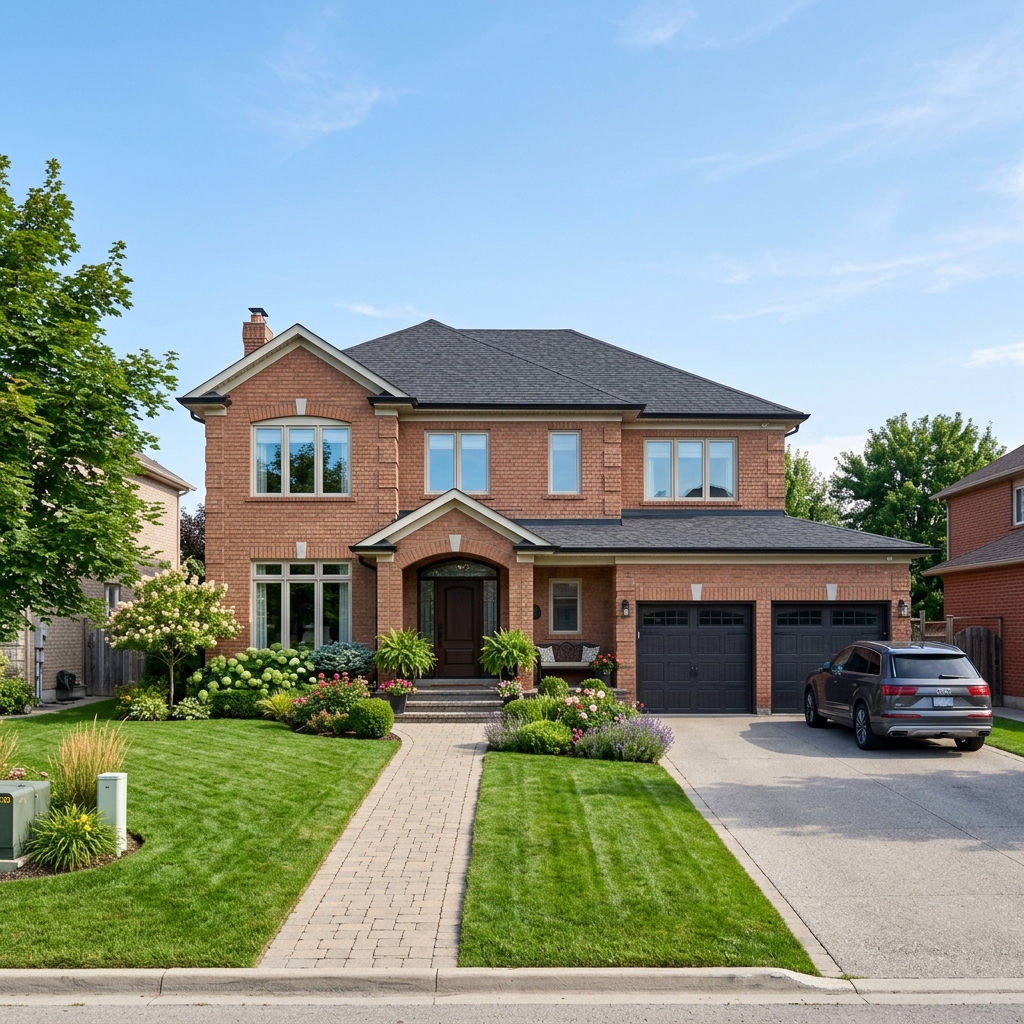
Our flagship exterior structural barrier targets the full perimeter of your home — foundations, soffits, window frames, eaves, and all entry points. Repels and eliminates spiders, ants, and crawling insects before they enter.

A comprehensive yard-level barrier applied to shaded vegetation, ornamental shrubs, deck skirting, and property borders. Reduces adult mosquito and tick populations around your outdoor living space.
SpiderShield™ perimeter barrier
SpiderShield™ creates an invisible exterior barrier that prevents more than just spiders — blocking ants, earwigs, crickets, and other seasonal crawlers from entering your home.
Wherever You Need Us
From the shores of Lake Erie to cottage-country docks — if bugs are a problem, we’re already on the way.
Genuinely Local Exterminators
Spider Squad is a family business — not a franchise, not a call centre. Our team lives in the communities we serve, which means faster scheduling, real accountability, and treatments designed for the pest pressures specific to this part of Ontario.
Don’t Wait
Same-week service available in most communities. Get a free assessment — no obligation.
Don’t Let Spiders Take Over
Tell us about your property and we’ll respond within hours to book your service. No obligation, no pressure.