Pillar Guide
Mosquito control in Ontario is regulated separately from structural pest control and requires a specific Ministry of the Environment, Conservation and Parks licence (Mosquito and Biting Flies, L-215). Here is what residential yard treatment actually involves, what the regulatory rules are, and how we approach it.
Mosquitoes have a complete metamorphosis with four life stages: egg, larva, pupa, adult. Three of the four are aquatic. Only the flying adult mosquitoes that bite humans live out of water. Effective control attacks the right life stage in the right place, and the regulations in Ontario reflect that distinction.
Eggs are laid on or near standing water, depending on species. The larva (called a "wriggler" because of how it moves) hatches and lives in water, breathing through a posterior siphon at the surface and feeding on microorganisms. After several molts it becomes a pupa (a "tumbler") which does not feed but transforms into the adult over a few days. The whole cycle takes 7 to 14 days under typical Ontario summer conditions, faster in heat waves, slower in cool weather.
The implication: still water on a property for more than a week is a potential breeding site. Half a coffee cup of water in a planter saucer is enough. Larger sites (tarps holding rainwater, clogged eavestroughs, wheelbarrows, kiddie pools) produce hundreds to thousands of adults. The first lever in any mosquito control program is source reduction: finding and emptying standing water on the property.
Two regulatory categories exist for mosquito control in Ontario, and they are governed by different rules under the Pesticides Act.
Treating standing water with a product that kills mosquito larvae is regulated as a "water extermination" under the Pesticides Act. It requires a permit from the MECP for use on water that is not on the applicator's own property, plus the applicator must hold a Mosquito and Biting Flies exterminator licence. The most common larvicides used in Ontario are Bti (Bacillus thuringiensis subsp. israelensis), a biological larvicide specific to mosquito and black fly larvae, and methoprene, a juvenile hormone analogue that prevents larvae from maturing. Both have minimal effect on non-target organisms when used on label.
Treating yard vegetation with a residual that kills adult mosquitoes when they land is regulated as a land extermination targeting "arthropods that bite, sting, are venomous, or carry disease." The 2020 amendments to the Pesticides Act (specifically Reg. 63/09) clarified the notification requirements: adjacent property notification requirements depend on whether the property is residential and on the active ingredient class. The applicator must hold a Mosquito and Biting Flies licence.
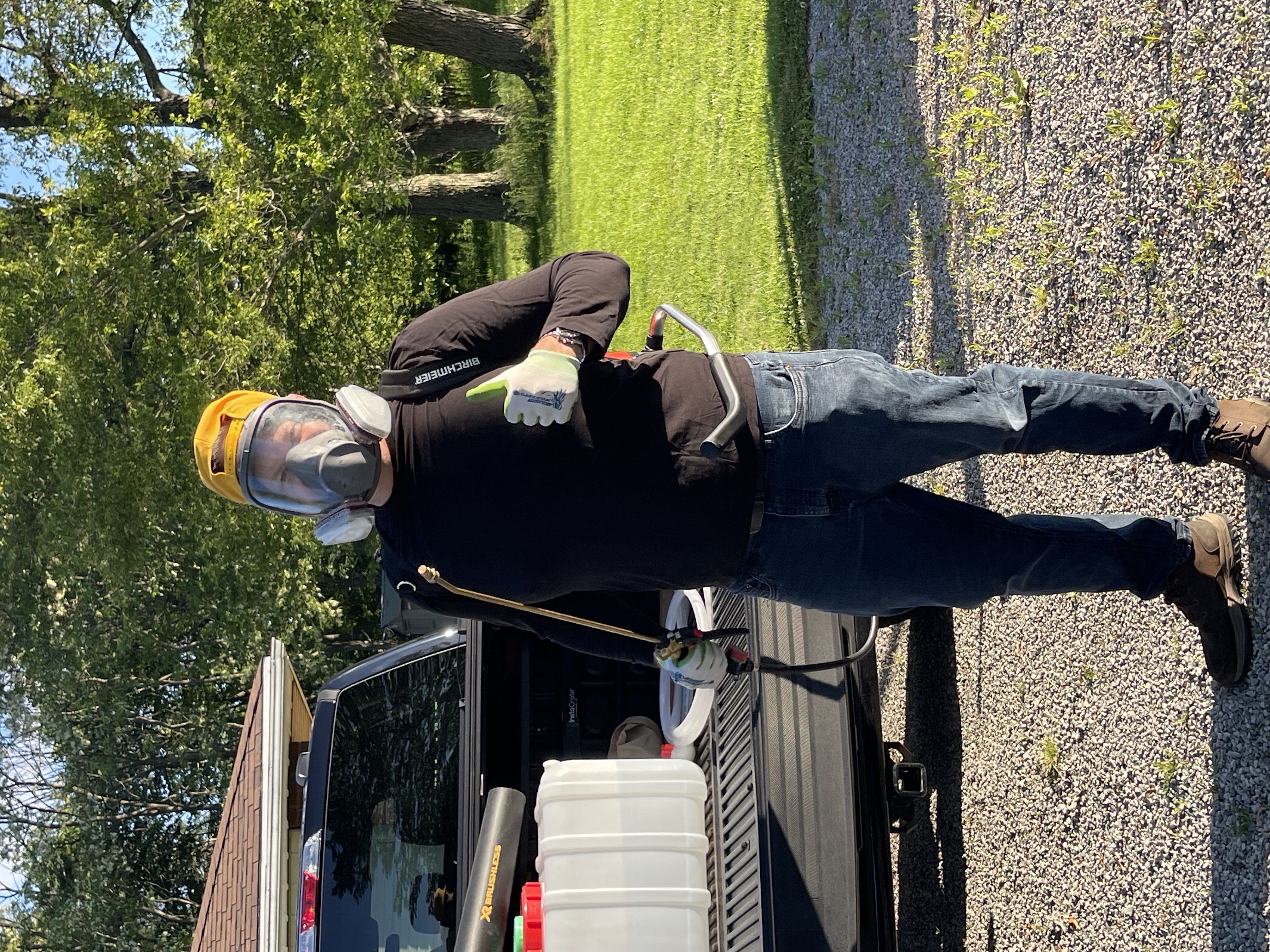
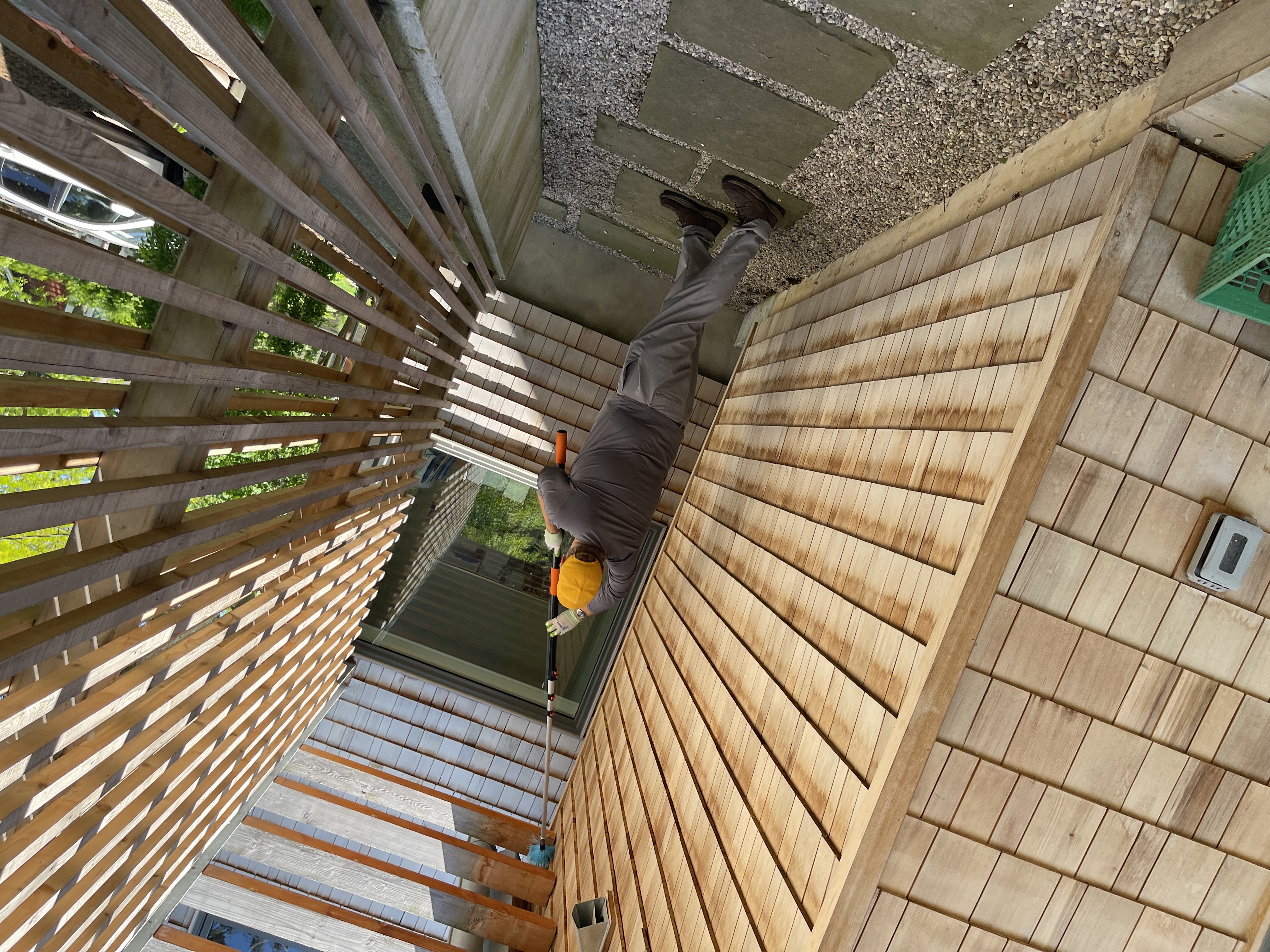
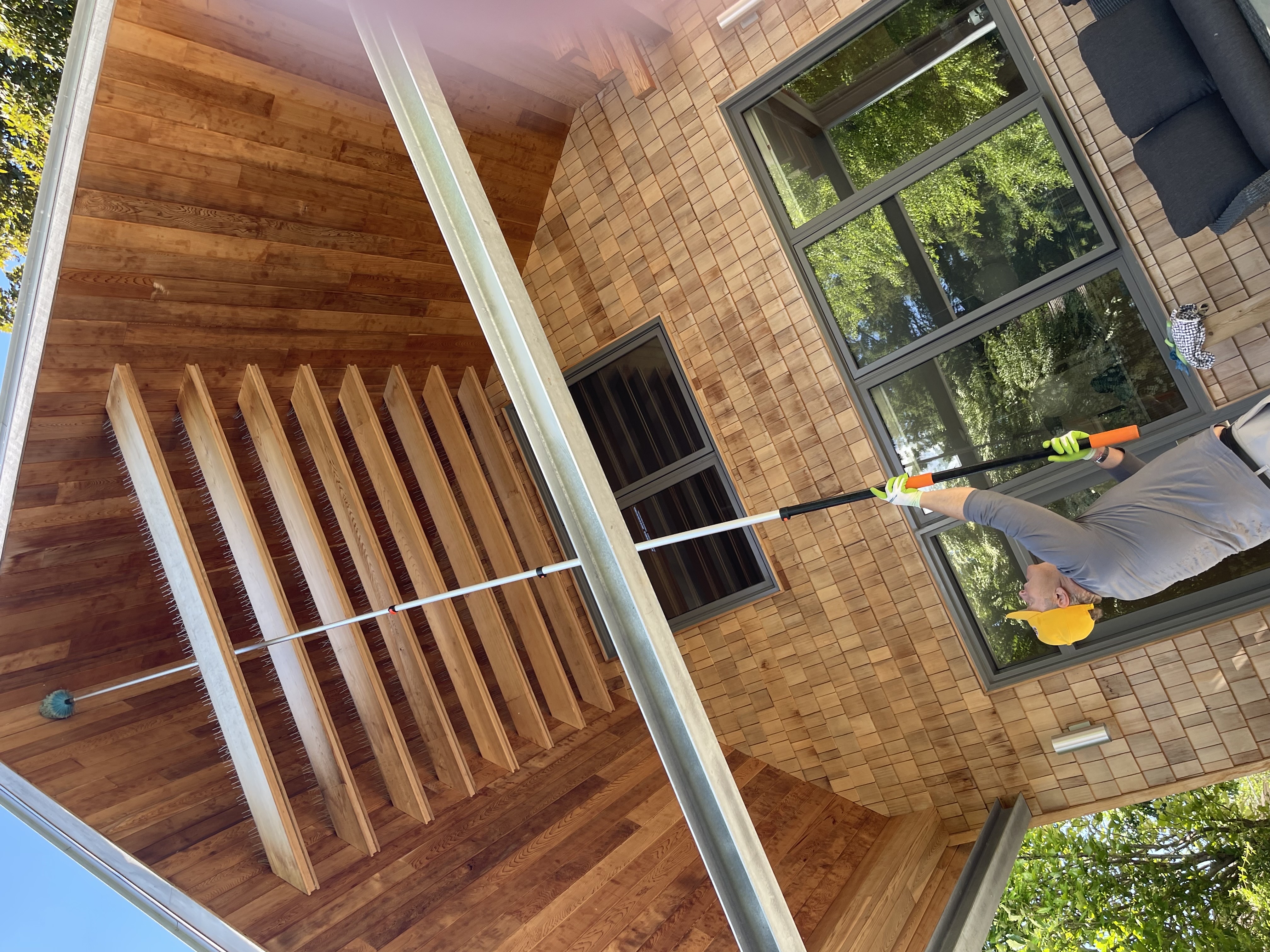
For a typical residential backyard treatment, we apply a residual adulticide (a labelled pyrethroid, usually bifenthrin or deltamethrin) to vegetation around the perimeter where adult mosquitoes rest during the day. The active ingredient kills mosquitoes on contact when they land on treated leaves. Residual lasts roughly 2 to 4 weeks under Ontario summer conditions. Where a property has obvious larval sites (a low spot, a chronically wet planter), we recommend either removing the source or, for sources that cannot be drained (an ornamental pond), spot-applying a Bti larvicide.
Spider Squad holds a Mosquito and Biting Flies licence (L-215-7338555928) which covers both larvicide and adulticide application within the residential and small commercial scope.
We treat:
We do not treat:
Most mosquito bites in Ontario are nuisance, not disease vectors. The species responsible for nuisance biting in residential settings (Aedes, Anopheles, Culex) are mostly competent vectors of diseases that exist elsewhere but circulate at very low rates in Ontario.
The two diseases worth knowing about:
For both diseases, the most effective protection is personal: long sleeves, repellents containing DEET or icaridin (both Health Canada PMRA-registered), and avoiding outdoor exposure at dawn and dusk when Culex mosquitoes feed. Yard treatment reduces mosquito density on the property but does not provide complete protection against bites incurred elsewhere.
Under Ontario Regulation 63/09 (the General regulation under the Pesticides Act), notification of adjacent property occupants is required for certain land exterminations. The 2020 amendments clarified the rules for biting arthropod control. We follow these rules in every treatment:
The rules differ between residential and non-residential settings. A residential customer typically does not have additional notification obligations beyond what we handle. We will explain the specific rules at the time of quote.
Does mosquito treatment actually reduce the bites in my yard?
Yes, substantially. A correctly applied yard adulticide treatment reduces adult mosquito density in the treated area by 70 to 90% for the first two weeks, declining over weeks 3 and 4. The reduction is most noticeable for residential adults that rest in vegetation during the day; you will not eliminate all bites because new mosquitoes fly in from off-property sources, but the difference is substantial. Most customers describe being able to use their backyard at dusk for the first time in years.
How often do I need to re-treat?
Every 3 to 4 weeks under typical Ontario summer conditions. Hot dry weather extends the residual; heavy rain washes some product off vegetation and shortens it. Our seasonal plan handles scheduling automatically. For a property with chronic mosquito issues (waterfront, wooded lot, near wetlands), we typically recommend treatments at the end of May, mid-June, mid-July, mid-August, and early September.
Are mosquito treatments safe for pets, kids, and bees?
For pets and kids, treated vegetation is safe to contact once dry. We do not treat lawns where children play directly; the application targets the vertical and horizontal vegetation where mosquitoes rest, not the playable lawn surface. For bees, we time application to evening or early morning when bees are not actively foraging, and we do not treat flowering plants directly. The pyrethroid family is more toxic to bees than to mammals, which is why timing matters.
Why does my municipal mosquito program look different from yours?
Municipal programs are larger-scale and typically focused on larvicide application (Bti pellets in catch basins, ditches, and standing water) to reduce regional mosquito populations and West Nile virus risk. Residential yard treatment is adulticide-focused, targeting the mosquitoes that have already emerged and are biting in a specific yard. The two are complementary; municipal larvicide reduces the regional source pool, residential adulticide reduces the local biting pressure.
Will treatment kill my pollinators?
Done correctly, no. We avoid spraying flowering plants, do not treat during peak bee foraging hours, and apply only enough product to wet the rest sites where mosquitoes land. Where a yard has a heavily-flowered area (a vegetable garden, a pollinator strip), we leave it untreated and direct application to the other areas. Some collateral effect on small flying insects is unavoidable; mosquitoes are insects and the products are designed to kill insects.
What about West Nile virus?
Yard treatment reduces local Culex density and provides some risk reduction at the property level, but does not replace personal protection. Public Health Ontario tracks West Nile activity weekly and issues alerts when local mosquito pools test positive. We recommend reading those alerts during the season and using DEET or icaridin repellents for outdoor activity at dawn and dusk regardless of yard treatment.
Spider Squad - Ontario Pest Control
Same-week availability across Niagara, Hamilton, and Halton. Quotes returned within one business day.
Call 905-938-7498 Request a QuoteFind Your Region
Direct service in Niagara, Hamilton, and Halton. Licensed local operators across 14 more regions.
Premium Protection
Choose the protection barrier your property needs. Simple, professional, and guaranteed.
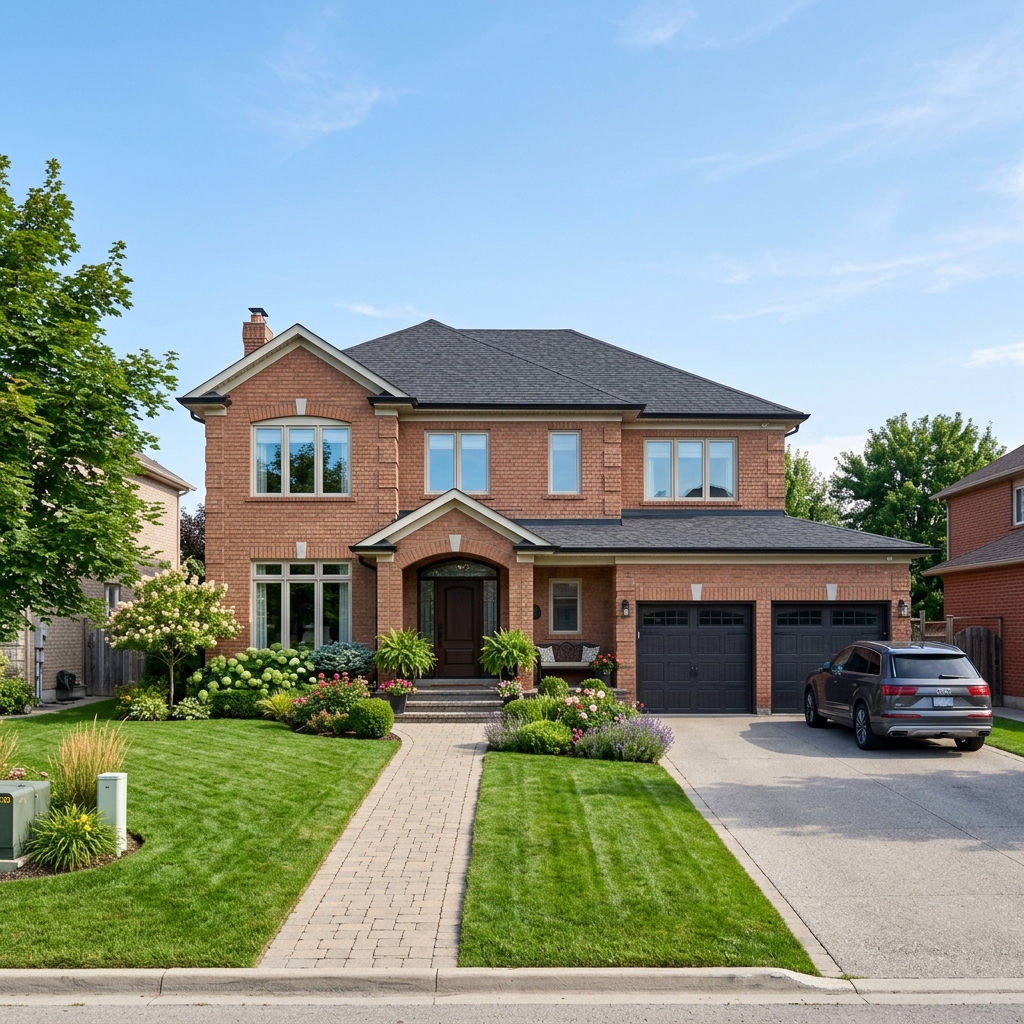
Our flagship exterior structural barrier targets the full perimeter of your home — foundations, soffits, window frames, eaves, and all entry points. Repels and eliminates spiders, ants, and crawling insects before they enter.

A comprehensive yard-level barrier applied to shaded vegetation, ornamental shrubs, deck skirting, and property borders. Reduces adult mosquito and tick populations around your outdoor living space.
SpiderShield™ perimeter barrier
SpiderShield™ creates an invisible exterior barrier that prevents more than just spiders — blocking ants, earwigs, crickets, and other seasonal crawlers from entering your home.
Wherever You Need Us
From the shores of Lake Erie to cottage-country docks — if bugs are a problem, we’re already on the way.
Genuinely Local Exterminators
Spider Squad is a family business — not a franchise, not a call centre. Our team lives in the communities we serve, which means faster scheduling, real accountability, and treatments designed for the pest pressures specific to this part of Ontario.
Don’t Wait
Same-week service available in most communities. Get a free assessment — no obligation.
Don’t Let Spiders Take Over
Tell us about your property and we’ll respond within hours to book your service. No obligation, no pressure.