Prevention Guide
Prevention is more effective than reaction. A late-summer barrier treatment combined with targeted physical sealing stops the majority of Ontario's spider migration before it reaches your interior.
Spider prevention in Ontario has two components that work together: a professional exterior barrier treatment that kills spiders crossing the perimeter, and physical sealing of the gaps that allow entry even where barrier treatment is applied.
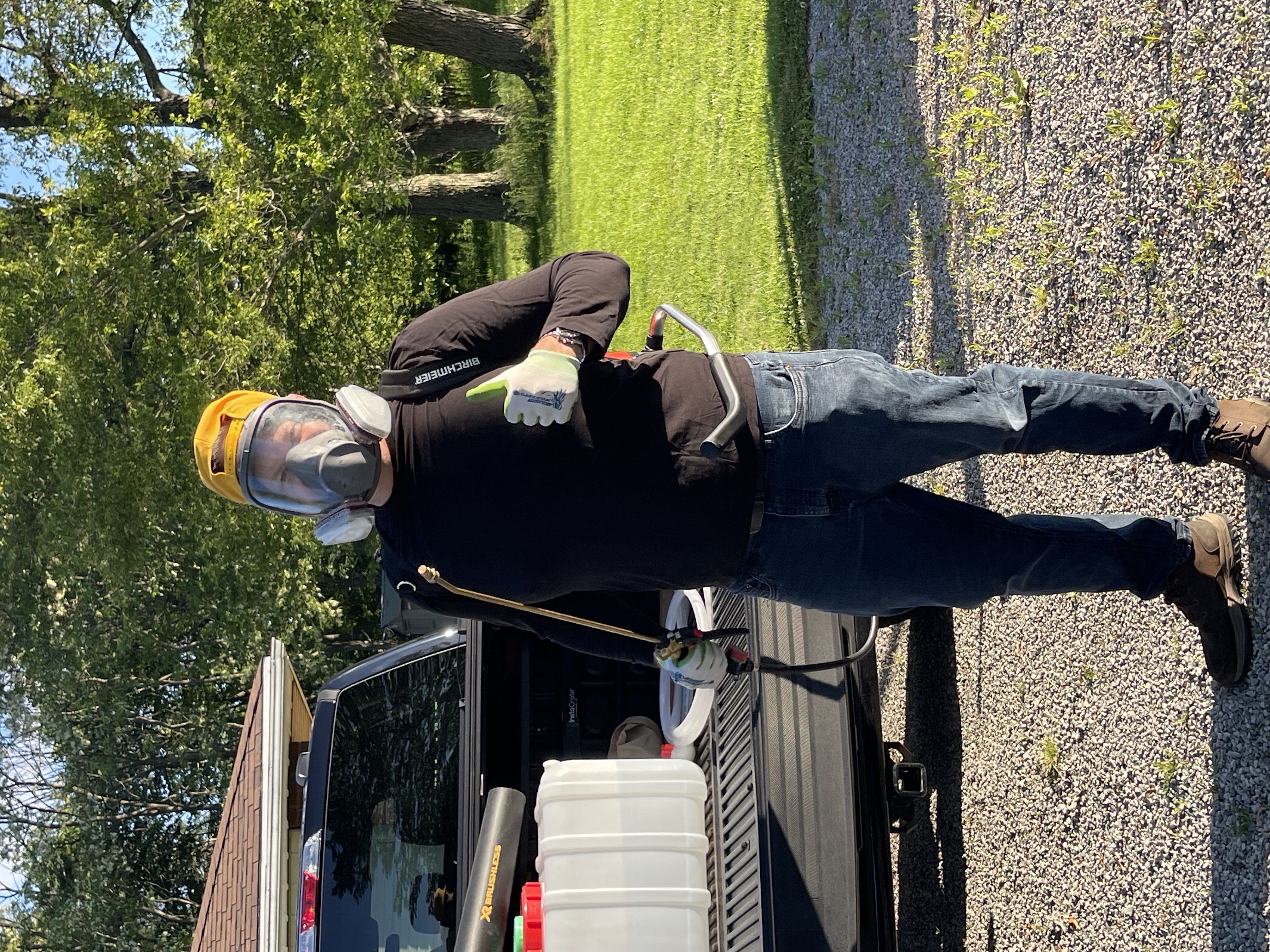
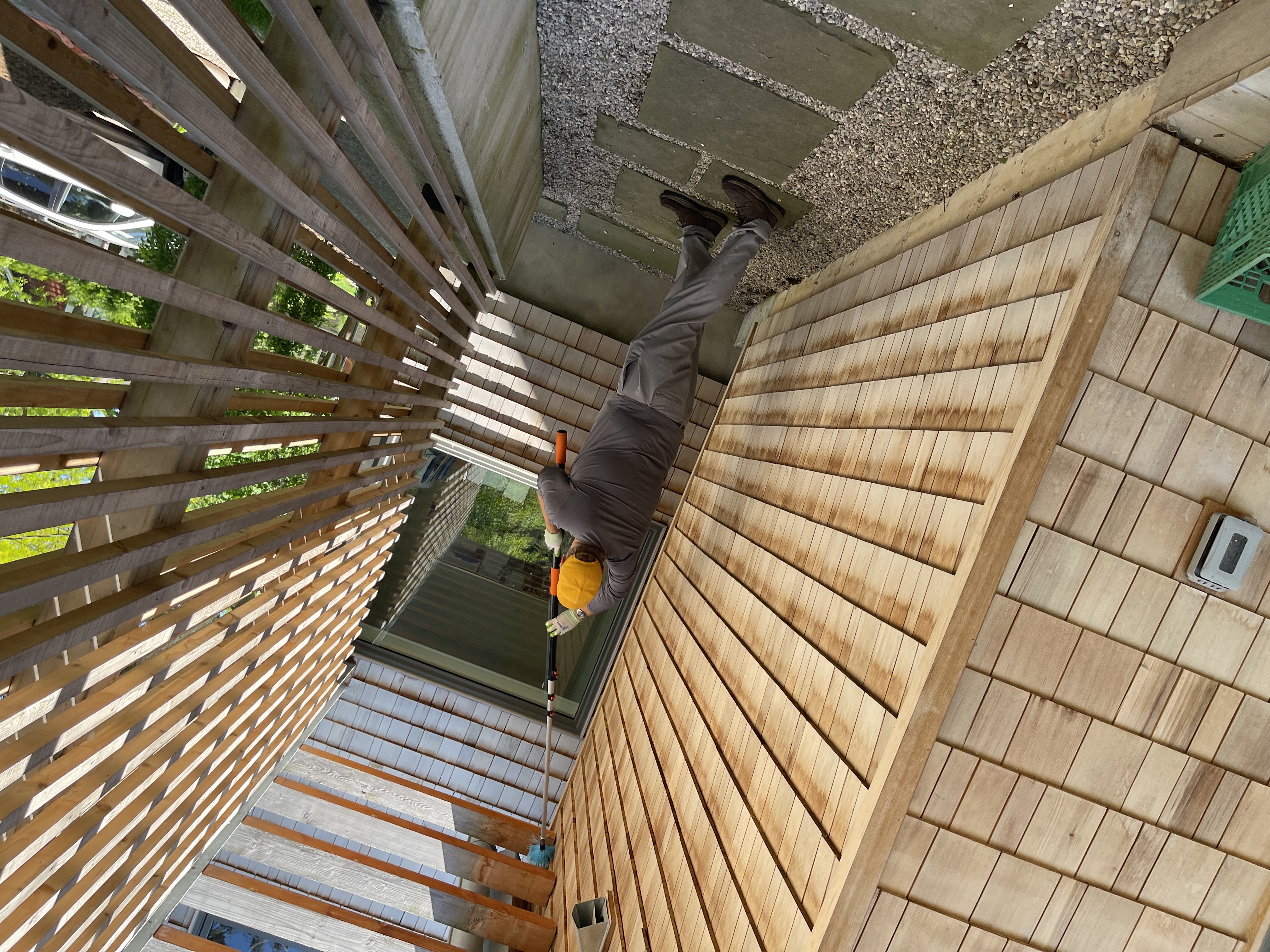
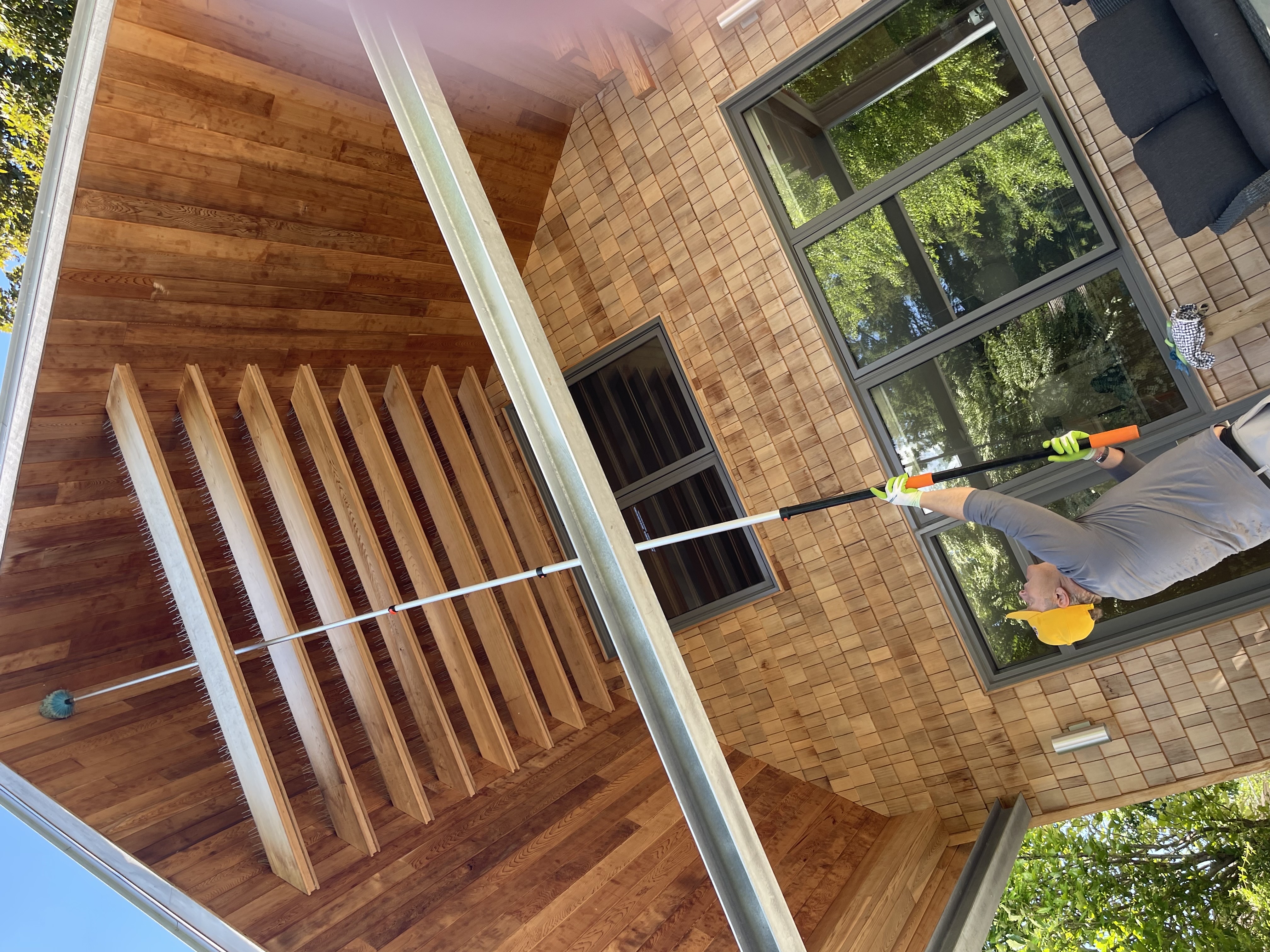
Our treatment applied along the full exterior foundation, eaves, window and door frames, and utility penetrations creates a treated zone that kills spiders on contact for 3 to 6 months. This is the highest-impact single intervention for stopping the fall migration. Book in mid-August before peak migration begins in September.
Caulking, weatherstripping, weep hole covers, and door sweeps physically close the gaps spiders use to enter. These measures are most effectively applied in spring after winter settling has created new gaps. Physical sealing reduces immigration even between treatment cycles and at entry points where spray application alone is insufficient.
Spiders follow their food source. Reducing the insect population around your home's perimeter reduces the spider pressure that builds through summer and drives the fall migration.
White and blue-spectrum light attracts flying insects that attract spiders. Switching exterior fixtures to warm-spectrum LEDs (2700K or lower) significantly reduces insect density around entry points. Motion-activated fixtures that are off when no one is present are even more effective.
Foundation plantings, mulch, and organic material touching the house wall provide harborage for spiders adjacent to entry points. Maintaining a 30 to 45cm gravel or bare soil zone at the foundation base dramatically reduces the staging area available to spiders preparing to enter.
Cardboard boxes in garages and basements are preferred spider harborage and egg-sac attachment sites. Switching to sealed plastic storage bins eliminates this harborage and makes treatment more effective by removing the protected sites where populations reproduce.
How do I keep spiders out of my house in Ontario?
The most effective combination: a professional exterior barrier treatment in August (before fall migration peaks) plus physical sealing of foundation utility penetrations, weep holes, window frame caulk, and door weatherstripping. These two measures together address both the chemical and physical aspects of spider exclusion.
Does keeping a clean house prevent spiders?
It helps - cleanliness reduces food sources and harborage. But it is not sufficient alone to prevent fall migration. Spiders entering through foundation gaps don't need clutter to establish. Physical sealing and exterior barrier treatment are more impactful than housekeeping for preventing seasonal invasions.
Do peppermint oil or home remedies work?
No meaningful residual effect. Some essential oils cause brief avoidance behaviour when applied directly, but the effect dissipates within hours and provides no barrier at entry points. Not a substitute for professional treatment or physical sealing.
What is the best time to spider-proof an Ontario home?
Two windows: late April-May for inspection and sealing of foundation cracks and utility penetrations; late July-early August for the exterior barrier treatment. Physical sealing in spring plus barrier treatment in late summer provides maximum coverage through the September peak.
Prevention Starts Here
The August treatment window fills early. Call to secure your date before migration peaks.
📞 905-938-7498 Fall Season GuidePremium Protection
Choose the protection barrier your property needs. Simple, professional, and guaranteed.

Our flagship exterior structural barrier targets the full perimeter of your home — foundations, soffits, window frames, eaves, and all entry points. Repels and eliminates spiders, ants, and crawling insects before they enter.

A comprehensive yard-level barrier applied to shaded vegetation, ornamental shrubs, deck skirting, and property borders. Reduces adult mosquito and tick populations around your outdoor living space.
SpiderShield™ perimeter barrier
SpiderShield™ creates an invisible exterior barrier that prevents more than just spiders — blocking ants, earwigs, crickets, and other seasonal crawlers from entering your home.
Wherever You Need Us
From the shores of Lake Erie to cottage-country docks — if bugs are a problem, we’re already on the way.
Spider Squad is an owner-operated family business — not a national franchise or outsourced call centre. Our certified technicians live in the communities we serve, ensuring rapid dispatch, personal accountability, and treatments engineered for Southern Ontario's pest pressures.
Don’t Let Spiders Take Over

Tell us about your property and we’ll respond within hours to book your service. No obligation, no pressure.
Personalize pest outlooks, live condition alerts, and dispatch availability for your area.