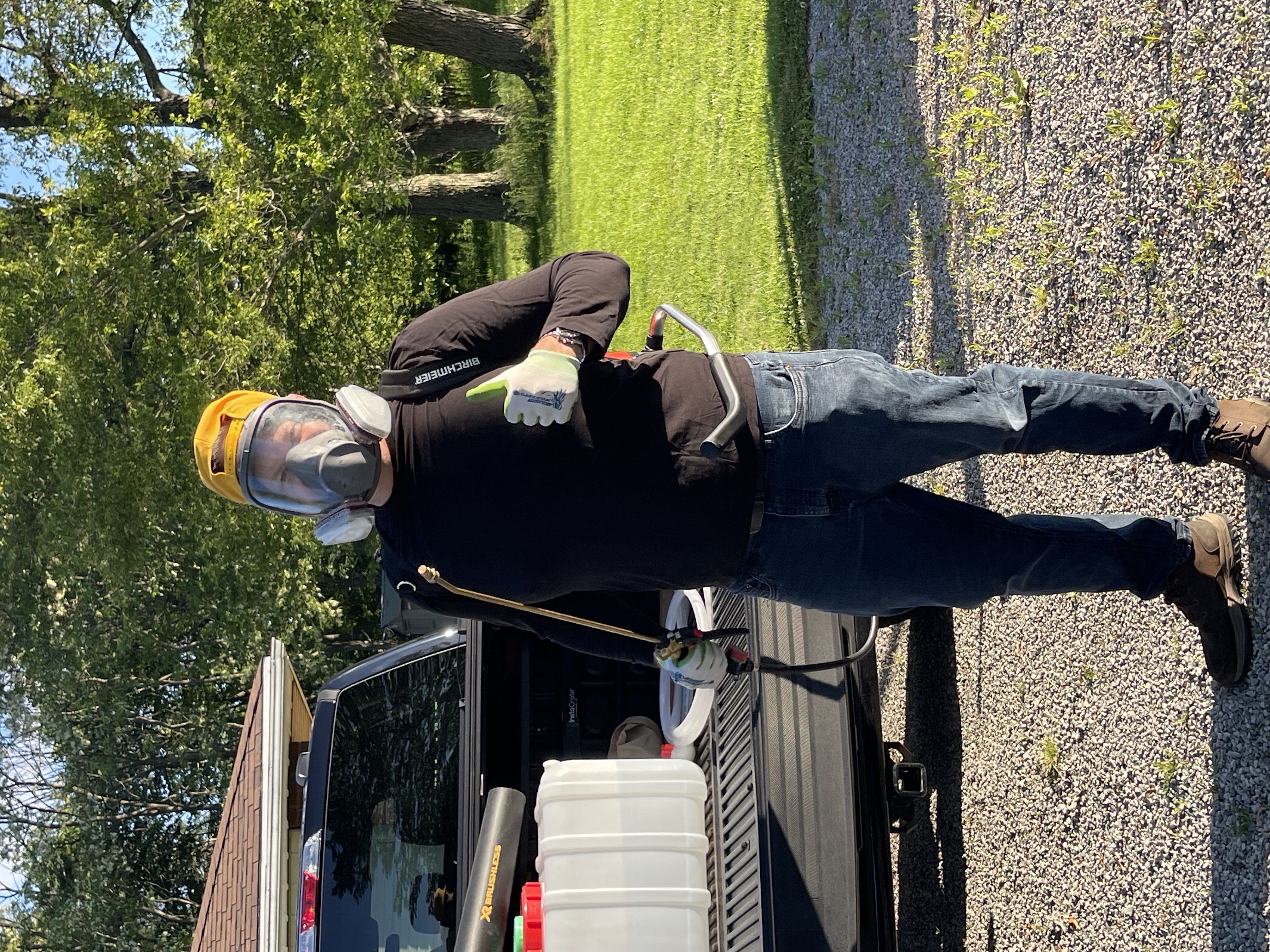
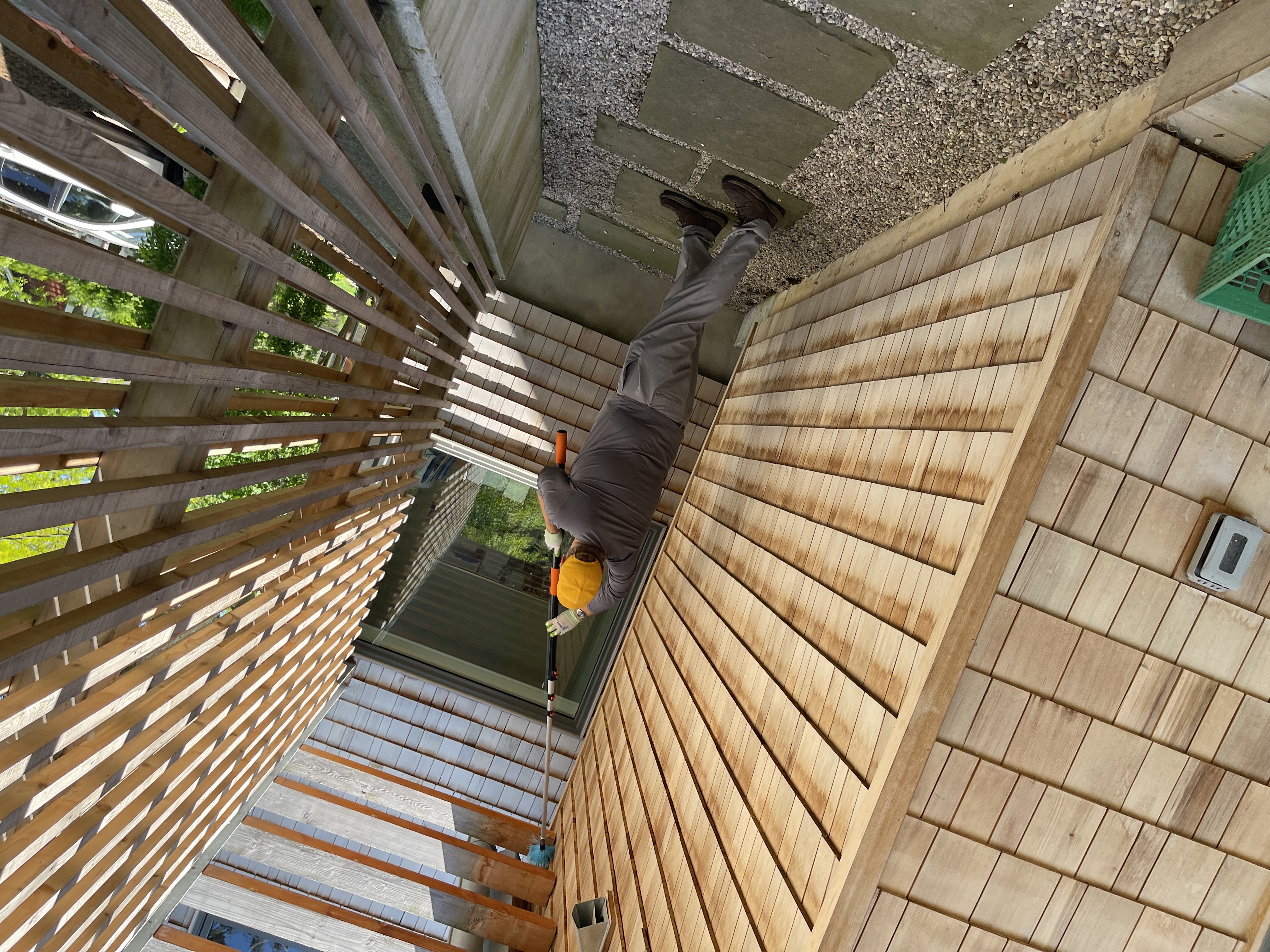
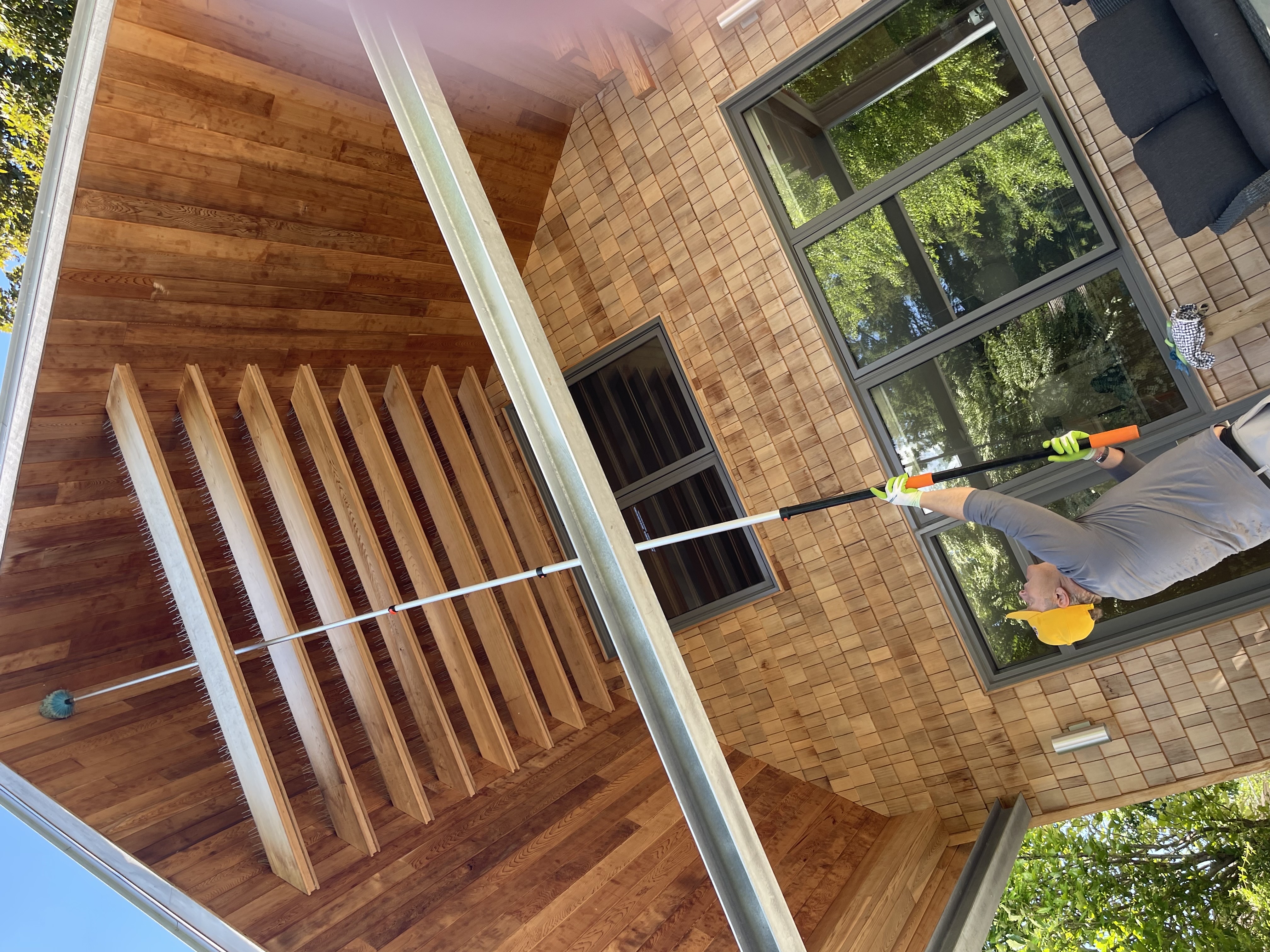
Tenant complaints about spiders are common and preventable. Spider Squad provides turnover treatments, complaint-response visits, and scheduled exterior maintenance programs for rental properties across Ontario - coordinated around your tenants and your schedule.
Rental properties present a specific set of conditions that make spider problems more common and more persistent than in owner-occupied homes.
Vacancy periods - even brief ones - remove the regular human activity that naturally deters spiders from interior spaces. Without occupants moving through the garage, basement, and utility areas, spiders establish quickly in undisturbed zones. A turnover treatment before the next tenant moves in prevents inherited complaints from day one.
Exterior pest pressure builds up between visits when no scheduled treatment program is in place. Vegetation, mulch, and clutter against the foundation accumulate between tenants. Scheduled exterior barrier treatments 2–3 times per year maintain a consistent level of protection regardless of what happens with landscaping maintenance.
Tenants can't modify the building structure, reseal entry points, or apply professional-grade exterior treatment. When spiders are entering through building-condition gaps - deteriorated caulking, unsealed utility penetrations, damaged door sweeps - the issue requires landlord action regardless of how tidy the tenant is.
In attached or multi-unit buildings, a spider problem in one unit will eventually pressure adjacent units. Treating the building perimeter and common areas addresses the source rather than chasing complaints unit by unit.
| Service Type | When to Use | What's Covered |
|---|---|---|
| Turnover Treatment | Between tenants while unit is vacant | Full interior + exterior; garage, utility areas, full foundation perimeter |
| Complaint Response | Active tenant reports significant spider activity | Exterior perimeter; targeted interior as required |
| Seasonal Exterior Program | Proactive prevention; 2–3 visits/year | Full perimeter exterior, eaves, entry points; no interior required |
| Building Perimeter | Multi-unit building with multiple complaints | Full building exterior; common area interior as applicable |
Proactive vs. Reactive Costs: Landlords who book 2–3 scheduled exterior treatments per year typically spend less total than those who respond to individual tenant complaints throughout the season - and generate fewer complaints in the process.
Under the Residential Tenancies Act, landlords in Ontario are required to maintain rental units in a good state of repair and fit for habitation. Pest control generally falls under this maintenance obligation when infestations relate to building conditions rather than tenant behavior.
Keep records of all pest control activity - dates, areas treated, and the service company. If a Landlord and Tenant Board matter ever arises regarding pest conditions, this documentation supports your position that you acted promptly and professionally.
Spiders entering through foundation gaps, deteriorated door sweeps, or unsealed utility penetrations are a building-condition issue - squarely a landlord responsibility. Spiders inhabiting areas due to excessive clutter, food debris, or open packaging may involve shared responsibility. Document the inspection findings at each visit.
Ontario's RTA requires a minimum 24-hour written notice before entering an occupied rental unit for pest control or maintenance. We can work within your standard entry notice process - book with at least 48 hours of lead time for occupied units so you can provide proper notice.
The above is general information, not legal advice. Consult a licensed paralegal or lawyer for guidance on your specific obligations under the Residential Tenancies Act.
We can work directly with your tenants on scheduling or coordinate through your property management team. Provide us with the contact details for on-site access and we handle communication around the visit.
All visits are invoiced with property address, date, areas treated, and products applied - the documentation you need for maintenance records and any future tenancy board submissions.
If you manage multiple rental properties, contact us about scheduling multiple locations in a single visit window. Coordinating multiple properties in the same geographic area reduces mobilization time.
Book a turnover treatment or schedule an exterior maintenance program for your rental properties.
Call 905-938-7498 All ServicesPremium Protection
Choose the protection barrier your property needs. Simple, professional, and guaranteed.
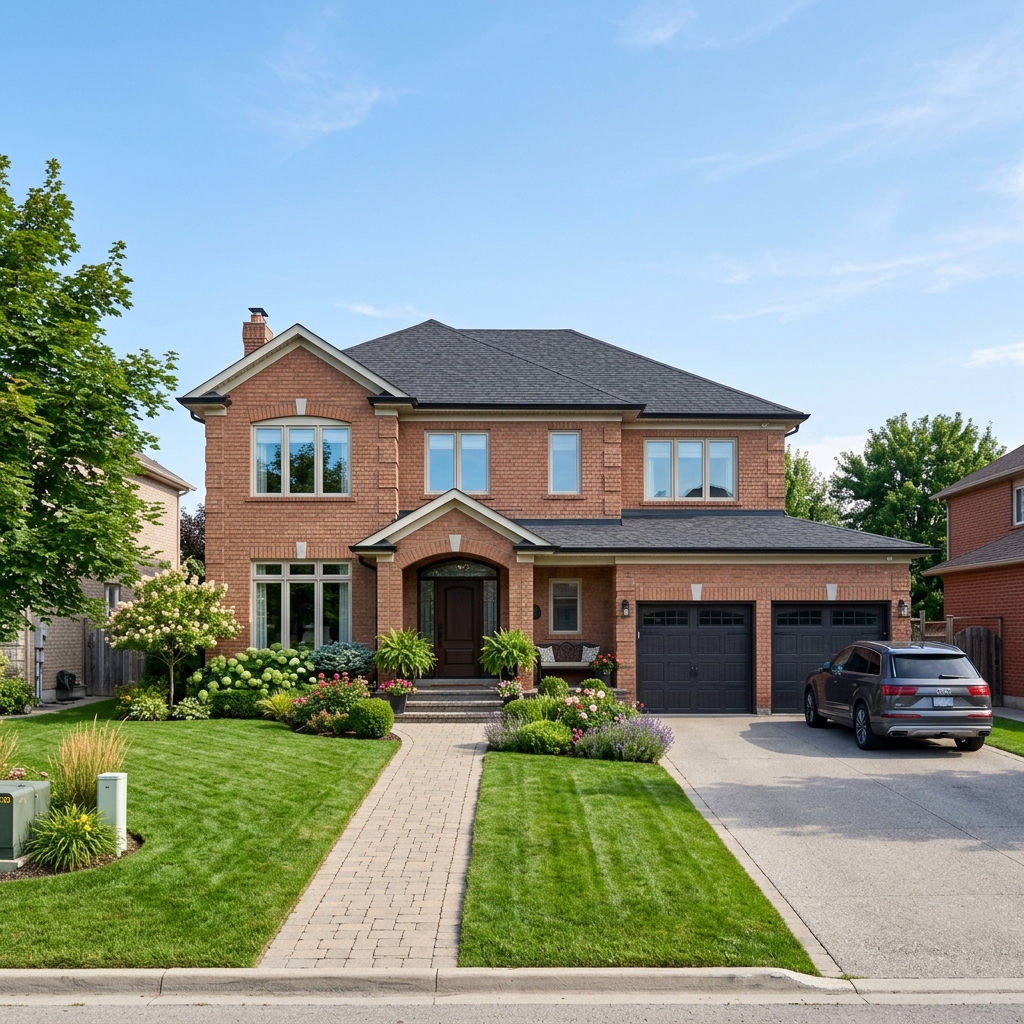
Our flagship exterior structural barrier targets the full perimeter of your home — foundations, soffits, window frames, eaves, and all entry points. Repels and eliminates spiders, ants, and crawling insects before they enter.

A comprehensive yard-level barrier applied to shaded vegetation, ornamental shrubs, deck skirting, and property borders. Reduces adult mosquito and tick populations around your outdoor living space.
SpiderShield™ perimeter barrier
SpiderShield™ creates an invisible exterior barrier that prevents more than just spiders — blocking ants, earwigs, crickets, and other seasonal crawlers from entering your home.
Wherever You Need Us
From the shores of Lake Erie to cottage-country docks — if bugs are a problem, we’re already on the way.
Spider Squad is an owner-operated family business — not a national franchise or outsourced call centre. Our certified technicians live in the communities we serve, ensuring rapid dispatch, personal accountability, and treatments engineered for Southern Ontario's pest pressures.
Don’t Let Spiders Take Over

Tell us about your property and we’ll respond within hours to book your service. No obligation, no pressure.
Personalize pest outlooks, live condition alerts, and dispatch availability for your area.