Waterfront & Cottage Treatment
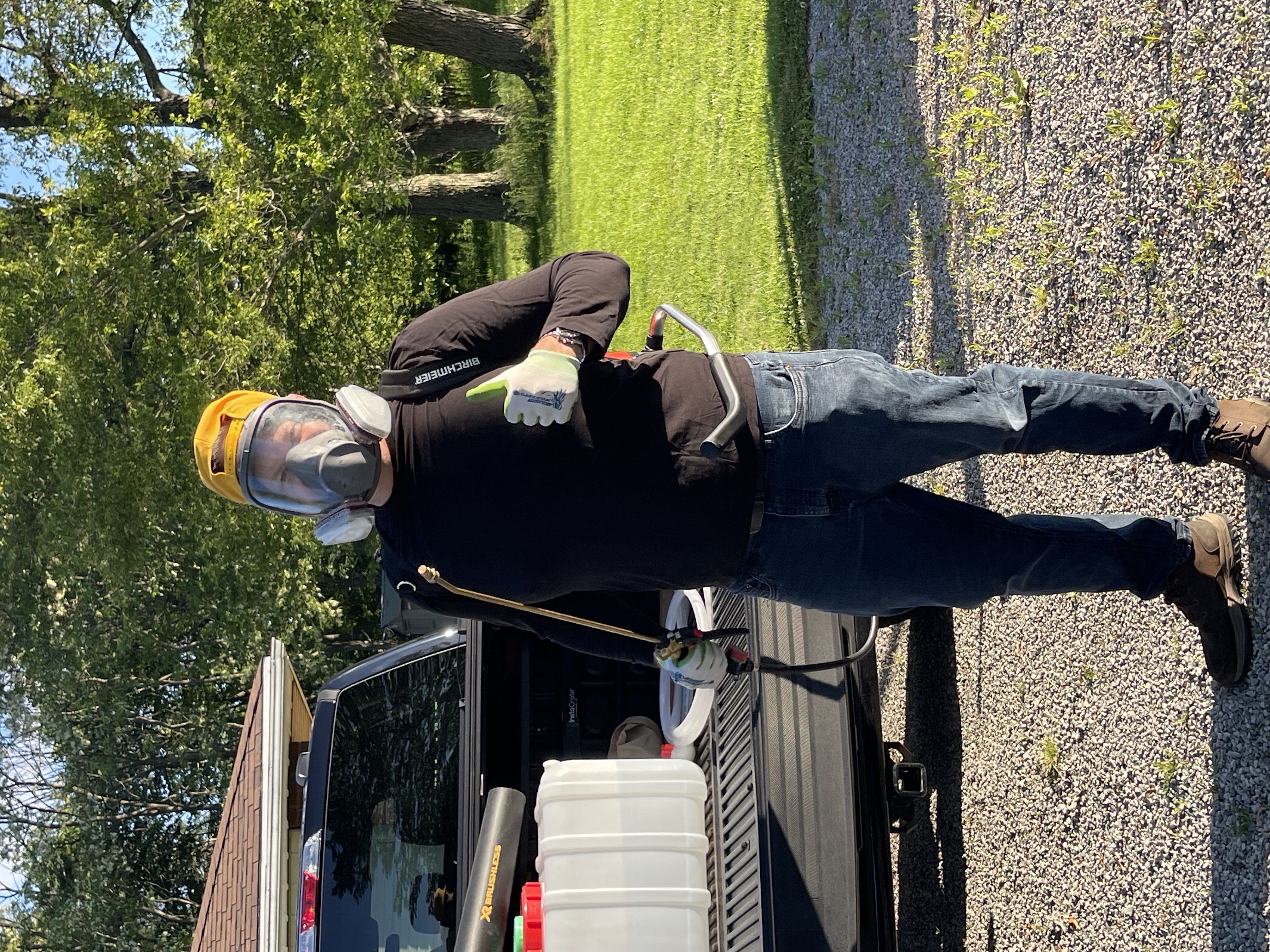
Dock spiders overrun Ontario boathouses, docks, and waterfront structures every summer. We treat the full property - boathouse interior, dock structure, cottage perimeter, and outbuildings - so you can use the water without dealing with Ontario's largest spider.

If you have a cottage, dock, or boathouse in Ontario, you know about dock spiders. Dolomedes - Ontario's largest native spider - are semi-aquatic hunters that colonize wooden docks, boathouses, and shoreline structures in massive numbers through the summer months. They can reach over 75mm leg span, run across the water's surface, and appear suddenly from cracks in dock boards, boathouse rafters, and the underside of boat lift cradles.
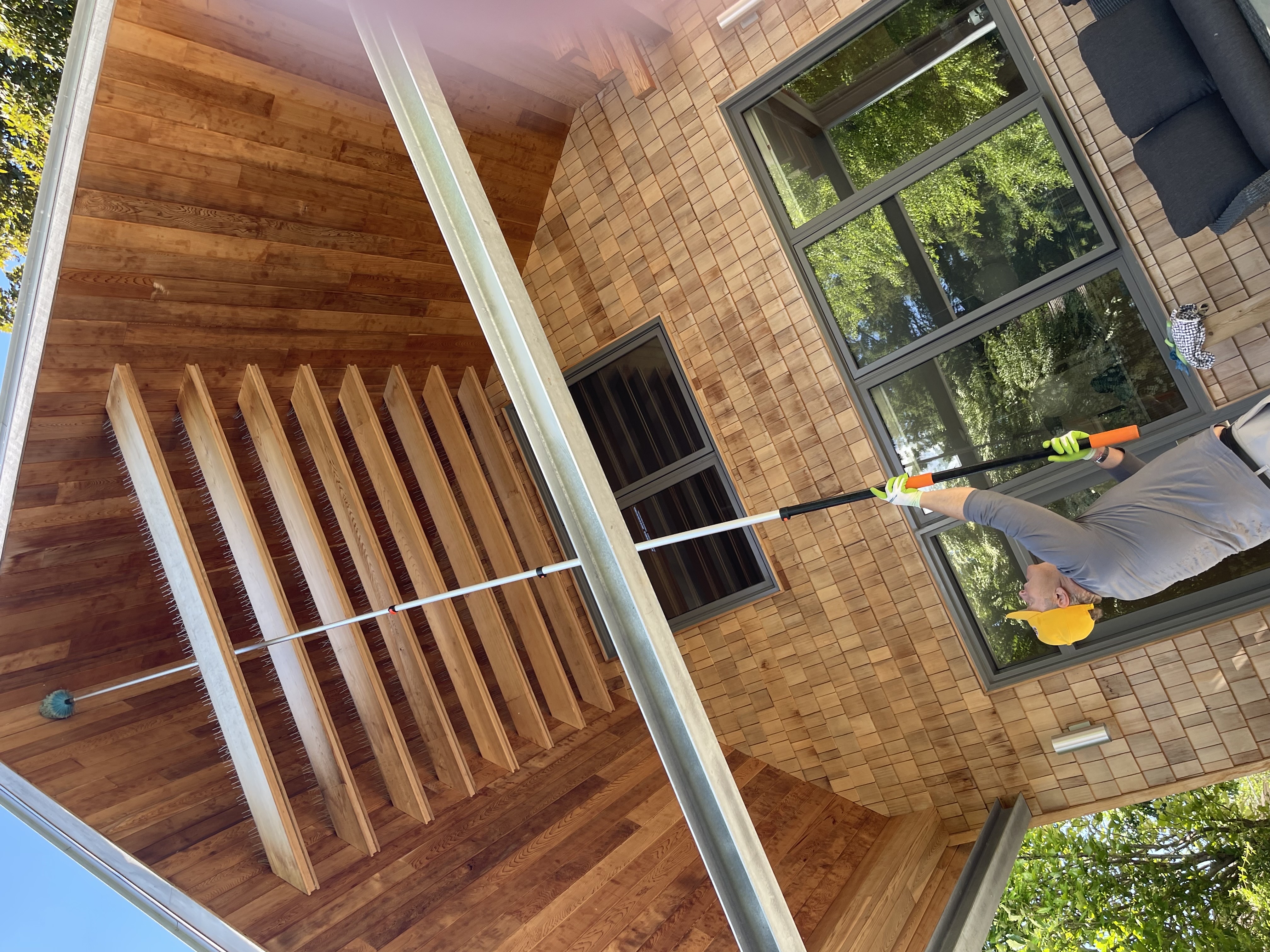
Open docks are bad. Boathouses are worse. The enclosed structure, dark rafters, wood framing, and humid air create exactly the conditions Dolomedes prefer for nesting and overwintering. By the time you open a boathouse in May, webs cover the ceiling joists, spiders are nesting inside boat lift mechanisms, and every door frame and window sill is colonized. Spider Squad treats boathouse interiors as a dedicated service - not an afterthought.
Dolomedes triton and Dolomedes tenebrosus are the two species most commonly called "dock spiders" in Ontario. They are fishing spiders - they sense vibrations on the water surface and dive to catch aquatic insects, small fish, and tadpoles. Females carry egg sacs attached to their bodies and build nursery webs near the waterline. Peak season is late May through early August, with juveniles appearing in June. Their preferred habitat is exactly where you want to be: dock boards, boathouse walls, under the swim platform, boat lift mechanisms, and around the waterline of any wooden structure.
A boathouse is a spider's ideal environment: enclosed, dark, humid, full of rough wooden surfaces, and sitting directly over water. The rafters and ceiling joists accumulate dense web colonies through the off-season with no disturbance. Boat lift mechanisms - the cradle frame, guide posts, pulleys, and motor housing - are packed with egg sacs by late spring. Door frames, thresholds, and hinges are prime harborage zones. If your boathouse has a loft or sleeping area, interior spider pressure follows the same population. Most cottage owners are shocked by what's living in their boathouse when they open in May - particularly in historic waterfront communities where traditional wooden boathouses provide generations worth of established harborage.
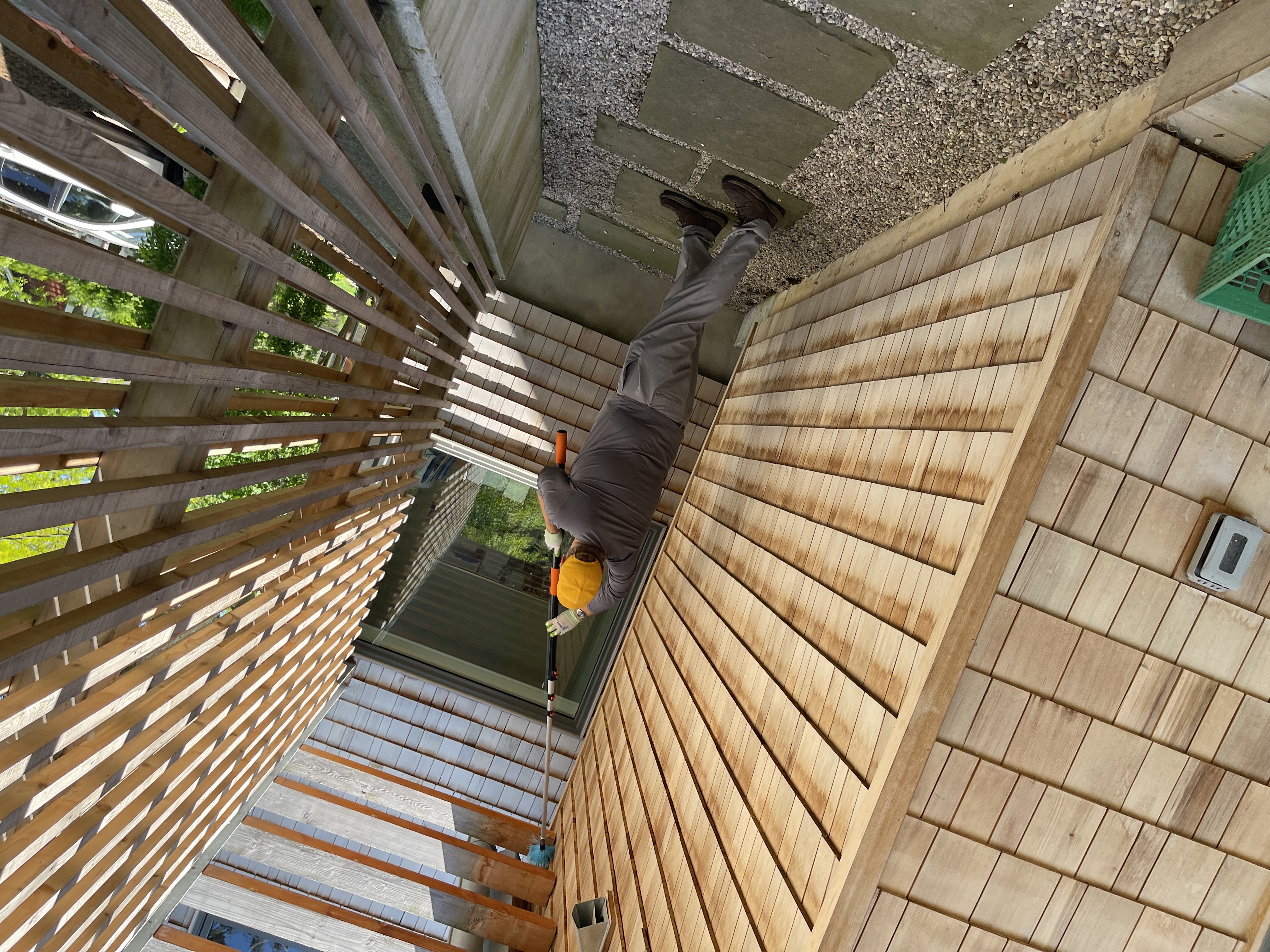
Full interior boathouse treatment is one of our most-requested waterfront services. We cover ceiling joists and rafters, interior walls and exposed framing, the boat lift cradle and guide mechanism, door frames and thresholds, window sills and vent openings, and any loft or storage area above the waterline. We recommend pairing this with our standard web sweeping (included in every treatment) to clear existing webs before applying the barrier treatment, giving the product direct contact with structural surfaces and eliminating the anchor points spiders use to rebuild.
We treat dock boards and plank surfaces, dock frame undersides above the waterline, dock post bases, swim platform decking and underside, boat lift structures and posts, and wooden steps and walkways connecting the dock to shore. For floating docks, we treat the frame and decking surfaces accessible from above.
When you open for the season, spiders and insects have been quietly overwintering in every crack and corner since October. Our seasonal opening treatment covers the full property: cottage exterior, deck, dock, boathouse interior and exterior, shed, and outbuildings - clearing the property before your first real weekend. This is the most comprehensive single-visit waterfront service we offer.
We treat the cottage exterior perimeter, foundation, deck edges, and shoreline structures to create a barrier that keeps spiders from migrating from the water's edge to the cottage itself. Particularly effective for properties where the dock or boathouse is close to the cottage or connected by a walkway.
A treatment in September or October before you close reduces the number of spiders and insects that overwinter inside the boathouse, cottage, and outbuildings. Less overwintering population means significantly fewer surprises - and far fewer egg sacs - when you open again in spring.
If you rent your waterfront property, a spider-free boathouse, dock, and cottage is part of the package guests expect - and review. A single bad review mentioning spiders costs more than a season of treatments. We can treat between rental windows or on a seasonal schedule to keep the property consistently presentable.
Waterfront treatment requires more care than a standard residential job. We apply product only to above-waterline surfaces - never to water surfaces, submerged structures, or areas that drain directly into the lake. This is consistent with both the product label and our standard operating procedure for all waterfront work. Boathouse interiors are fully treatable since all surfaces are above water.
We use our professional-grade bifenthrin suspension concentrate registered with Health Canada's PMRA. The Polyzone formulation bonds to surfaces and provides extended residual control, including on the rough, weathered, and aged wood typical of boathouses and dock structures.
Once cured (30 to 60 minutes after application), it's safe for people and pets. It remains effective through normal weathering and moderate rain exposure - important for structures that see heavy morning dew and seasonal humidity.
Learn more about our treatment products →
For boathouses with heavy winter web accumulation, we recommend a web cleanout before the barrier treatment. Boathouse rafters and ceiling joists can be densely webbed after a full off-season - removing existing webs gives the product direct surface contact and eliminates the structural anchor points spiders use to rebuild. This is particularly common on first-season treatments and spring openings.
Waterfront and boathouse treatment is particularly in demand in our cottage country regions. These areas have the highest concentration of lakefront properties, traditional wooden boathouses, seasonal cottages, and dock spider activity in Ontario.
Lake Ontario and Lake Erie shorelines, Niagara River, and surrounding waterways. High concentration of boathouses, docks, and seasonal shoreline properties in Grimsby, St. Catharines, Niagara-on-the-Lake, Port Colborne, and Fort Erie. Niagara Spider Squad →
Lake Erie waterfront, Grand River cottage country, and inland waterways. Heavy dock spider pressure on cottages, boathouses, and docks in Dunnville, Port Maitland, and Selkirk shoreline communities. Haldimand Spider Squad →
Serving Lake Ontario waterfront communities, including Oakville, Burlington, and the Hamilton beach strip and harbor areas where lakeside humidity drives high spider activity. Halton Spider Squad →
If you have a waterfront home or cottage in any of our active service areas (Niagara, Haldimand, Hamilton, or Halton), we can treat your docks, boathouses, and shorelines. Contact us with your location to book your service.
Are dock spiders dangerous?
Dolomedes can bite if handled or trapped against skin, and like most spiders may produce mild localized irritation. They are not considered medically significant to healthy adults. However, they are Ontario's largest spider, they move quickly, and they startle people - particularly children. For anyone with arachnophobia or families with young kids, dock spiders on the dock and boathouse are a real quality-of-life issue worth addressing.
Will treating the dock hurt the fish or the lake?
We apply product to above-waterline surfaces only - dock boards, boathouse walls, and structural elements that stay dry. We do not apply product to surfaces that are submerged, in the splash zone, or that drain directly into the water. This is consistent with our licensed treatment product's label directions. We've never had a complaint or incident involving aquatic impact from our waterfront applications.
How long does the dock treatment last?
On wooden dock surfaces exposed to Ontario weather, you can expect 4 to 8 weeks of effective residual control from a single application. Many cottage owners book one treatment at the start of the season (May or June) and a second mid-season (late July or August) to maintain the barrier through Labour Day weekend.
Do you have to come when we're at the cottage?
No. We can treat exterior structures - including docks and boathouses - without the property owner being present, provided access has been arranged in advance. Many seasonal cottage owners book treatments for a specific date and give us access details. We confirm completion and send a service record.
What about interior cottage spiders?
Interior spider control is available on request, particularly for seasonal opening treatments. Most spider activity at cottages is exterior and structural - treating the outside perimeter typically resolves interior pressure over 2 to 4 weeks as the barrier intercepts spiders entering the building.
Do you treat the inside of boathouses?
Yes - boathouse interior treatment is one of our most-requested waterfront services. We treat ceiling joists, rafters, interior walls, boat lift structures, door frames, window sills, and any loft or storage areas. Because boathouse interiors are fully above the waterline, they can be treated comprehensively. Most boathouse interiors have significantly higher spider density than the open dock - the enclosed, dark, humid environment is ideal habitat and spiders are left completely undisturbed through the off-season.
Can you include web removal at the boathouse?
Yes, we sweep out webs as part of our boathouse treatment. For boathouses with heavy winter web accumulation, we sweep away existing webs before applying the barrier treatment. This gives the product direct contact with structural surfaces and eliminates the anchor points spiders use to rebuild. This is included at no extra cost, though please note that our manual broom sweeping is limited to clearing webs and cannot deep-clean heavy dirt or algae (which requires a professional power washing company).
Book Your Waterfront Treatment
Tell us your property location, structures to be treated, and preferred timing. We'll confirm coverage and get you a price.
📞 905-935-7498 Find My RegionPremium Protection
Fall is when crawlers leave the yard and look for a way in. Choose the protection barrier your property needs — simple, professional, and guaranteed.
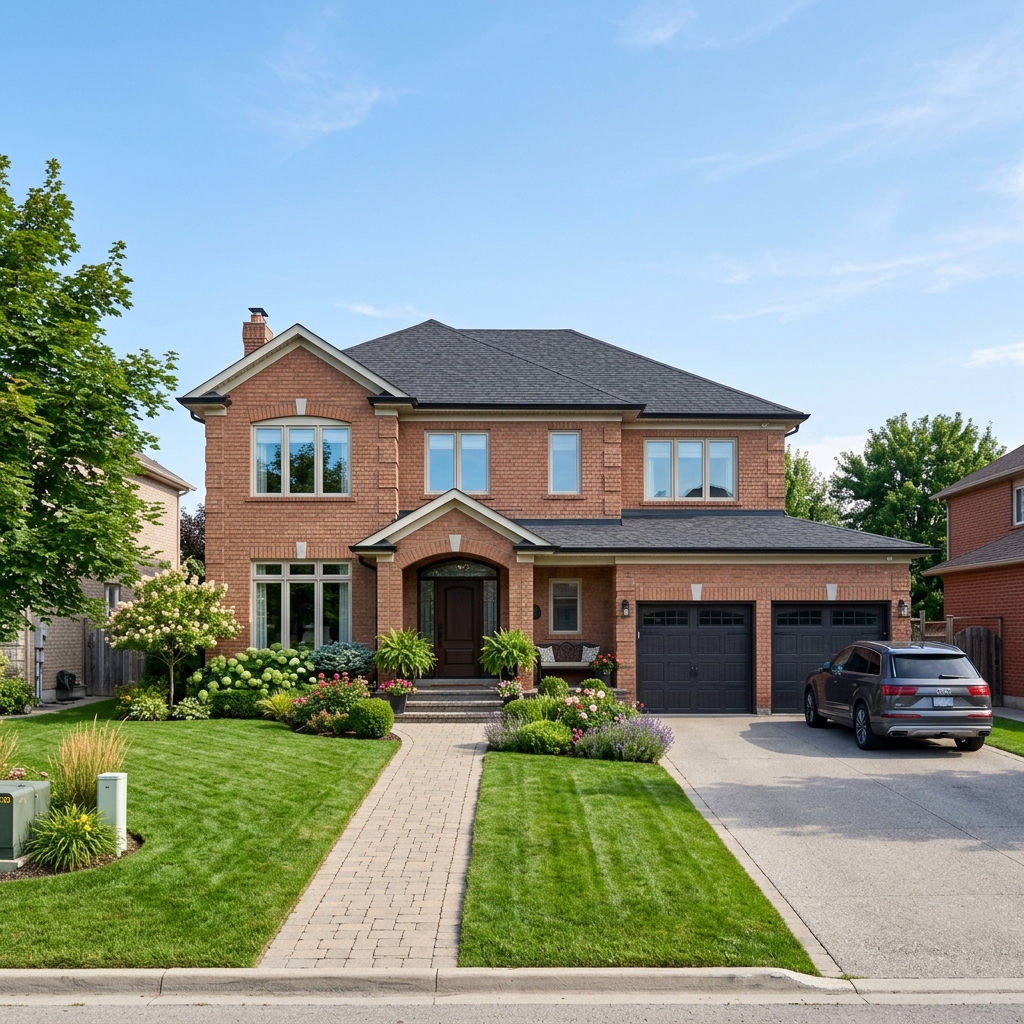
Our flagship exterior structural barrier targets the full perimeter of your home — foundations, soffits, window frames, eaves, and all entry points. Repels and eliminates spiders, ants, and crawling insects before they enter.
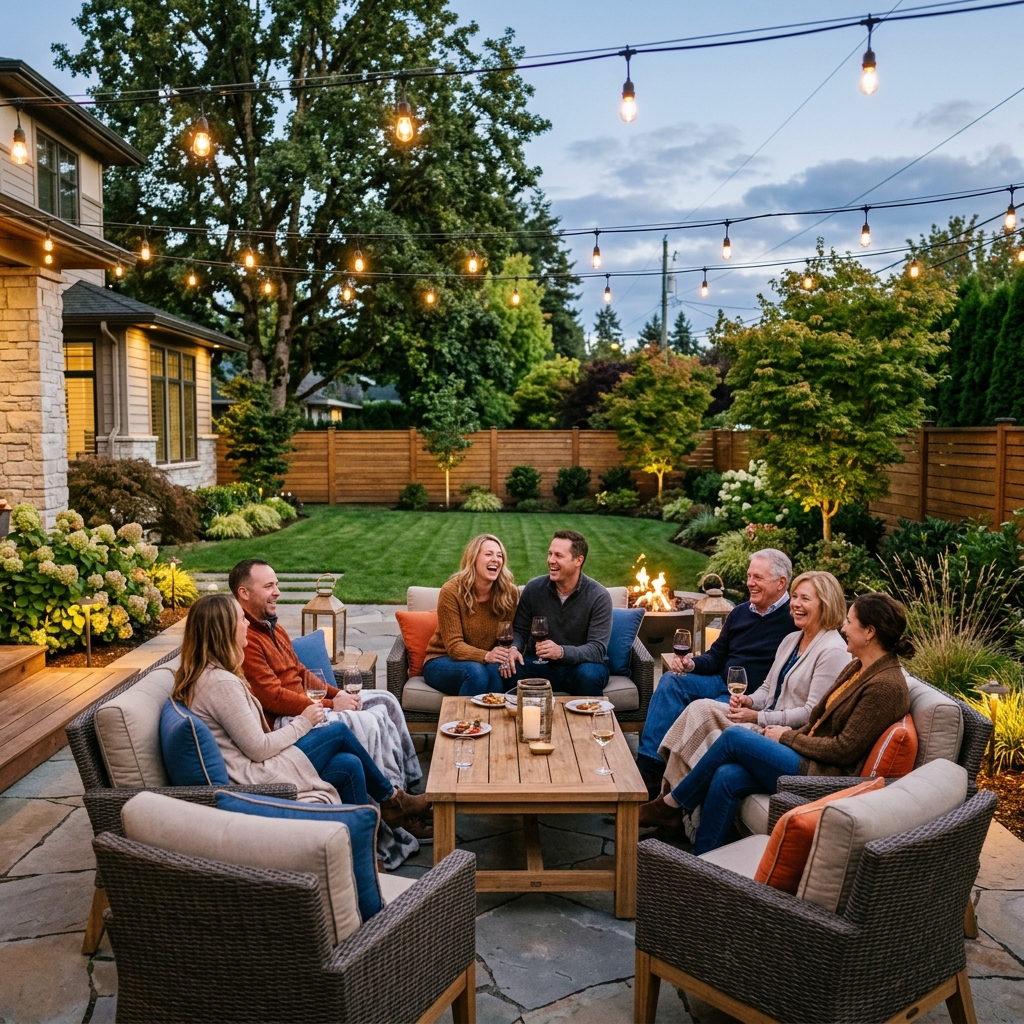
A comprehensive yard-level barrier applied to shaded vegetation, ornamental shrubs, deck skirting, and property borders. Reduces adult mosquito and tick populations around your outdoor living space.
SpiderShield™ perimeter barrier
SpiderShield™ creates an invisible exterior barrier that prevents more than just spiders — blocking ants, earwigs, crickets, and other seasonal crawlers from entering your home.
Wherever You Need Us
From the shores of Lake Erie to cottage-country docks — if bugs are a problem, we’re already on the way.
Spider Squad is an owner-operated family business — not a national franchise or outsourced call centre. Our certified technicians live in the communities we serve, ensuring rapid dispatch, personal accountability, and treatments engineered for Southern Ontario's pest pressures.
Don’t Let Spiders Take Over

Tell us about your property and we’ll respond within hours to book your service. No obligation, no pressure.
Personalize pest outlooks, live condition alerts, and dispatch availability for your area.