Ant Control via SpiderShield™ Protection
Ants enter Ontario homes in search of food and shelter. Our SpiderShield™ House & Foundation Protection creates an exterior barrier that intercepts pavement ants, carpenter ants, and other crawling pests at the perimeter before they ever reach your kitchen.
Ants become active in early spring as soil temperatures rise. Colony expansion peaks during hot summer months (June to August) when worker ants forage aggressively for food and water. Exterior perimeter barriers intercept nesting queens and workers before they establish indoor trails in kitchens and foundations.
Ant species in Ontario are not all the same problem. Understanding which ant you have determines the right treatment approach.
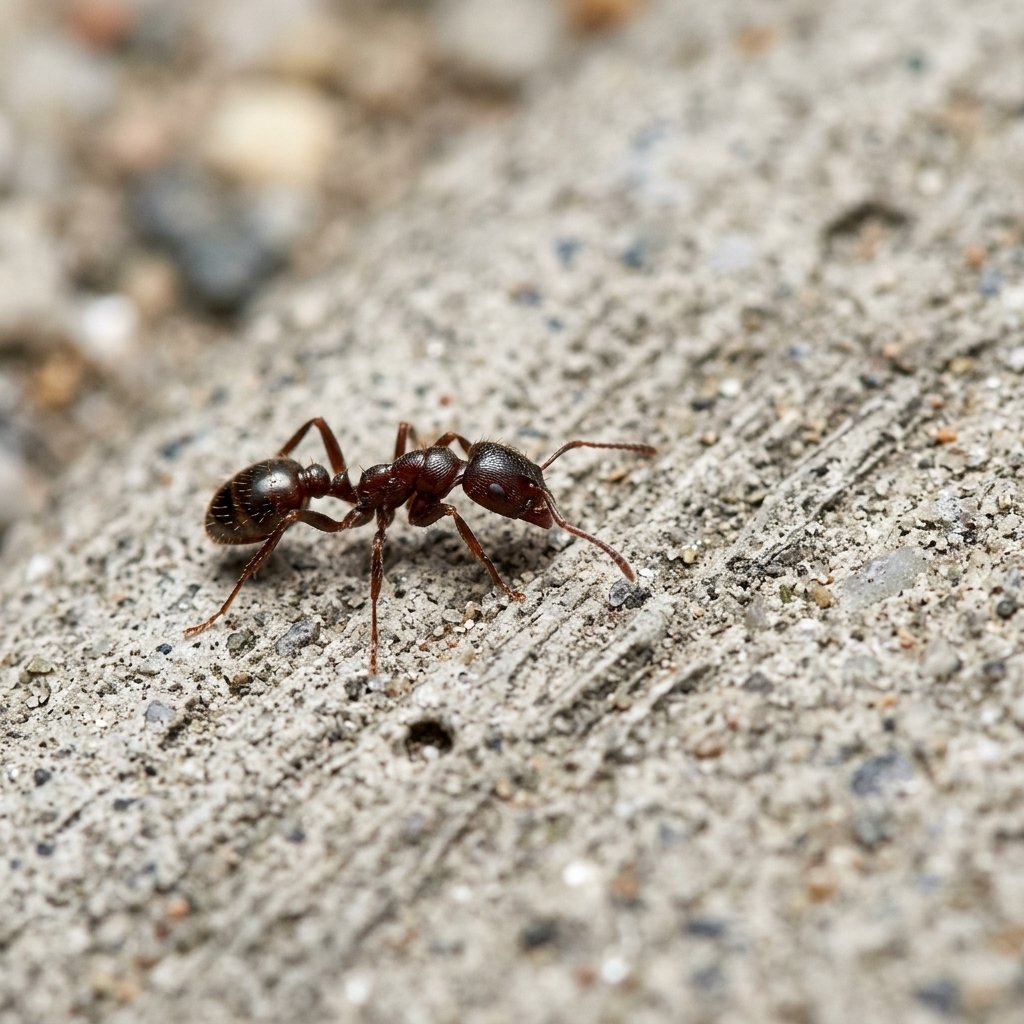
Small, dark ants that nest under slabs, driveways, and along foundation footings. They trail inside seeking sugars and proteins - especially in spring when colonies are expanding. Exterior residual treatment disrupts trails within days.
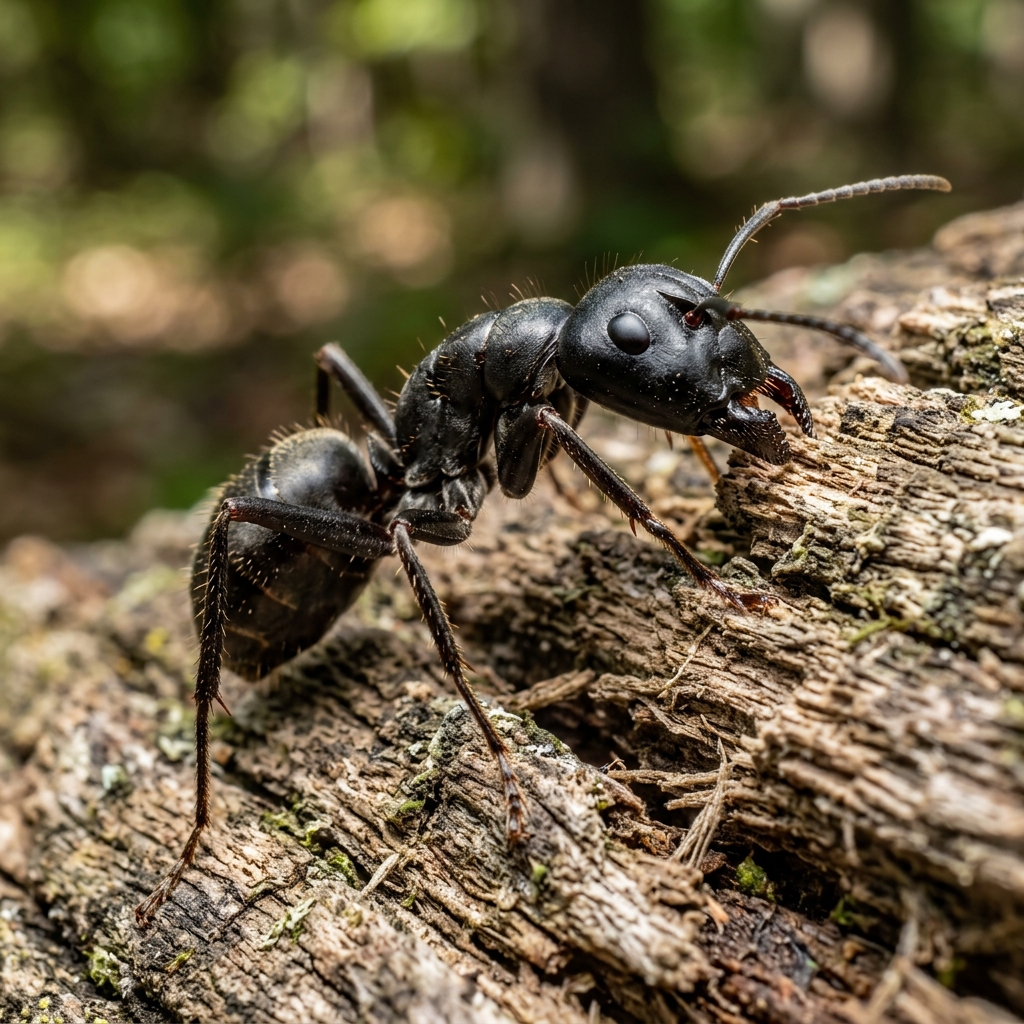
Ontario's largest house-invading ant (6–12 mm). Carpenter ants excavate softened or moisture-damaged wood to build satellite nests. They don't eat wood - but the galleries they create weaken structural members over time. Treatment targets both exterior foraging trails and interior entry points.
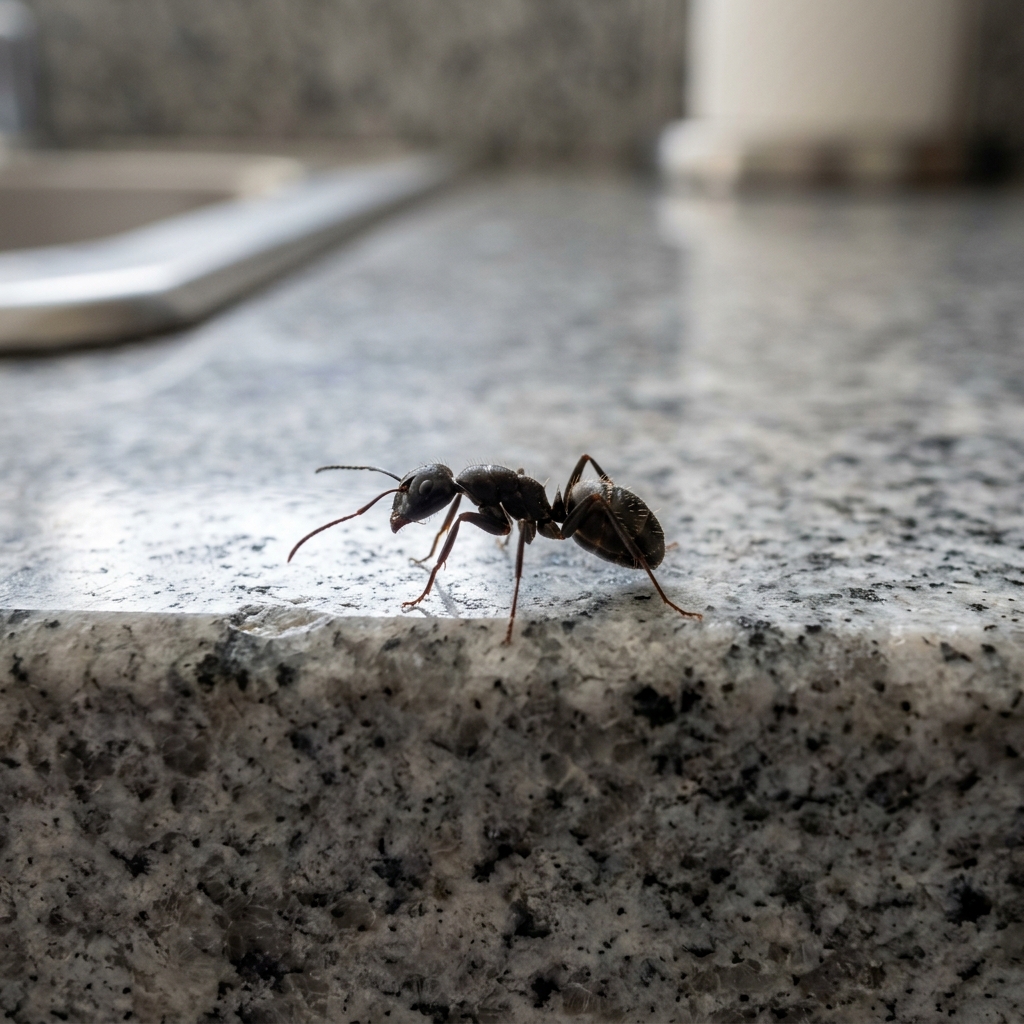
Tiny dark ants named for the coconut-like smell when crushed. They nest in wall voids, under flooring, and in soil near the foundation. Multiple queens make colonies difficult to eradicate - consistent exterior treatment is the most reliable long-term approach.
Our treatment strategy targets ants at the foundation perimeter - the choke point between their outdoor nests and your indoor spaces.
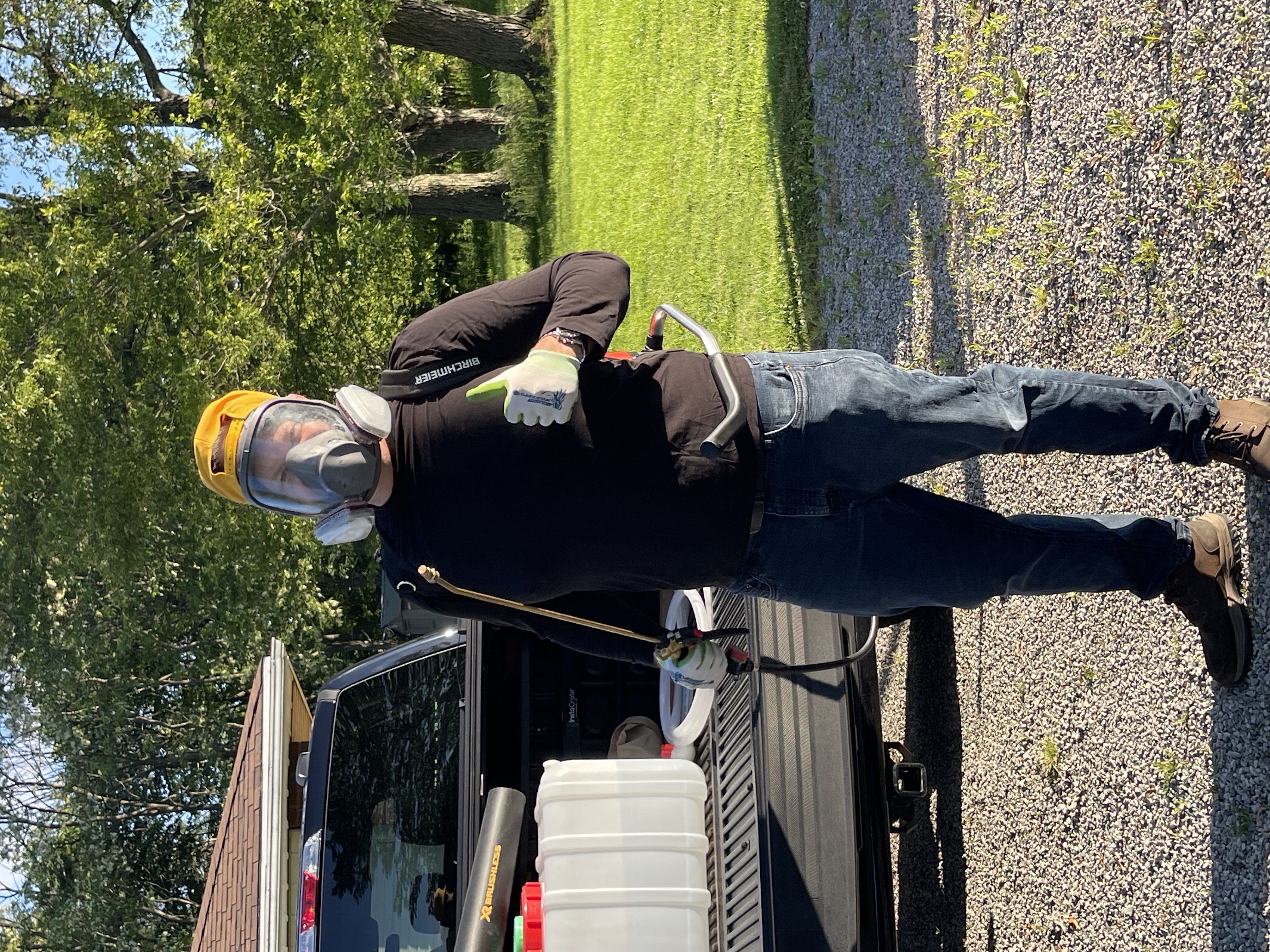
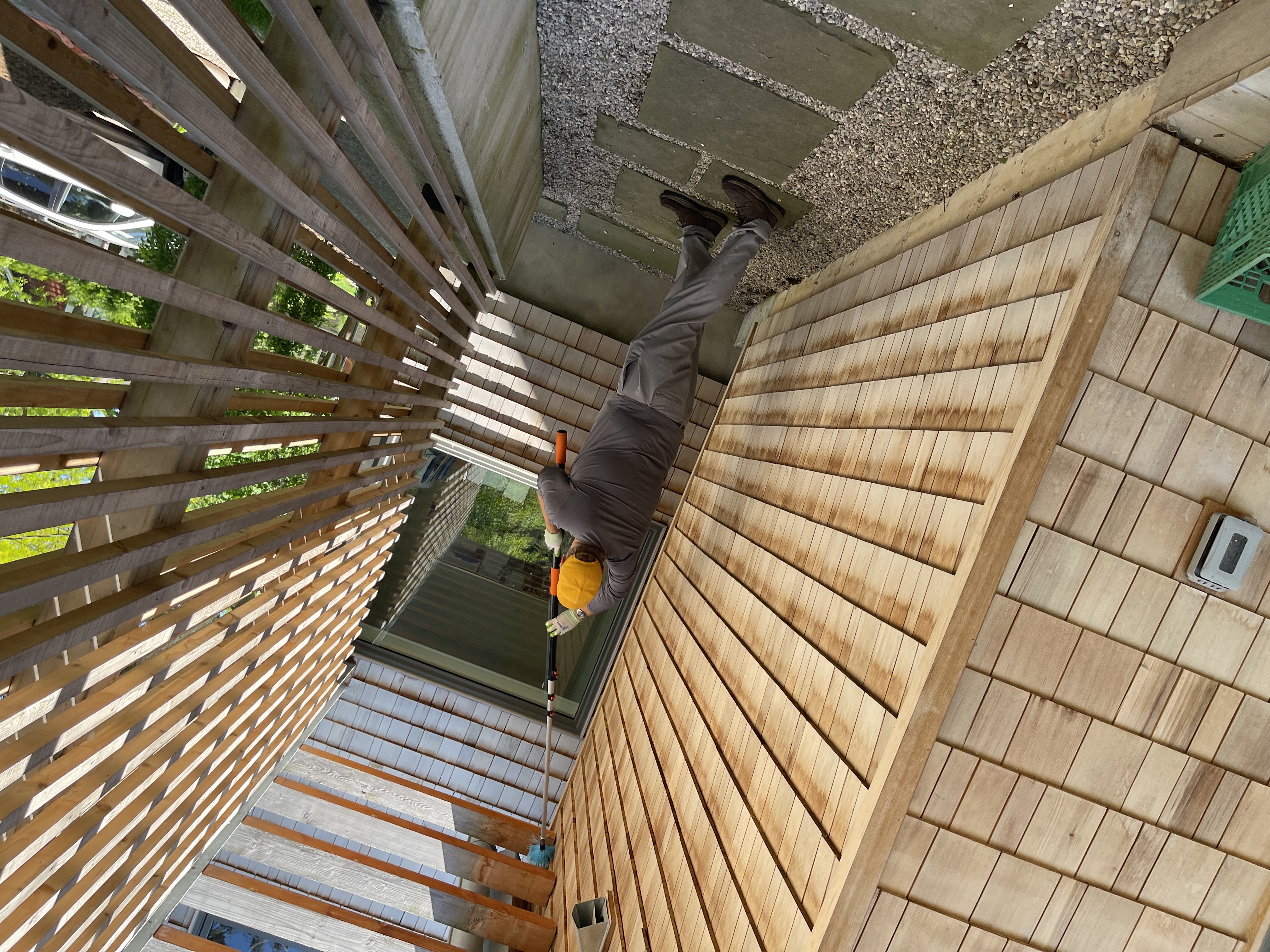
We apply our SpiderShield™ structural barrier along the full foundation line, covering the lower 2–3 feet of exterior wall and 1–2 feet of adjacent ground. Ants must cross this treated zone to reach any entry point.
Gaps around pipes, weep holes, window sills, door thresholds, and utility penetrations receive focused application. These micro-gaps are where pavement ants and carpenter ants most commonly enter.
Visible ant trails along pavement edges, garden borders, and fence lines are treated to disrupt established foraging patterns. Breaking these pheromone trails reduces reinvasion pressure significantly.
All-In-One Protection: Since ant control is delivered via our SpiderShield™ House & Foundation Protection package, your home is automatically protected against spiders, earwigs, crickets, and other crawling pests during the same application.
Carpenter ants are a distinct problem from small pavement ants. They're harder to eliminate for several reasons:
| Factor | Pavement Ants | Carpenter Ants |
|---|---|---|
| Nest Location | Under slabs, soil near foundation | Decaying wood, wall voids, roof structures |
| Colony Size | 3,000–5,000 workers | 3,000–10,000 workers (satellite colonies too) |
| Structural Risk | None | Wood gallery excavation over time |
| Exterior Treatment Effectiveness | Very High | High for trails; limited for established indoor nests |
| Indoor Signs | Trails near food | Sawdust (frass) near wood, winged ants indoors |
If you're seeing large black ants (6 mm+) or winged ants emerging from walls, call us for an assessment. Early treatment prevents the gallery expansion that leads to structural repair costs.
Book a foundation perimeter treatment. Spring slots fill fast across all regions.
Call 905-935-7498 All ServicesPremium Protection
Fall is when crawlers leave the yard and look for a way in. Choose the protection barrier your property needs — simple, professional, and guaranteed.
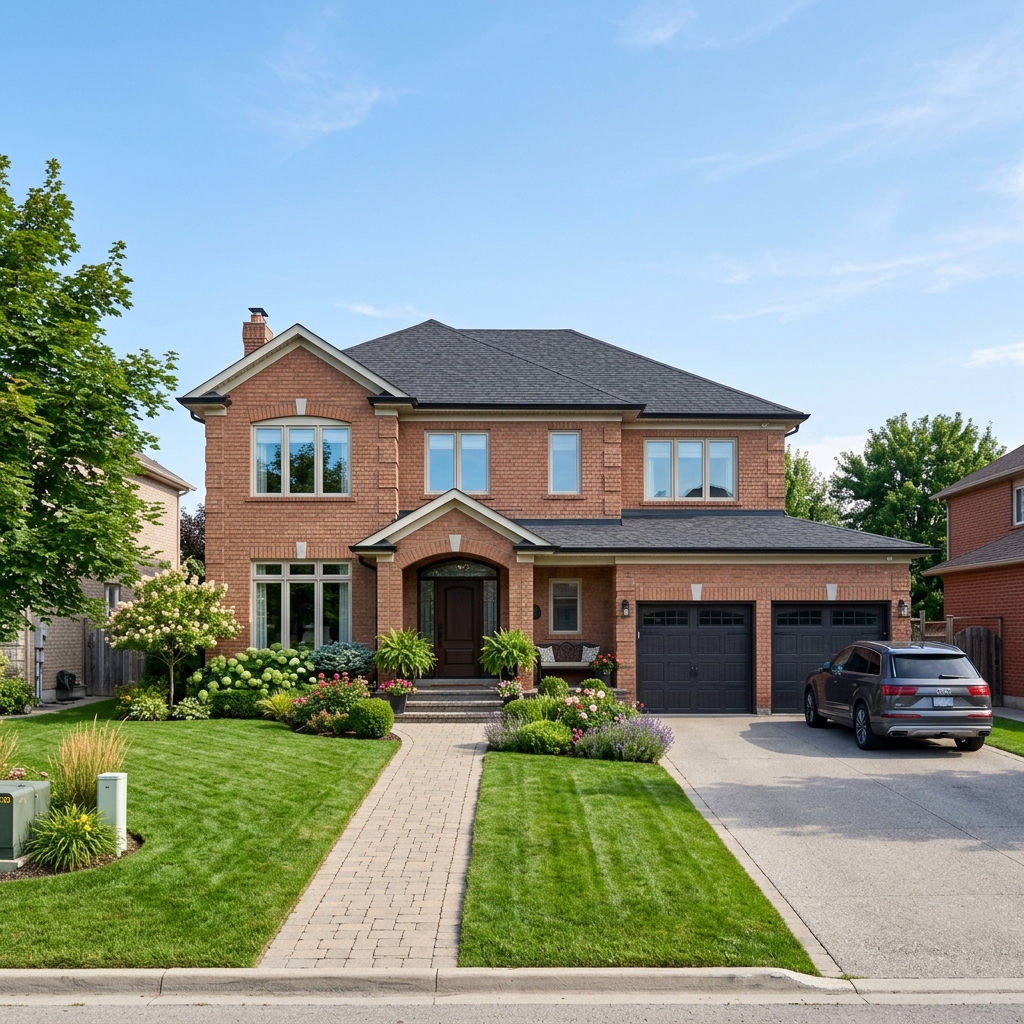
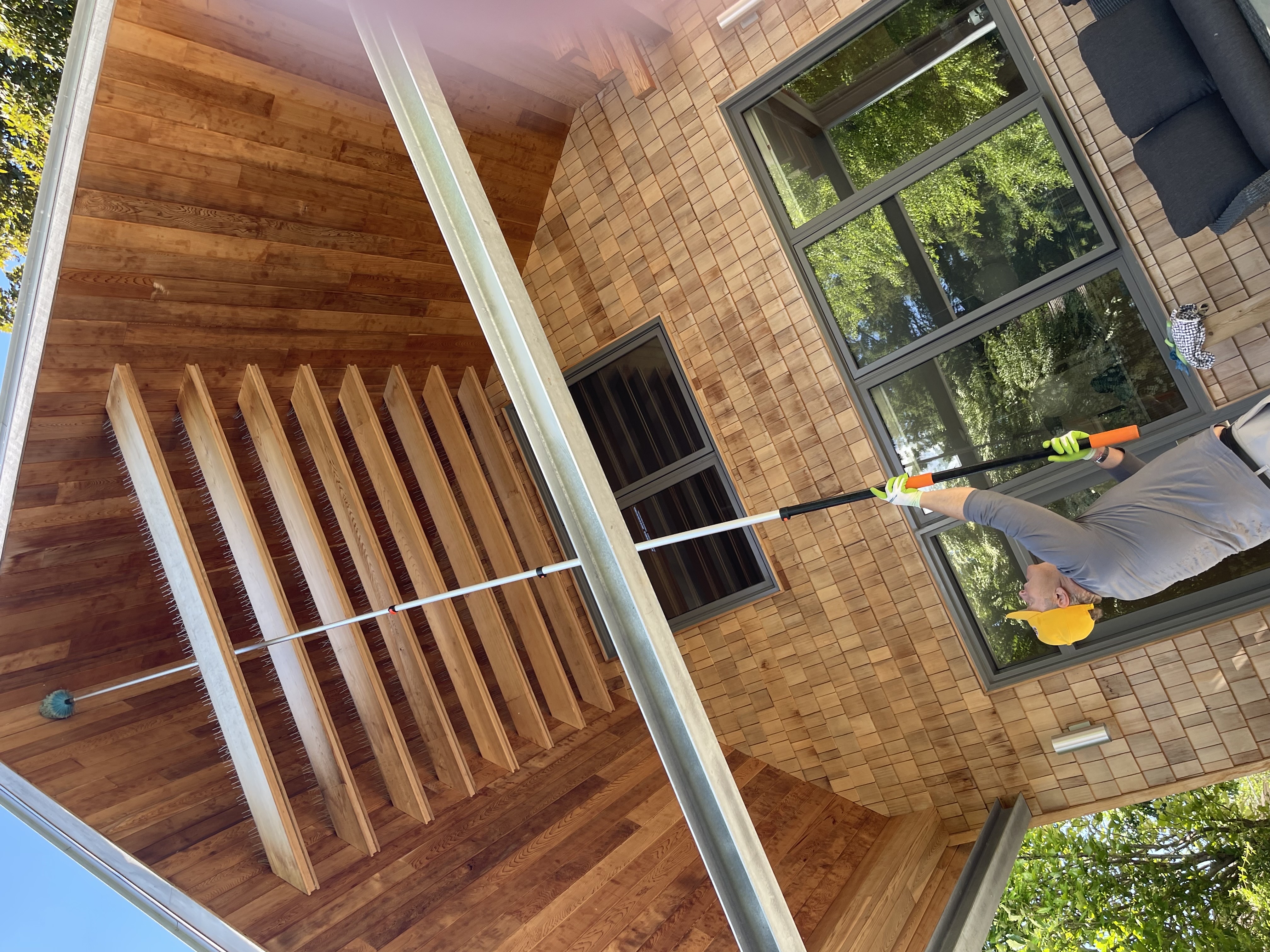
Our flagship exterior structural barrier targets the full perimeter of your home — foundations, soffits, window frames, eaves, and all entry points. Repels and eliminates spiders, ants, and crawling insects before they enter.

A comprehensive yard-level barrier applied to shaded vegetation, ornamental shrubs, deck skirting, and property borders. Reduces adult mosquito and tick populations around your outdoor living space.
SpiderShield™ perimeter barrier
SpiderShield™ creates an invisible exterior barrier that prevents more than just spiders — blocking ants, earwigs, crickets, and other seasonal crawlers from entering your home.
Wherever You Need Us
From the shores of Lake Erie to cottage-country docks — if bugs are a problem, we’re already on the way.
Spider Squad is an owner-operated family business — not a national franchise or outsourced call centre. Our certified technicians live in the communities we serve, ensuring rapid dispatch, personal accountability, and treatments engineered for Southern Ontario's pest pressures.
Don’t Let Spiders Take Over

Tell us about your property and we’ll respond within hours to book your service. No obligation, no pressure.
Personalize pest outlooks, live condition alerts, and dispatch availability for your area.