Seasonal Spider Control
Every August and September, Ontario's spiders migrate from gardens and foundations into homes. It happens on the same schedule every year - and it's preventable with the right exterior treatment at the right time.
Ontario homeowners experience the same pattern year after year: summer passes with the occasional spider sighting, then suddenly - in late August and September - spiders seem to appear everywhere. In corners, along baseboards, scurrying across floors. This isn't random. It's a predictable seasonal migration driven by biology and temperature.
As nights cool and outdoor temperatures drop below 10 degrees Celsius, spiders that spent the summer in garden beds, mulch, wood piles, and foundation plantings begin moving toward warmth. Your home's foundation cracks, weep holes, window frames, utility line gaps, and eavestroughs provide exactly the shelter they're looking for. Without a barrier in place, dozens of spiders can enter a single home over the course of the fall season.
The good news: the timing is consistent enough that it can be intercepted. A properly timed exterior treatment in mid-to-late August creates a barrier that eliminates spiders on contact with treated surfaces - stopping the migration before it reaches your interior.
Most fall spider activity in Ontario homes involves three species - all harmless, but unwelcome indoors.
Parasteatoda tepidariorum. The brown cobweb spinner you find in corners, ceiling junctions, and window frames. Females can produce multiple egg sacs per season - each containing 100-400 eggs. A single undetected female in August can establish a significant population by October.
Lycosidae. Large, fast-moving, and alarming to encounter - wolf spiders don't build webs. They hunt on the ground and are most often found crossing floors, entering through gaps in door sweeps, and sheltering behind appliances. Their size and speed make them the most startling of Ontario's common fall invaders.
Pholcus phalangioides. The long-legged "daddy long-legs" that establishes in basements, crawl spaces, and garages. Cellar spiders thrive in low-light, low-temperature environments and reproduce year-round indoors. What starts as a few in fall can become a dense population by the following spring.
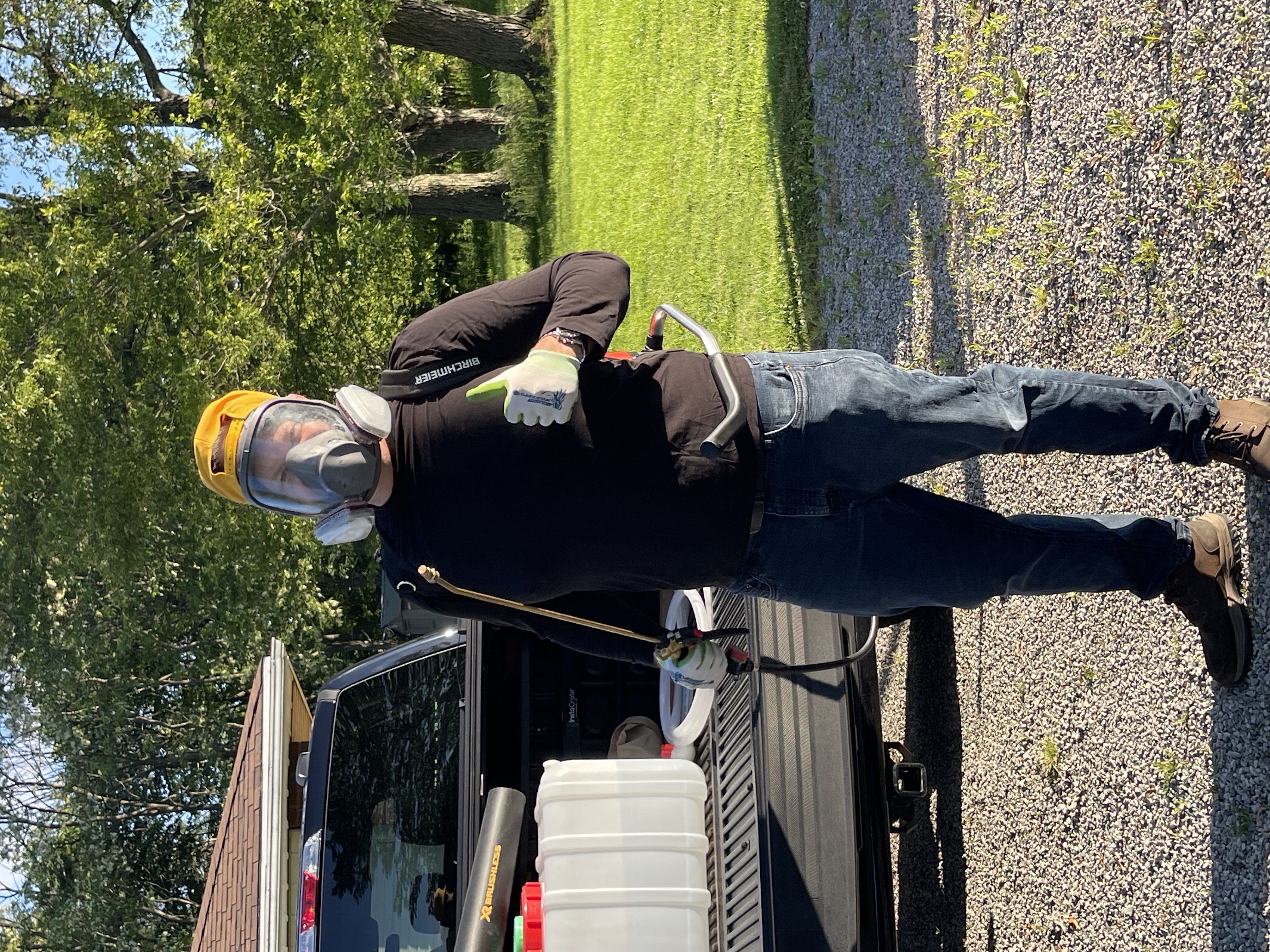
Spider Squad's fall treatment strategy focuses on the exterior of your home - stopping spiders before they get inside rather than chasing them once they're already in.
We apply our professional-grade, PMRA-registered treatment along the full perimeter of your home's foundation - the primary migration pathway. Spiders crossing the treated surface are eliminated on contact. The barrier stays effective on exterior surfaces for 3 to 6 months under Ontario outdoor conditions.
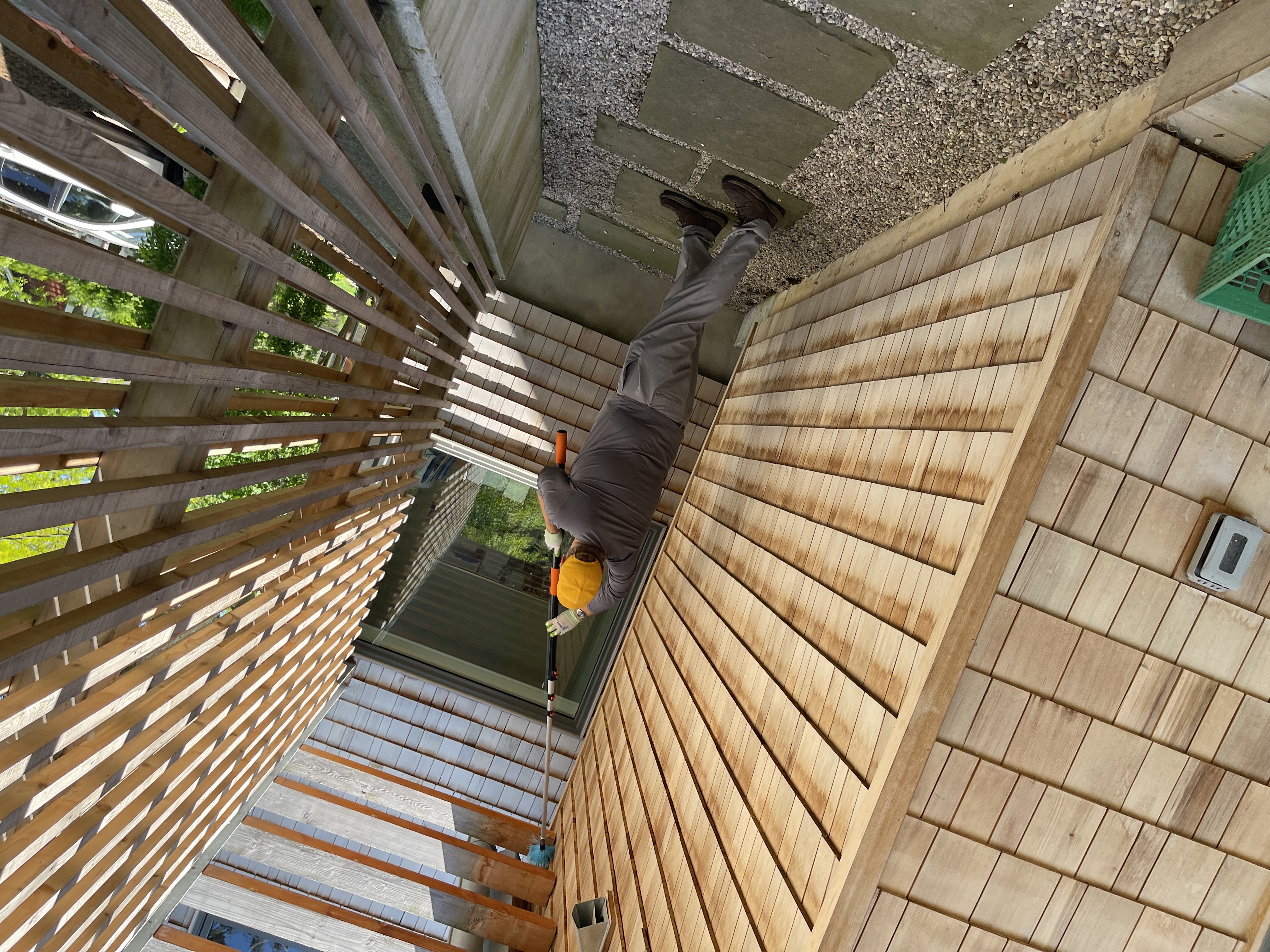
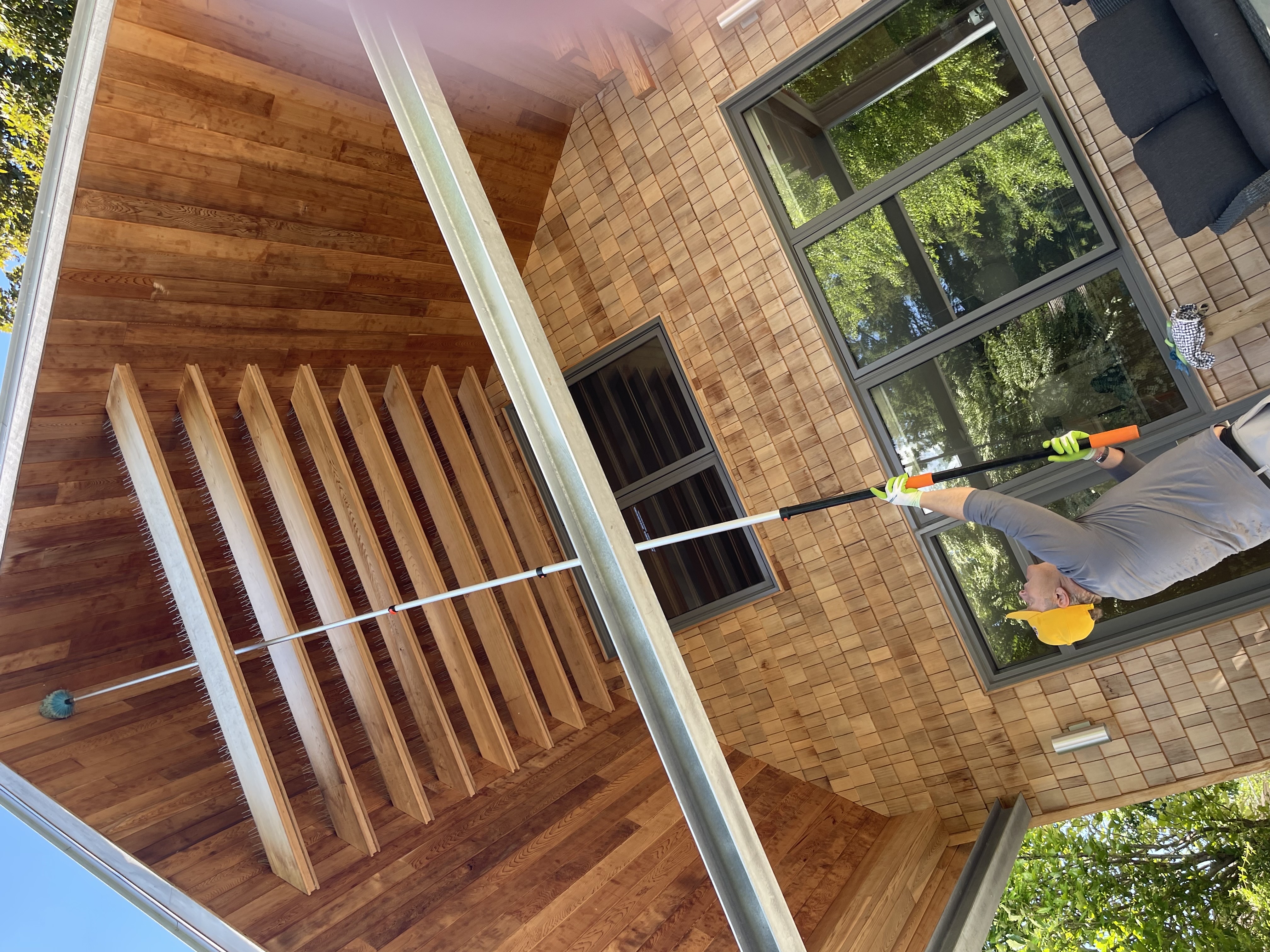
We target the specific areas spiders use to enter: window frames and sills, door frames and thresholds, weep holes in brick, utility line penetrations (gas, electrical, plumbing), eavestroughs, and any visible foundation cracks. These are the gaps that let the migration cross from outside to in.
We treat foundation plantings, mulch beds, wood piles, and any organic material stored against the house - the staging areas where spiders congregate before attempting to enter. Reducing the population in these zones cuts the number attempting entry.
If you're booking after spiders are already present indoors, we add an interior perimeter treatment along baseboards, in utility rooms, and at crawl space entries. Combined with the exterior barrier, this addresses both the existing population and ongoing entry.
Timing matters. The most effective fall treatment window is mid-August through mid-September - before peak migration, so the barrier is already in place when spiders begin moving.
Spiders are at maximum density in gardens, under decks, and around foundations. No indoor pressure yet, but populations building. Annual maintenance plan clients receive their summer treatment this month.
Nights begin cooling. Male spiders start roaming. Migration pressure begins building on foundations and entry points. A treatment now places the barrier in position before the peak rush. Ideal booking window.
Indoor spider sightings spike across Ontario. The migration is active. Treatment is still highly effective at stopping ongoing entry and eliminating spiders in contact with treated surfaces. Book as soon as possible.
Outdoor temperatures drop below 5°C and migration activity slows. Spiders already inside are now established. Treatment at this stage focuses on interior perimeter to address the existing population and prevent further entry through remaining warm periods.
Most migration is done. Spiders inside your home are overwintering. An annual maintenance plan starting the following spring is the most effective way to prevent the cycle from repeating.
Why do I suddenly have so many spiders in my house in the fall?
In Ontario, spider activity peaks from late August through October. As outdoor temperatures drop, spiders that spent the summer in gardens, wood piles, and foundation plantings begin seeking warmth. Your home's foundation, eavestroughs, window frames, and gaps around utility lines become entry points. You're not getting an infestation - you're seeing the natural seasonal migration that happens every year. A late-summer exterior barrier treatment intercepts them before they get inside.
When does fall spider season start in Ontario?
Spider movement toward structures typically begins in late August and peaks in September and October. The trigger is cooling nights, reduced prey insect activity outdoors, and the spiders' instinct to find overwintering shelter. In southern Ontario, this window runs from approximately August 20 through the end of October, depending on the year's weather pattern.
What spiders are most common inside Ontario homes in the fall?
The most common species are the common house spider (Parasteatoda tepidariorum), the cellar spider (Pholcus phalangioides), and wolf spiders (Lycosidae). Male spiders are especially visible in fall because they leave their webs and roam actively in search of mates before temperatures drop further.
Is it too late to treat if spiders are already inside?
Not too late - but the strategy shifts. If spiders are already inside, treatment focuses on the interior perimeter combined with an exterior barrier to stop additional entry. Stopping the inflow reduces the problem faster than treating indoors alone.
When is the best time to book a fall spider treatment?
Mid-August to early September, before the migration peaks. This allows the exterior barrier to be in place and cured when spiders begin moving. Treatment is still effective throughout September and October - you'll stop ongoing entry and eliminate spiders on contact with treated surfaces.
How long does a fall spider treatment last?
Our treatment bonds to exterior surfaces and remains effective for 3 to 6 months under typical Ontario outdoor conditions. A treatment applied in August or September will carry residual protection through the entire fall migration window and into early winter.
Beat the Fall Rush
The August-September window fills up fast. Call now to secure your preferred treatment date before the fall migration peaks.
📞 905-938-7498 View All ServicesPremium Protection
Choose the protection barrier your property needs. Simple, professional, and guaranteed.

Our flagship exterior structural barrier targets the full perimeter of your home — foundations, soffits, window frames, eaves, and all entry points. Repels and eliminates spiders, ants, and crawling insects before they enter.

A comprehensive yard-level barrier applied to shaded vegetation, ornamental shrubs, deck skirting, and property borders. Reduces adult mosquito and tick populations around your outdoor living space.
SpiderShield™ perimeter barrier
SpiderShield™ creates an invisible exterior barrier that prevents more than just spiders — blocking ants, earwigs, crickets, and other seasonal crawlers from entering your home.
Wherever You Need Us
From the shores of Lake Erie to cottage-country docks — if bugs are a problem, we’re already on the way.
Spider Squad is an owner-operated family business — not a national franchise or outsourced call centre. Our certified technicians live in the communities we serve, ensuring rapid dispatch, personal accountability, and treatments engineered for Southern Ontario's pest pressures.
Don’t Let Spiders Take Over

Tell us about your property and we’ll respond within hours to book your service. No obligation, no pressure.
Personalize pest outlooks, live condition alerts, and dispatch availability for your area.