✅ Licensed & Insured 🌿 Safe for Families & Pets ⚡ Same-Week Service 🛡️ Results Guaranteed 📍 Serving All of Southern Ontario

Spider Identification Guide

Common House Spider

The most frequently encountered spider in Ontario homes. Responsible for the vast majority of cobwebs you find in corners, window frames, and basements across Southern Ontario.

Common house spider (Parasteatoda tepidariorum) - the most frequently found spider inside Ontario homes
Scientific Name
Parasteatoda tepidariorum
Family
Theridiidae (cobweb spiders)
Size
4 to 9mm body length
Colour
Brown to tan with a mottled, dirty-looking abdomen and faint banding on the legs
Web Type
Irregular, three-dimensional cobweb - messy and non-symmetrical
Season in Ontario
Year-round indoors; most visible August through October when populations peak
Typical Habitat
Window frames, upper corners of rooms, basements, garages, storage areas
Danger to Humans
Very Low

The common house spider is exactly what its name suggests: the default spider of the Ontario home. If you have seen a messy, irregular cobweb in the corner of a room, along a window frame, in a basement corner, or stretched across a garage shelf - you have seen the work of Parasteatoda tepidariorum.

Unlike orb weavers, which build the symmetrical circular webs you see outdoors, house spiders build three-dimensional tangle webs that are deliberately messy. The structure is designed to trip insects that fly or walk through, causing them to fall and become tangled. House spiders are patient hunters - they build and wait rather than pursue prey.

Most Ontario homeowners encounter house spiders not by seeing the spider itself, but by walking into a web or noticing the accumulating cobwebs in undisturbed areas of the home. The spiders are small and fast, retreating to a funnel or hiding place at the slightest vibration.

In Ontario

Common house spiders are one of the most abundant spider species in Southern Ontario and are present in virtually every home, garage, and outbuilding in the province. They thrive in the same conditions people create: warm, sheltered environments with plenty of small insects to feed on.

They are year-round residents indoors. Unlike species that enter homes only in fall, the common house spider completes its entire life cycle inside your home. A single female can produce up to 250 eggs per sac and multiple sacs during her lifetime, which is why populations build up quickly in undisturbed areas.

Peak web-building activity and population visibility occurs in late summer and fall when the current year's juveniles reach maturity and males begin actively searching for females. This is when most homeowners notice a sudden increase in cobwebs.

Frequently Asked Questions

Are common house spiders dangerous?

No. Common house spiders in Ontario are not medically significant. They rarely bite humans and, if they do, the result is minor local irritation similar to a mosquito bite. They are not aggressive and will retreat when disturbed.

Why do I suddenly have so many cobwebs?

House spider populations build up over summer and become most visible in late August through October when juveniles reach maturity. Undisturbed areas accumulate webs faster because the spiders are not disturbed and continue building. Cleaning webs without eliminating the spiders only provides a temporary fix.

Do common house spiders come inside in the fall?

The common house spider is already inside year-round - it lives its entire life indoors. The increase in visible webs in fall is due to population growth through the summer, not a migration from outside. However, many other spider species do enter homes in fall, which is a separate issue.

What attracts house spiders to my home?

House spiders follow their food source: small flying insects like fruit flies, gnats, and mosquitoes. Any home with insect activity will support house spiders. Moisture, gaps around windows and doors, and undisturbed storage areas create ideal harbourage conditions.

How does Spider Squad eliminate house spiders?

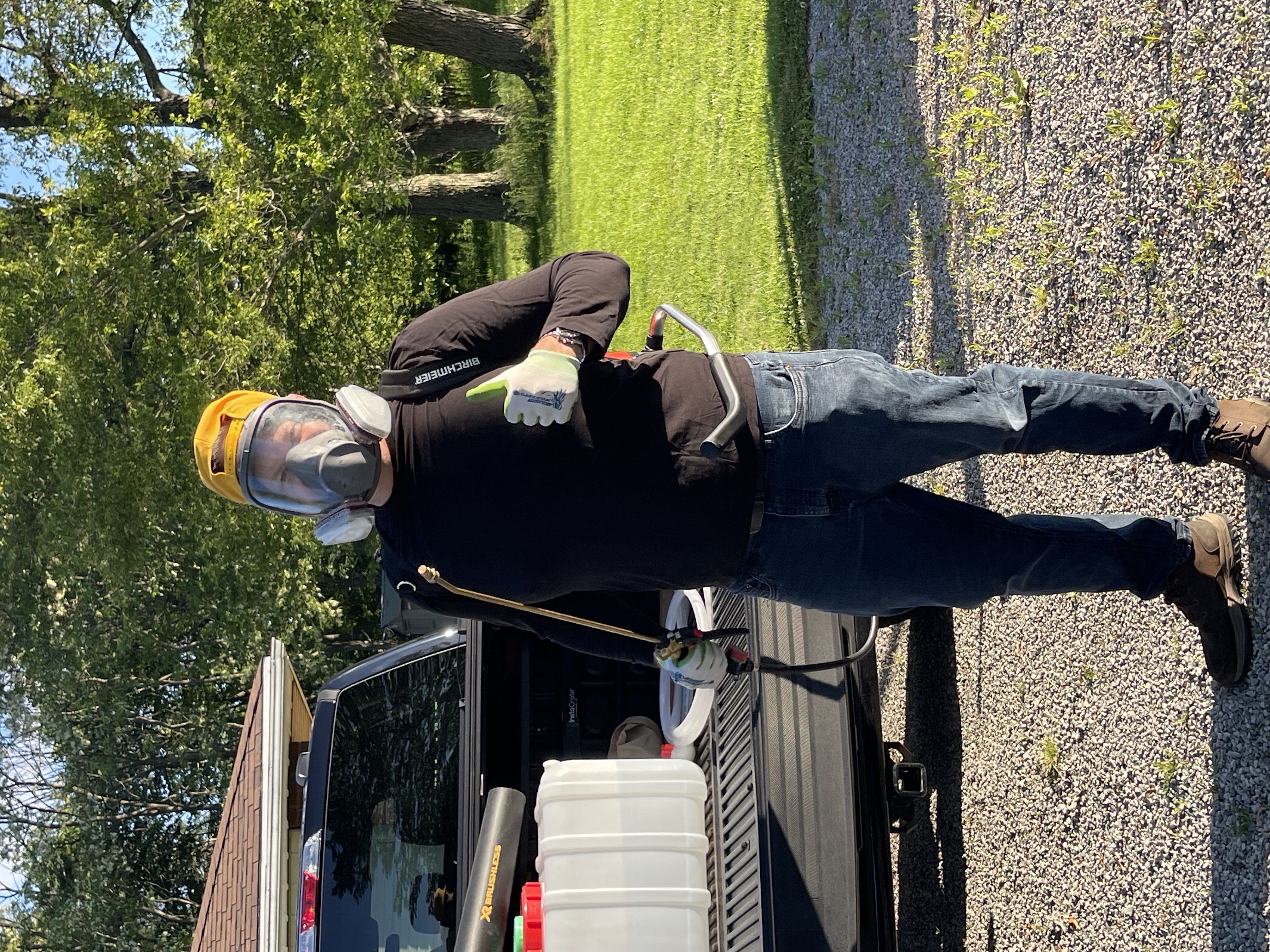
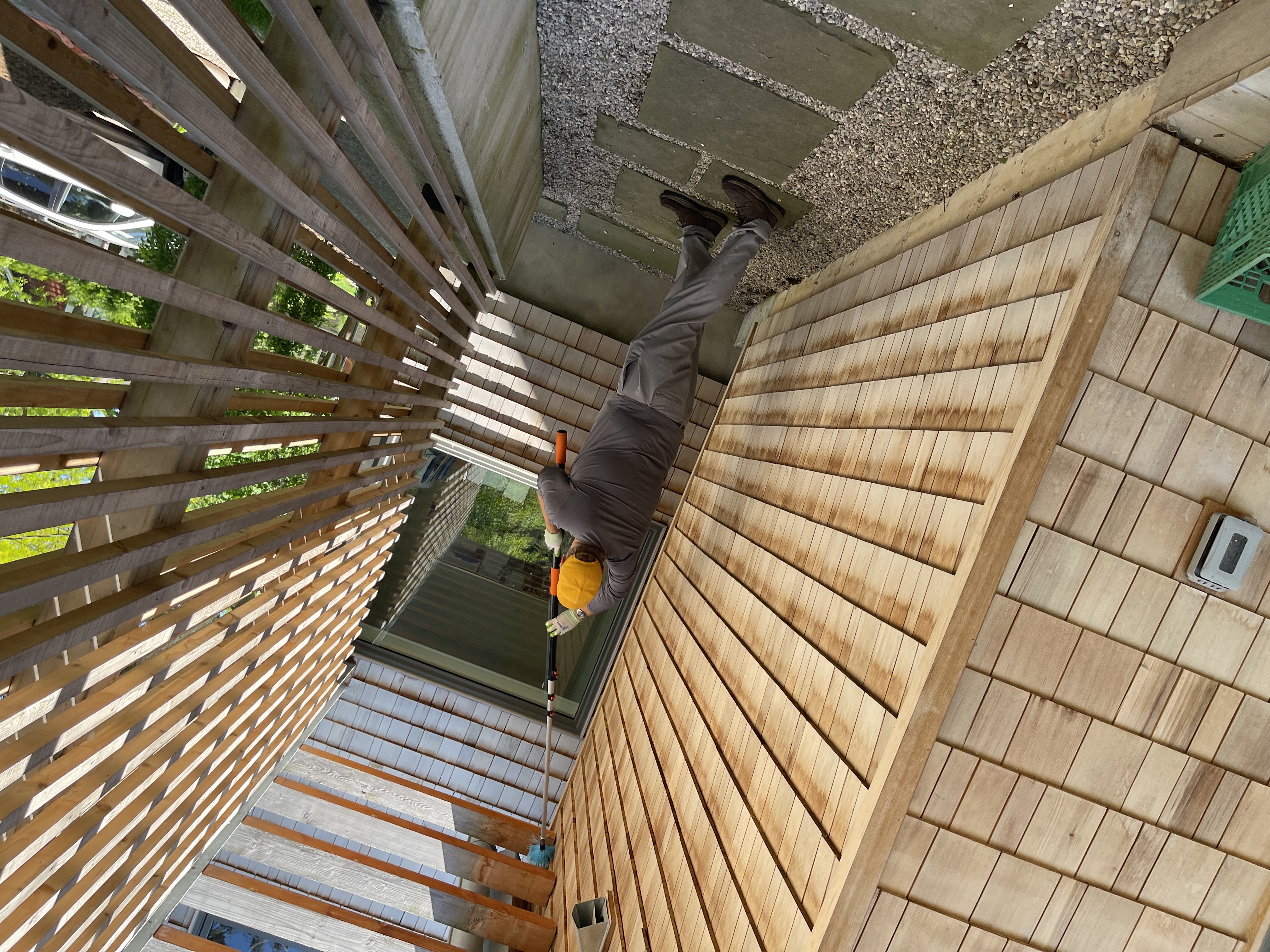
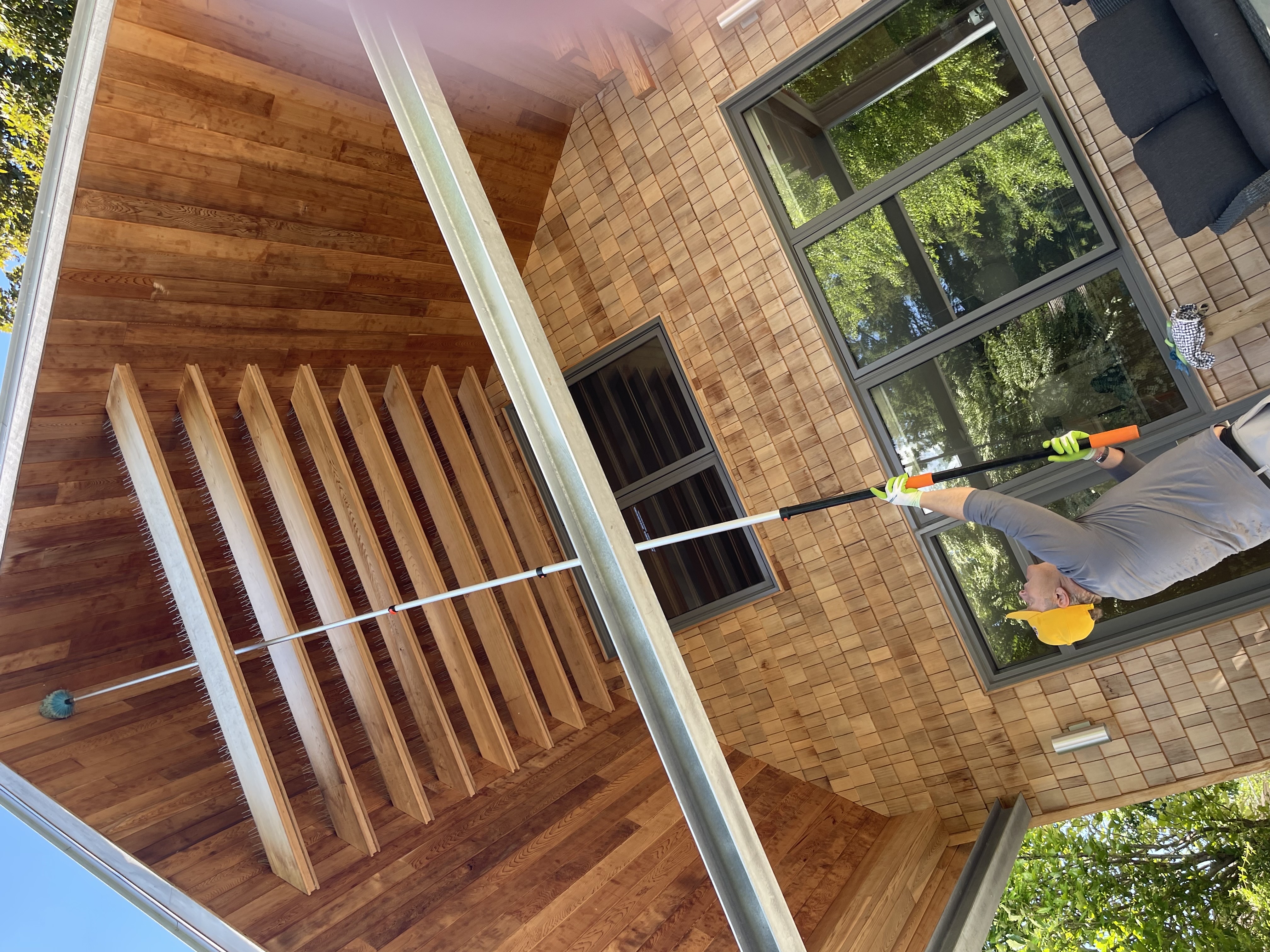
We apply our professional-grade treatment to the exterior perimeter of your home, targeting foundations, window frames, door frames, soffits, and eaves. The bifenthrin-based barrier eliminates house spiders on contact and repels new ones from entering. We also eliminate the insect populations they feed on, removing the food source that sustains indoor spider populations.

Spider Control Across Ontario

Get a Free Quote from Spider Squad

Find your region and request a quote. We respond within hours and offer same-week service across Southern Ontario.

📞 905-935-7498 Find My Region

Don't Let Spiders Take Over

Tell us about your property and we'll respond within hours to book your service. No obligation, no pressure.

Call Now (905) 935-7498