A little preparation goes a long way. When you clear the access path around your home before your Spider Squad technician arrives, we can deliver a complete, uninterrupted barrier spray that protects every inch of your foundation - the places spiders use most.
Our spider control treatment targets the foundation perimeter, soffits, window frames, doorways, and any eave or overhang where spiders anchor webs and lay egg sacs. The residual product we apply needs direct contact with those surfaces - if furniture, equipment, or stored items are blocking access, we either leave gaps in the barrier or spend your appointment time moving things instead of treating.
A complete, unobstructed perimeter spray creates the strongest possible protective barrier. Here's exactly what to do before we arrive.
Clear a clear, unobstructed 3-foot zone all the way around the exterior of your home - every wall, every corner. That's the spray path our technician needs to walk without stopping.
Chairs, tables, loungers, and ottomans should be pulled at least 3 feet from the foundation. If you have a deck, shift furniture toward the centre. Spiders love the sheltered gaps behind furniture legs - clearing these ensures the spray reaches those hidden corners.
Move all potted plants, hanging baskets, and window boxes 3 feet from the wall or temporarily inside. The soil and moist conditions in planters attract the insects spiders hunt - and the pots themselves become perfect web-building anchor points.
Coil and store garden hoses, rake handles, shovels, and other tools leaning against the house. These create perfect dark, sheltered gaps. Move them to a shed or at least out into the yard away from the foundation.
Firewood stacked against the house is one of the single biggest spider attractors in Ontario. Funnel web spiders, wolf spiders, and ground spiders thrive in woodpiles. Move any stored firewood at least 10 feet from the foundation - ideally on a raised rack. Brush piles, leaf accumulations, and rotting lumber should also be cleared.
Thick mulch beds that butt right up against the foundation block our spray and stay moist - perfect spider habitat. Rake the mulch back so there's a few inches of exposed foundation visible at the base of the wall. This also helps with moisture management that attracts the insects spiders feed on.
Bins stored against the house wall should be moved out into the yard or placed in the garage for the day of treatment. Garbage odours attract flies, which attract spiders. Bins also block our spray line along a section of foundation.
Shrubs, climbing vines, and overgrown hedges that contact the siding or foundation provide both a highway for spiders to enter and a physical barrier that blocks our application. Trim them back so there's a clear gap between foliage and your exterior walls. Even a few inches makes a significant difference.
Anything stored along the foundation - bikes, soccer nets, sandbox toys, lawn games - should be moved to the yard or garage. Helmets, shoes, and bags left on porches or near entryways should be brought inside.
Before our technician begins spraying, ensure all windows, doors, and vents that open to the exterior are closed. This is especially important at ground level. The residual spray is pet and kid safe, but direct ventilation during application is not ideal.
Pets and children should be kept indoors until the treatment has dried - typically 30 to 45 minutes after application, depending on conditions. Once dry, treated surfaces are safe to resume normal contact with.
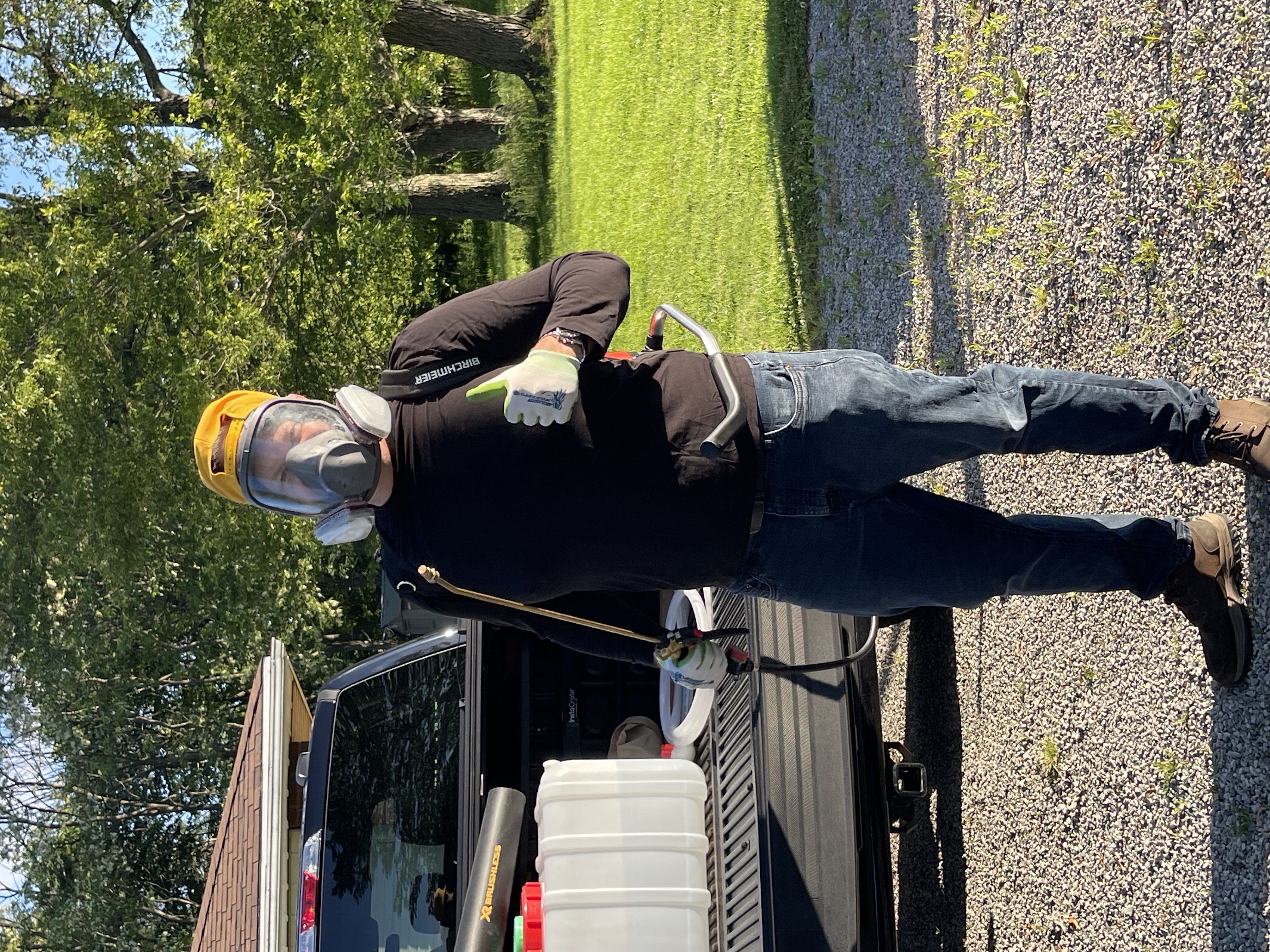
Our technician will walk the complete exterior perimeter applying a professional-grade residual insecticide to:
The base of every exterior wall is treated thoroughly. This is where ground-dwelling spiders such as wolf spiders and funnel web spiders forage, and where egg sacs are commonly attached behind gaps and cracks.
Every window frame, door frame, and threshold gets treated - particularly the corners where webs anchor most often. Sill plates and exterior trim are included in the application.
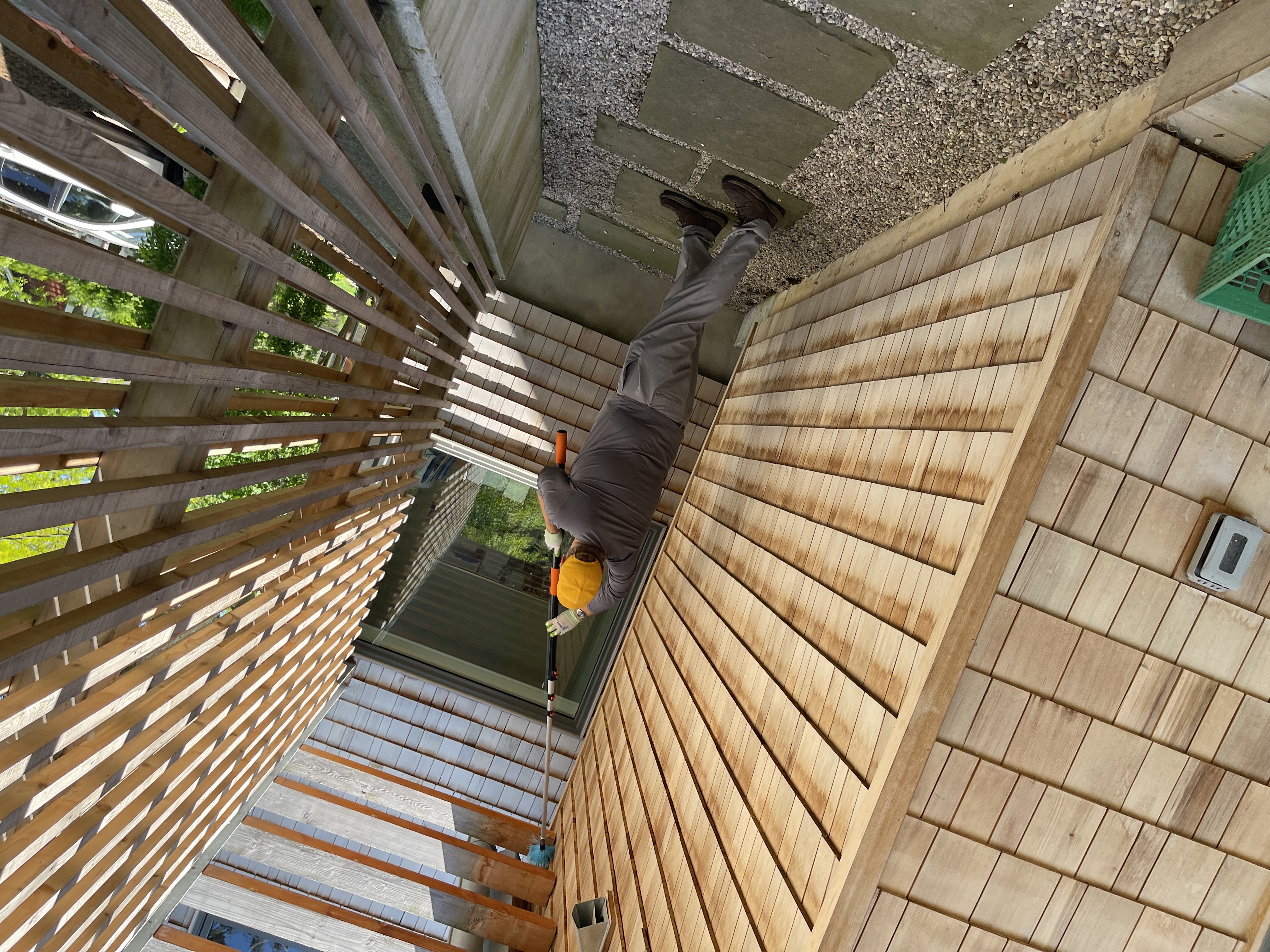
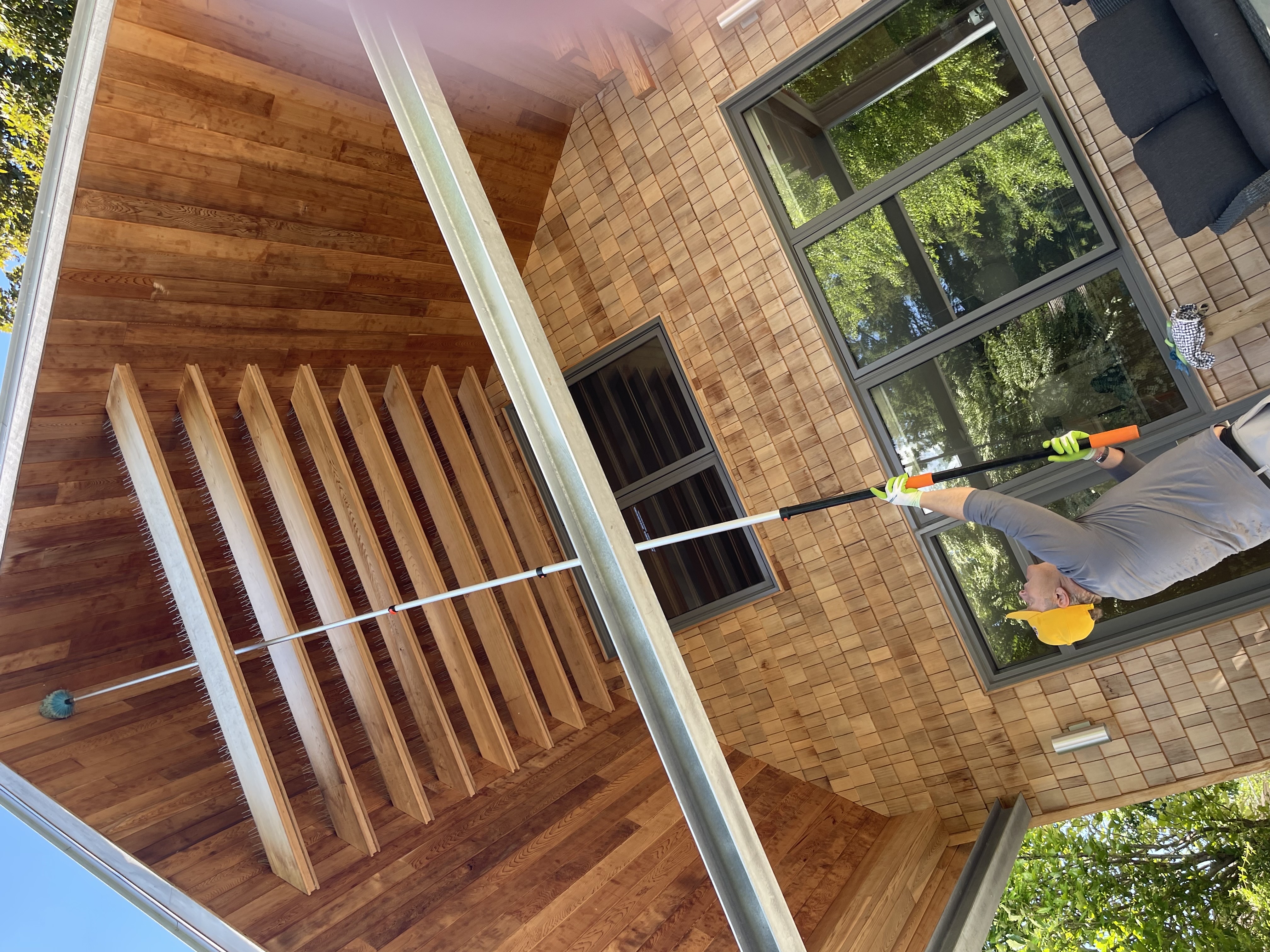
Soffits, fascia boards, and roof overhangs are treated where accessible. These areas harbour cellar spiders, orb weavers, and yellow sac spiders - species that prefer to build overhead.
The product typically remains active for 60 to 90 days depending on rainfall, surface porosity, and sun exposure. Any spider that walks across a treated surface will absorb a lethal dose. Web builders that don't walk the foundation are targeted through the eave and soffit application.
It's actually normal in the first 24–72 hours. Spiders that were nesting in the treated zone become agitated as the product activates and may move more visibly. This is a sign the treatment is working. Activity typically drops significantly within the first week.
Ready to Book?
Same-week service available across Southern Ontario. Get your quote and we'll handle the rest.
Call 905-938-7498 Find My RegionPremium Protection
Choose the protection barrier your property needs. Simple, professional, and guaranteed.

Our flagship exterior structural barrier targets the full perimeter of your home — foundations, soffits, window frames, eaves, and all entry points. Repels and eliminates spiders, ants, and crawling insects before they enter.

A comprehensive yard-level barrier applied to shaded vegetation, ornamental shrubs, deck skirting, and property borders. Reduces adult mosquito and tick populations around your outdoor living space.
SpiderShield™ perimeter barrier
SpiderShield™ creates an invisible exterior barrier that prevents more than just spiders — blocking ants, earwigs, crickets, and other seasonal crawlers from entering your home.
Wherever You Need Us
From the shores of Lake Erie to cottage-country docks — if bugs are a problem, we’re already on the way.
Spider Squad is an owner-operated family business — not a national franchise or outsourced call centre. Our certified technicians live in the communities we serve, ensuring rapid dispatch, personal accountability, and treatments engineered for Southern Ontario's pest pressures.
Don’t Let Spiders Take Over

Tell us about your property and we’ll respond within hours to book your service. No obligation, no pressure.
Personalize pest outlooks, live condition alerts, and dispatch availability for your area.