Yard Shield™ Mosquito & Tick Barrier
Blacklegged ticks carrying Lyme disease are expanding across Ontario. Our Yard Shield™ Mosquito & Tick Barrier is a targeted perimeter treatment that reduces tick encounter risk in your lawn borders, garden margins, and play area transitions.
Ticks become active whenever ground temperatures rise above 4°C. The primary peak occurs in spring (April to June) as nymphs seek hosts in tall grass, transition zones, and leaf litter. A secondary, smaller peak occurs in October. Our barrier spray targets lawn borders and wooded edges to keep ticks off your property.
Ontario has seen a significant expansion of established blacklegged tick populations over the past decade. What was once limited to a few known risk areas has spread broadly across the province due to warming temperatures and migratory bird movement.

Ixodes scapularis is the primary vector of Lyme disease in Ontario. Nymphs are the highest-risk life stage - they're tiny (1–2 mm, poppy-seed sized) and active from May through July when outdoor activity is highest. Adult ticks are active in spring and fall. Both stages require extended attachment (typically 24–36+ hours) to transmit Borrelia burgdorferi.

The larger tick most people recognize. American dog ticks (Dermacentor variabilis) do not transmit Lyme disease in Ontario but can carry Rocky Mountain Spotted Fever and cause tick paralysis in rare cases. They're common in tall grass and shrubby margins throughout southern Ontario.
Ticks are poor at dispersing on their own - they depend on hosts and habitat structure. Understanding where they concentrate helps explain why perimeter treatment is effective.
| Yard Zone | Tick Presence | Why |
|---|---|---|
| Open, mowed lawn center | Very Low | UV exposure and desiccation kill ticks; no questing vegetation |
| Lawn edge adjacent to garden/trees | High | Humid transition zone; primary questing area |
| Leaf litter piles | Very High | Ticks overwinter and shelter in leaf litter; high egg survival |
| Wood/brush piles | High | Harbors mice and chipmunks (primary tick hosts) |
| Garden border shrubs | High | Low, shaded vegetation perfect for questing posture |
| Naturalized/unmowed areas | Very High | Dense vegetation, animal traffic, moisture retention |
We target the tick habitat zones - not the open lawn your family plays on.
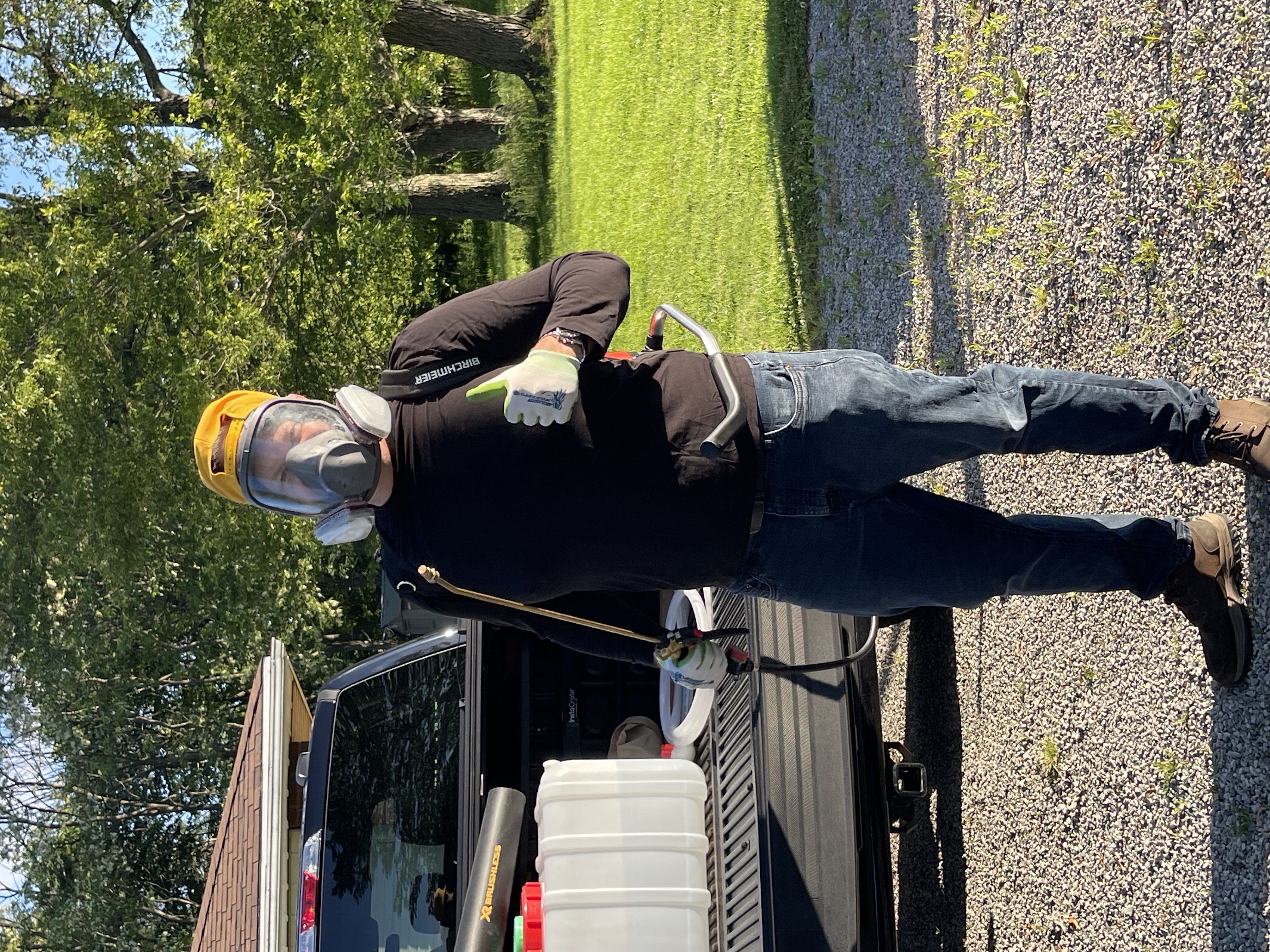
We apply Yard Shield™ to the 1–3 metre band where mowed lawn meets garden borders, shrub bases, and naturalized areas. This is where approximately 80% of tick encounters in residential yards occur.
The base of fences, stacked wood, and any dense debris along property edges are treated. These areas support the small mammal activity that sustains tick populations.
Dense ornamental shrubs and foundation plantings that hold moisture are prime tick resting habitat. We treat accessible interior zones and outer perimeters of high-density plantings.
Reduce Habitat Alongside Treatment: Remove leaf litter piles, clear wood debris from lawn edges, and keep grass mowed short along garden borders. Ticks can't survive in dry, open, sunny lawn - making the border as exposed as possible reduces habitat significantly.
Request a quote for our season-long Yard Shield™ tick plan. Prorated pricing available throughout the year.
Call 905-938-7498 All ServicesPremium Protection
Choose the protection barrier your property needs. Simple, professional, and guaranteed.

Our flagship exterior structural barrier targets the full perimeter of your home — foundations, soffits, window frames, eaves, and all entry points. Repels and eliminates spiders, ants, and crawling insects before they enter.

A comprehensive yard-level barrier applied to shaded vegetation, ornamental shrubs, deck skirting, and property borders. Reduces adult mosquito and tick populations around your outdoor living space.
SpiderShield™ perimeter barrier
SpiderShield™ creates an invisible exterior barrier that prevents more than just spiders — blocking ants, earwigs, crickets, and other seasonal crawlers from entering your home.
Wherever You Need Us
From the shores of Lake Erie to cottage-country docks — if bugs are a problem, we’re already on the way.
Spider Squad is an owner-operated family business — not a national franchise or outsourced call centre. Our certified technicians live in the communities we serve, ensuring rapid dispatch, personal accountability, and treatments engineered for Southern Ontario's pest pressures.
Don’t Let Spiders Take Over

Tell us about your property and we’ll respond within hours to book your service. No obligation, no pressure.
Personalize pest outlooks, live condition alerts, and dispatch availability for your area.