Yard Shield™ Mosquito & Tick Barrier
Mosquitoes make backyards unusable. Our Yard Shield™ Mosquito & Tick Barrier is a targeted yard treatment that targets mosquito resting zones, shaded vegetation, and fence lines to dramatically reduce biting pressure.
Mosquitoes require warmth, humidity, and standing water to breed. In Southern Ontario, they emerge in late May, peaking intensely during the sweltering heat of July and August. Treating foliage, shaded underside decks, and perimeter shrubs creates an active barrier that prevents them from nesting on your property.
Ontario's mix of lakes, rivers, wetlands, and heavy summer rainfall creates ideal mosquito breeding conditions across the province. Even a well-maintained suburban yard can't fully escape pressure from neighboring lots, ditches, or ravines.
Mosquitoes complete their aquatic life cycle in standing water as small as a bottle cap. Downspout extensions, low spots in lawn furniture, clogged gutters, and birdbaths can all produce hundreds of new adults weekly. A single female lays 100–200 eggs per batch.

Adult mosquitoes spend most daylight hours resting in cool, shaded, humid spots - the underside of shrub leaves, dense grass edges, and fence-line vegetation. These resting zones are exactly where residual treatment is most effective.
Effective mosquito control requires targeting both resting adults and the conditions that support breeding. Our visit covers the adult resting zone - pairing it with source reduction on your property delivers the best outcome.
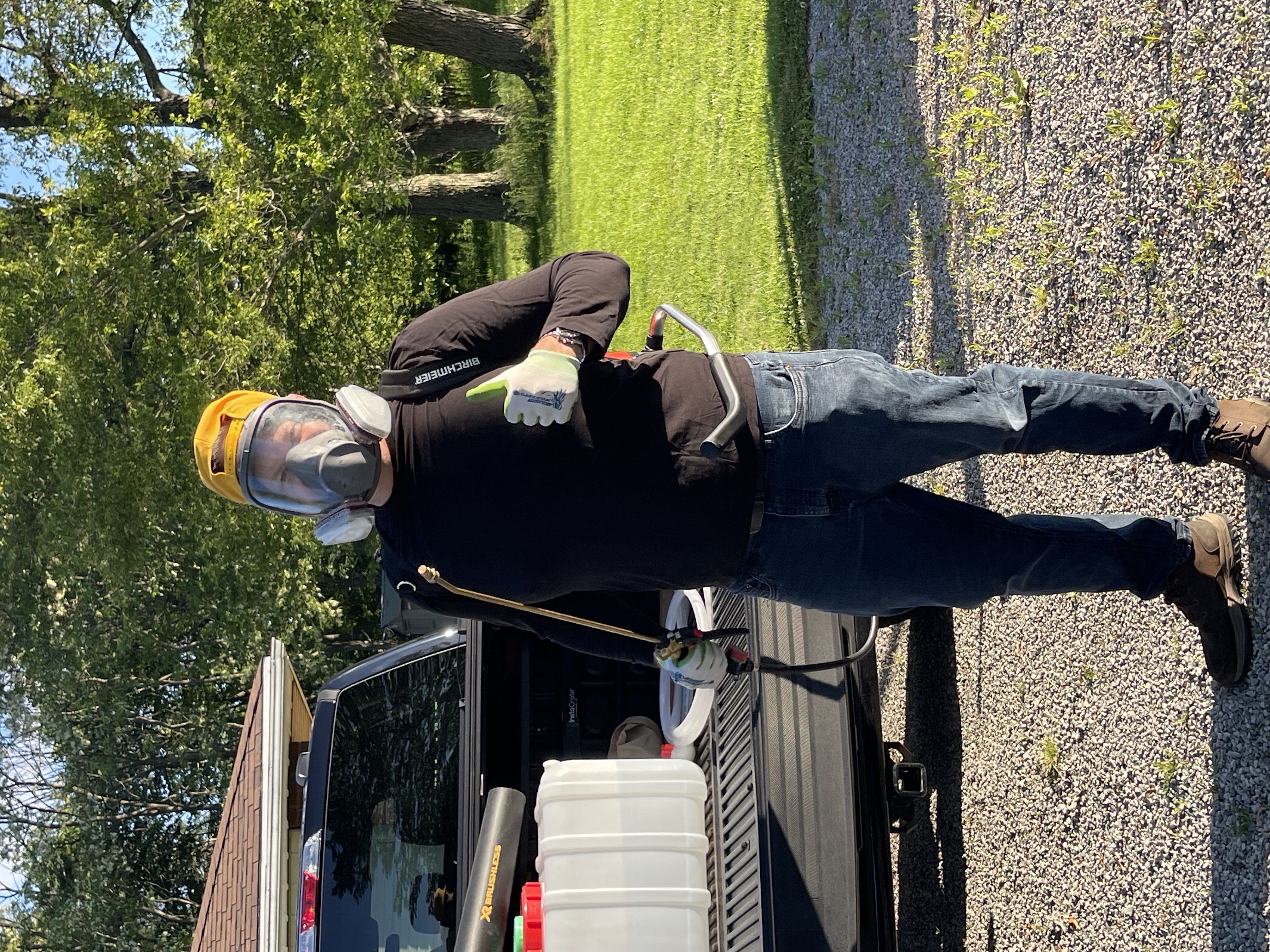
We apply Yard Shield™ to the undersides and interiors of shrubs, ornamental grasses, hedge rows, and perimeter vegetation. Mosquitoes resting in these zones contact the treatment when they land or take off.
The interface between lawn and fence, garden borders, and foundation plantings are treated along their shaded edges - the most humid, protected zones where mosquitoes congregate during midday heat.
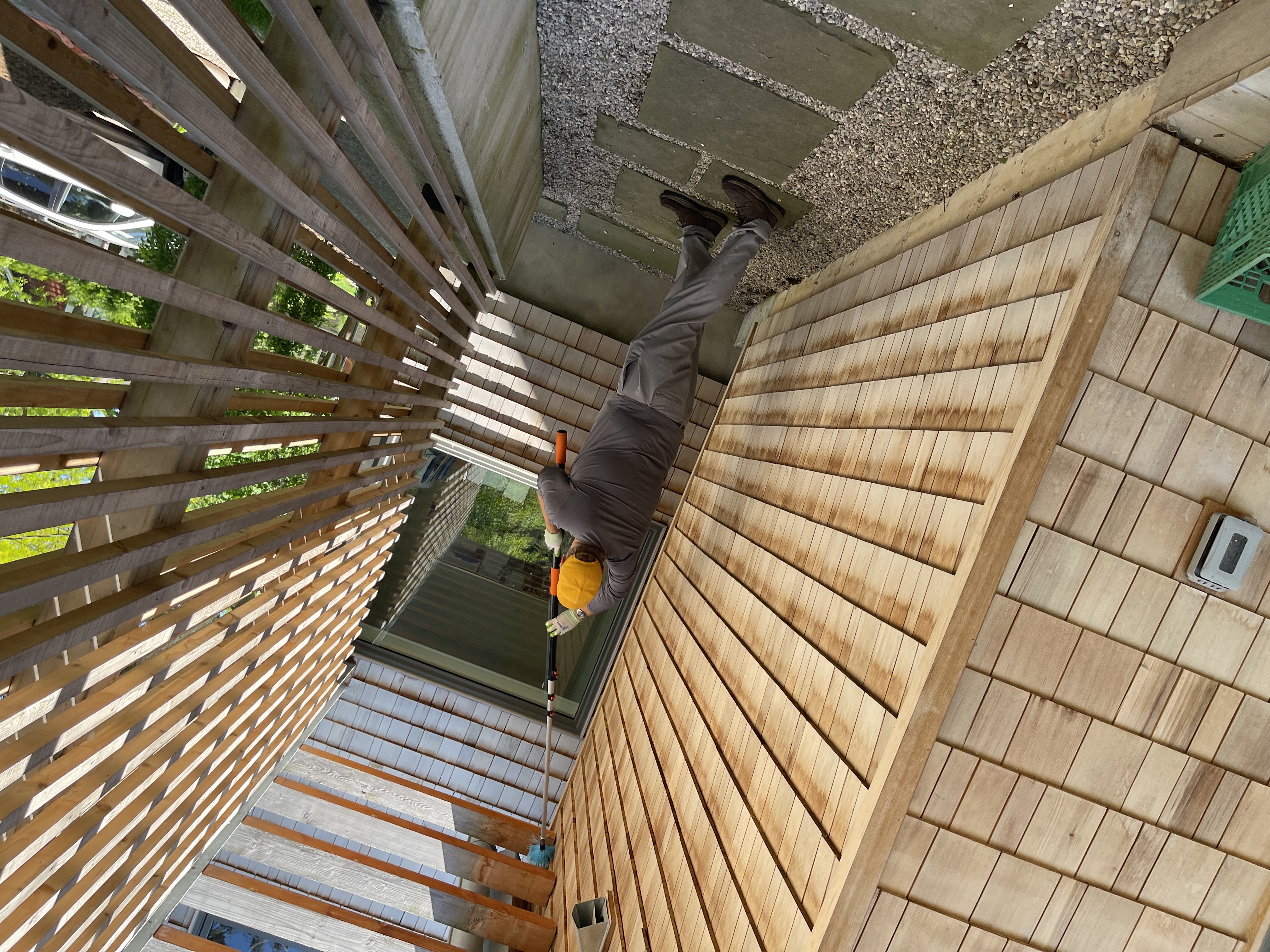
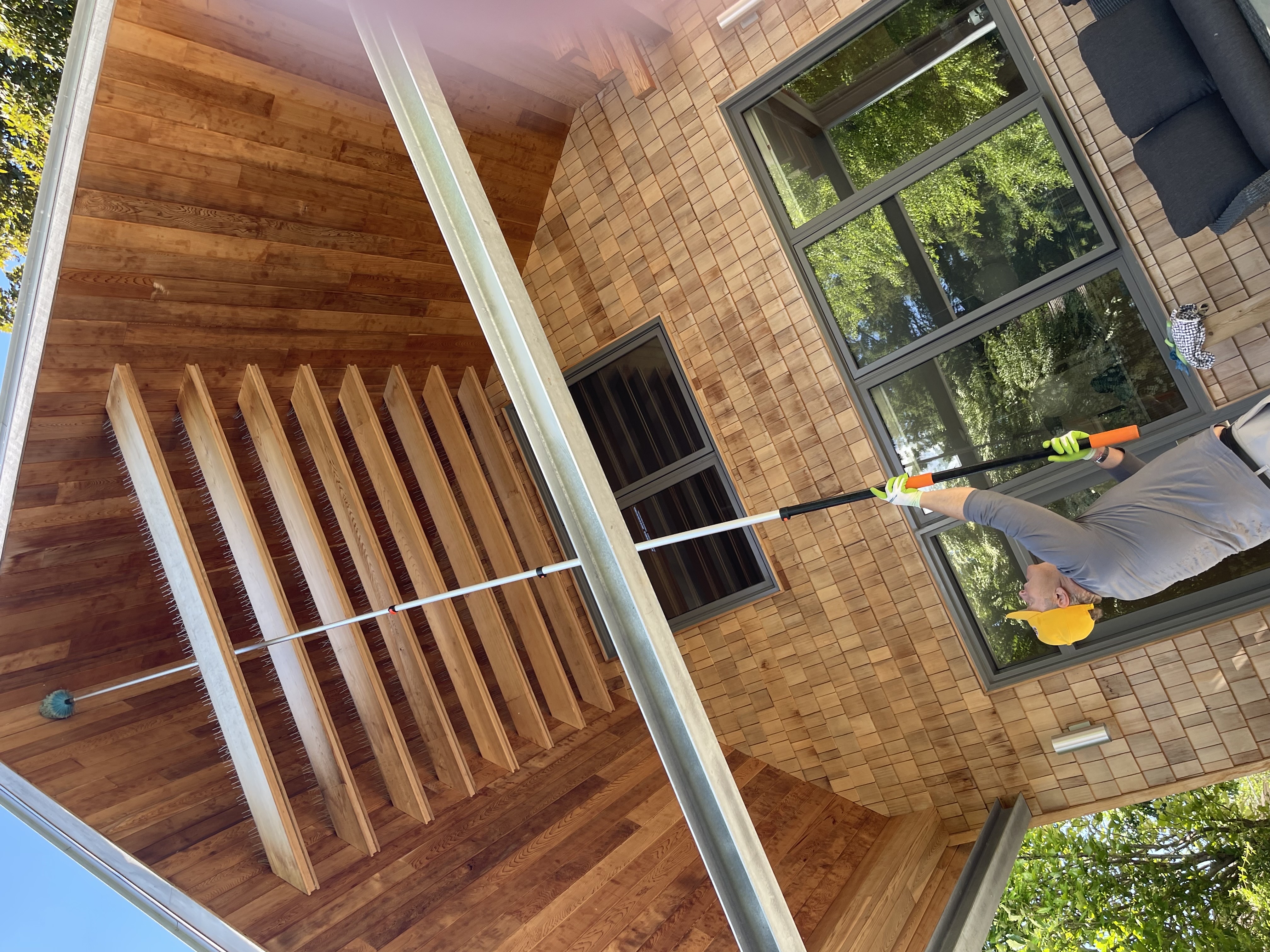
The underside of deck boards, lattice panels, pergola beams, and any shaded structural surface in the yard are high-value resting spots. We treat accessible surfaces in these areas as part of every visit.
What We Don't Treat: Actively blooming flowers, vegetable gardens in flower, and open water sources. We work around pollinators and food plants - let your technician know about specific garden beds at booking.
Yard treatment handles the adult population resting in vegetation. Eliminating breeding sites handles production. Both together are significantly more effective than either alone.

| Breeding Source | How to Eliminate | Impact |
|---|---|---|
| Clogged gutters | Clean and flush annually; add gutter guards | High - major breeding reservoir near roofline |
| Bird baths | Change water every 2–3 days or add a circulator | Medium - consistent local source |
| Tarps & furniture covers | Store inverted or replace with mesh covers | Medium - common overlooked source |
| Low spots in lawn | Fill and grade; improve drainage | High - pooling after rain produces large batches |
| Downspout splash pads | Extend downspout to discharge away from lawn | Medium - wet zones around downspouts breed continuously |
| Neglected containers | Remove, drain, or store inverted when not in use | Low to high depending on volume |
Request a quote for our season-long Yard Shield™ mosquito plan. Prorated pricing available throughout the year.
Call 905-938-7498 All ServicesPremium Protection
Choose the protection barrier your property needs. Simple, professional, and guaranteed.
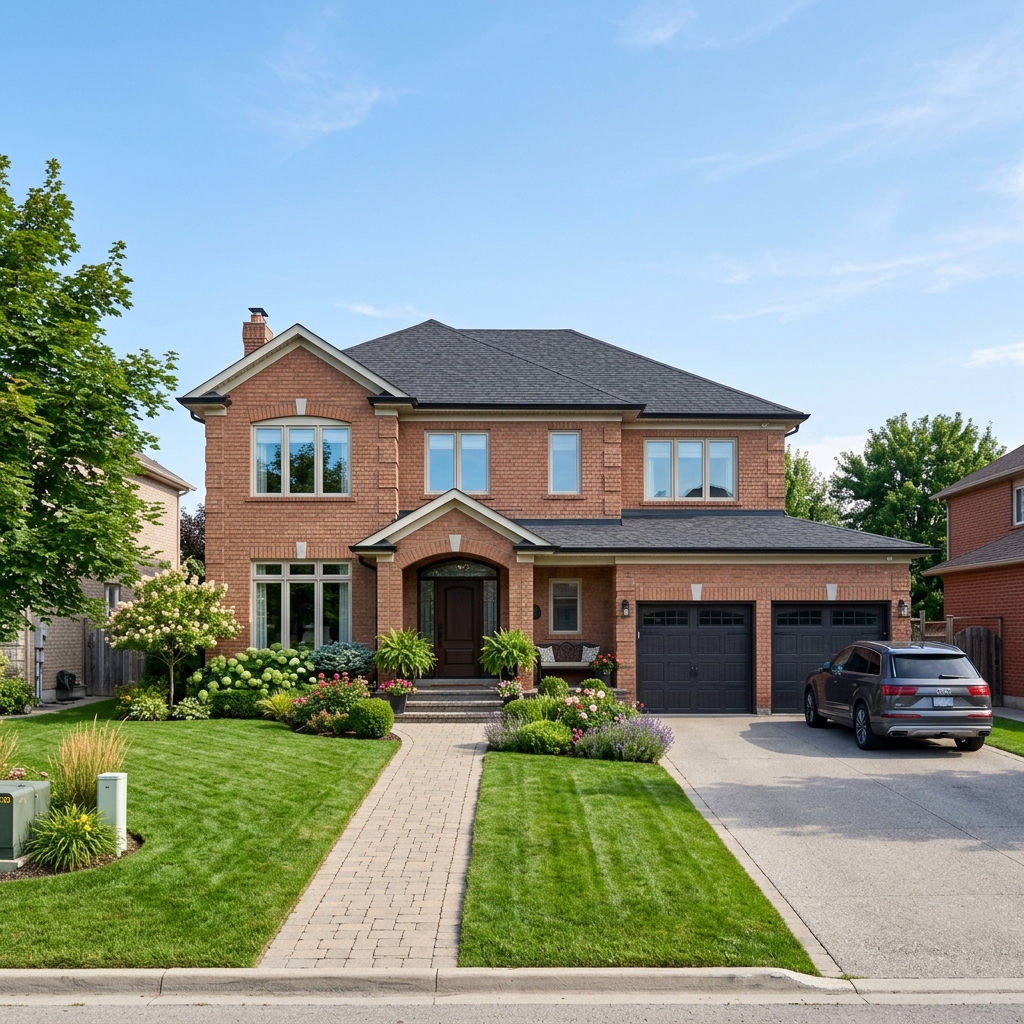
Our flagship exterior structural barrier targets the full perimeter of your home — foundations, soffits, window frames, eaves, and all entry points. Repels and eliminates spiders, ants, and crawling insects before they enter.

A comprehensive yard-level barrier applied to shaded vegetation, ornamental shrubs, deck skirting, and property borders. Reduces adult mosquito and tick populations around your outdoor living space.
SpiderShield™ perimeter barrier
SpiderShield™ creates an invisible exterior barrier that prevents more than just spiders — blocking ants, earwigs, crickets, and other seasonal crawlers from entering your home.
Wherever You Need Us
From the shores of Lake Erie to cottage-country docks — if bugs are a problem, we’re already on the way.
Spider Squad is an owner-operated family business — not a national franchise or outsourced call centre. Our certified technicians live in the communities we serve, ensuring rapid dispatch, personal accountability, and treatments engineered for Southern Ontario's pest pressures.
Don’t Let Spiders Take Over

Tell us about your property and we’ll respond within hours to book your service. No obligation, no pressure.
Personalize pest outlooks, live condition alerts, and dispatch availability for your area.