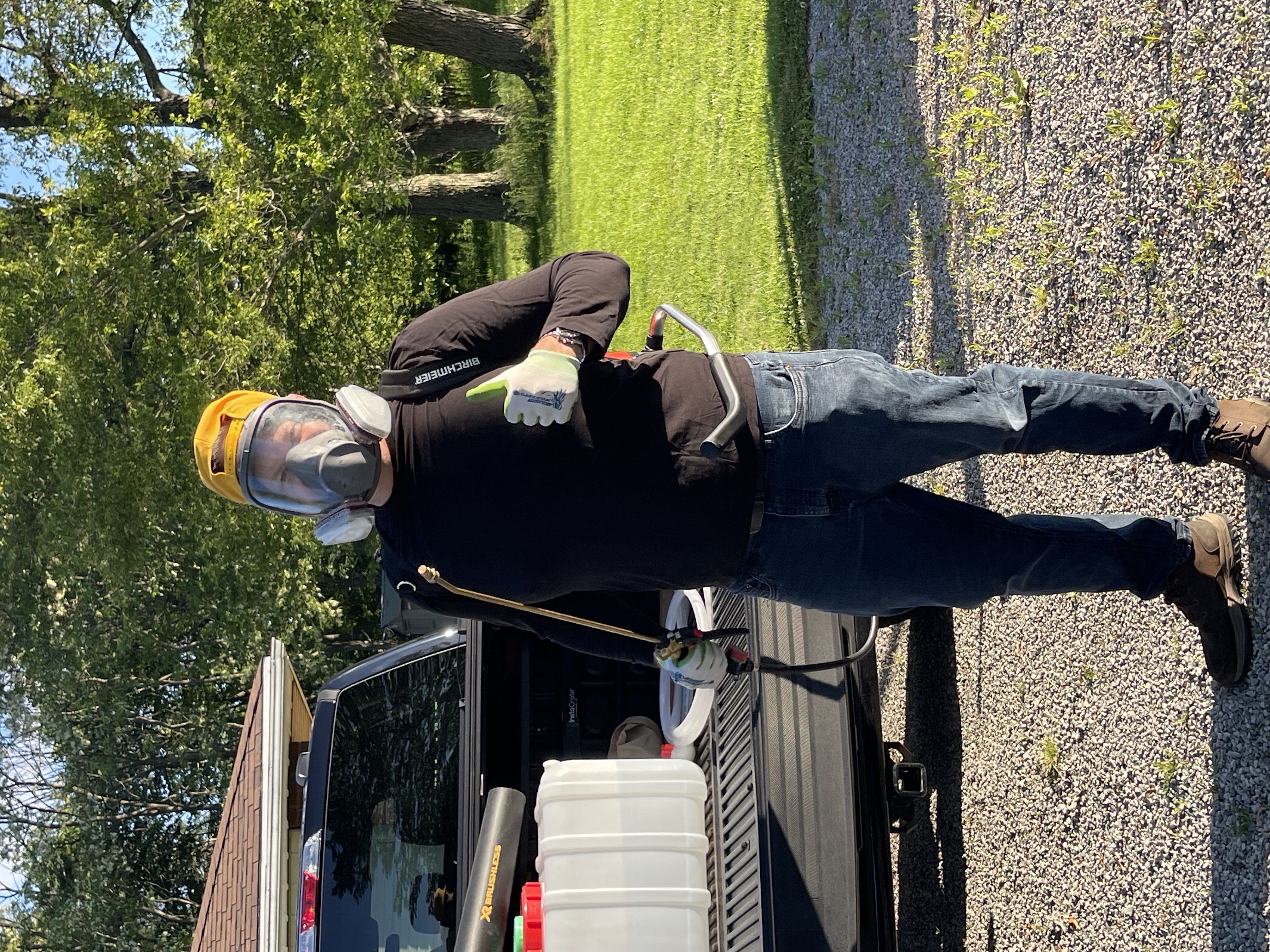
Moving into a new home in Ontario is a fresh start - but without a protective barrier, spiders move in with you. A pre-move-in or early occupancy treatment establishes perimeter protection before you unpack a single box.
Both new construction and resale homes present elevated spider risk at the point of occupancy - for different reasons.
Excavation, grading, and landscaping displace enormous numbers of ground-dwelling insects and spiders from the surrounding soil. These displaced populations immediately seek shelter in the nearest available structure - which is your new home. New construction landscaping (mulch, stone edging, foundation plants) also creates immediate harborage adjacent to the foundation line.
The period between owners - even just weeks - removes the human activity that naturally deters spiders from high-traffic areas. Combined with unknown pest history from previous occupants, resale homes at the point of vacancy often have established spider populations in garages, utility rooms, and low-traffic basement areas.
With the home empty, we have unrestricted access to every treatment zone that matters. This is the most complete coverage possible.
The complete exterior foundation line, including corners, window well bases, and anywhere the foundation meets grade. No gaps in coverage - accessible sections receive full perimeter treatment front, back, and sides.
Garages are the primary entry point for spiders moving into a home. The garage interior - corners, ceiling line, utility shelving, door frames, and the threshold between garage and home - gets thorough treatment. The exterior garage door frame and perimeter are treated alongside.
Every door threshold, window sill at grade, exterior electrical box, plumbing penetration, gas meter housing, HVAC equipment base, and utility conduit entry point. These are the specific pathways spiders use to enter from the exterior.
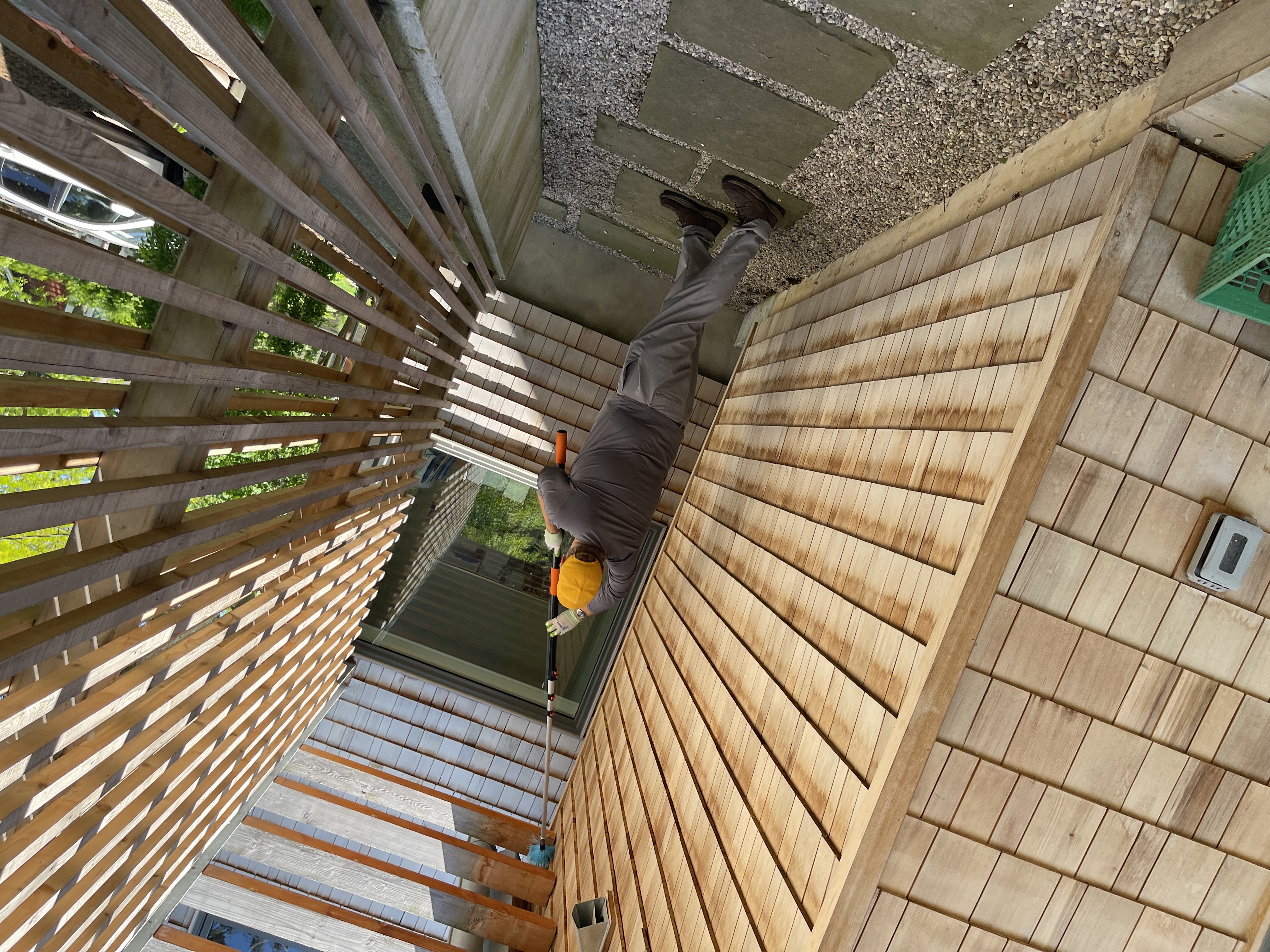
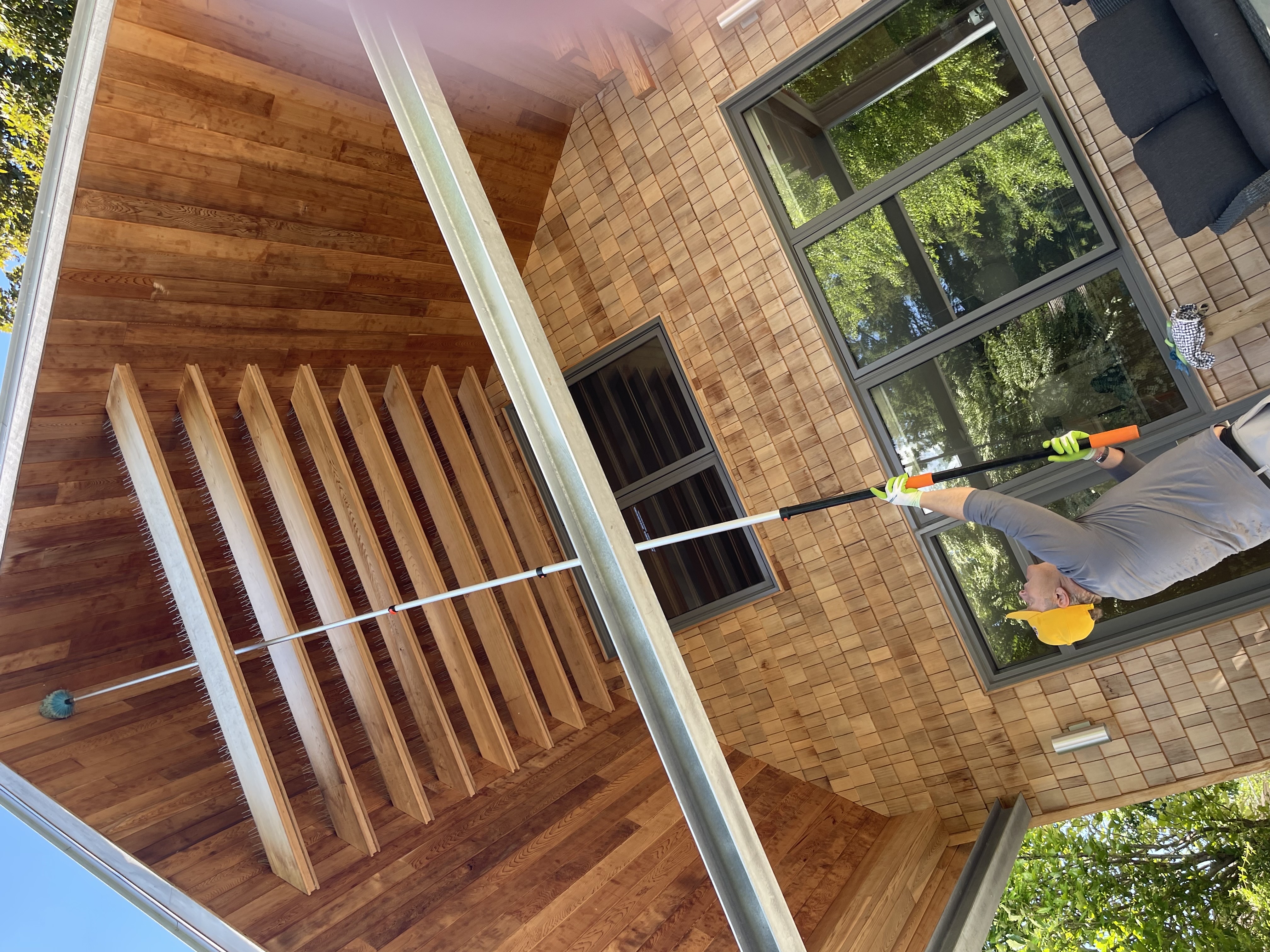
Orb weavers and cellar spiders commonly build webs at the junction of soffit and exterior wall. We treat accessible eave lines to prevent web establishment that draws more spiders to the same zone over time.
Interior Upgrade: For homes that sat vacant for 3+ months, we recommend adding an interior basement and utility room treatment to the standard exterior visit. Vacant homes allow interior populations to establish without disruption - the combination addresses both.
| Factor | New Construction | Resale Home |
|---|---|---|
| Primary Risk Source | Displaced populations from construction activity | Established populations from vacancy period |
| Landscaping | Fresh mulch and foundation plants = immediate harborage | Existing landscaping may already be managed |
| Entry Points | May have unsealed penetrations from trades | Usually more sealed; check older caulking |
| Interior Risk | Lower (new build, less time for establishment) | Higher if vacant 1+ month |
| Best Timing | After exterior finishing, before landscaping installed | During or just after possession, before move-in |
| Follow-Up Timing | Spring of first year (after landscaping settles) | Spring season standard schedule |
Book a pre-move-in treatment before your possession date. We serve all of southern Ontario.
Call 905-935-7498 All ServicesPremium Protection
Fall is when crawlers leave the yard and look for a way in. Choose the protection barrier your property needs — simple, professional, and guaranteed.
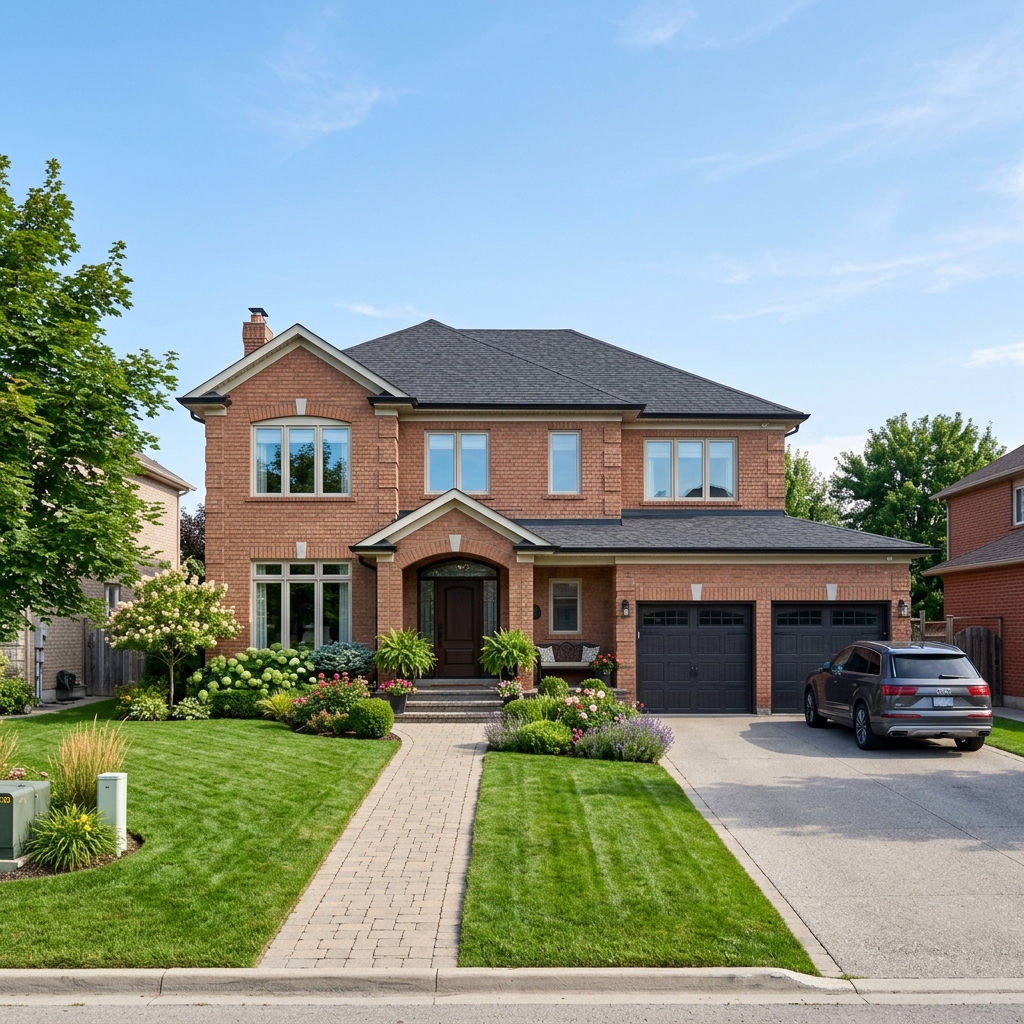
Our flagship exterior structural barrier targets the full perimeter of your home — foundations, soffits, window frames, eaves, and all entry points. Repels and eliminates spiders, ants, and crawling insects before they enter.

A comprehensive yard-level barrier applied to shaded vegetation, ornamental shrubs, deck skirting, and property borders. Reduces adult mosquito and tick populations around your outdoor living space.
SpiderShield™ perimeter barrier
SpiderShield™ creates an invisible exterior barrier that prevents more than just spiders — blocking ants, earwigs, crickets, and other seasonal crawlers from entering your home.
Wherever You Need Us
From the shores of Lake Erie to cottage-country docks — if bugs are a problem, we’re already on the way.
Spider Squad is an owner-operated family business — not a national franchise or outsourced call centre. Our certified technicians live in the communities we serve, ensuring rapid dispatch, personal accountability, and treatments engineered for Southern Ontario's pest pressures.
Don’t Let Spiders Take Over

Tell us about your property and we’ll respond within hours to book your service. No obligation, no pressure.
Personalize pest outlooks, live condition alerts, and dispatch availability for your area.