Seasonal Spider Control
Overwintered spiders emerge in April and May. Egg sacs laid the previous fall hatch by June. A spring treatment breaks this cycle before it builds - protecting your home through the full active season.
Most homeowners think about spider control in September when they're seeing spiders everywhere. But the most efficient intervention happens months earlier, in spring - before the season's population multiplies.
Spiders that overwintered in wall voids, crawl spaces, eaves, and protected exterior areas begin emerging when daytime temperatures exceed 10 degrees Celsius. Females that survived the winter carry egg sacs that can each contain 100 to 400 eggs. Left untreated, those egg sacs hatch between May and June - seeding the property with a new generation that reaches maturity by August, just in time for the fall migration cycle to repeat.
A spring exterior treatment does two things: it eliminates the overwintering population emerging from protected areas, and it places a residual barrier that kills newly hatching spiderlings on contact with treated surfaces. You're interrupting the breeding cycle at the most efficient point - before numbers compound.
A single common house spider egg sac contains 100 to 400 eggs. Females can produce multiple sacs per season. A property with several overwintered females can produce thousands of hatchlings by June. Spring treatment - timed before or during hatch - eliminates hatchlings on contact with treated surfaces before they mature and establish.
The most effective spider control strategy pairs a spring treatment (April-May) with a late-summer treatment (August). Spring addresses the overwintering population and hatch cycle. Summer replenishes the barrier before fall migration begins. Clients on the Spider Squad annual maintenance plan receive both treatments as part of their program.
Spring treatment happens before spiders are at maximum density - meaning fewer spiders to deal with, a cleaner exterior, and a barrier that goes in before webs establish in eaves and window corners. It's significantly easier to prevent a season's population than to reduce it after it peaks in August.
Spring treatment also gives us the opportunity to inspect for winter damage that creates new entry points - cracks in foundation mortar, shifted door frames, compromised window seals - and flag these to the homeowner. Sealing entry points in combination with barrier treatment delivers the strongest result.
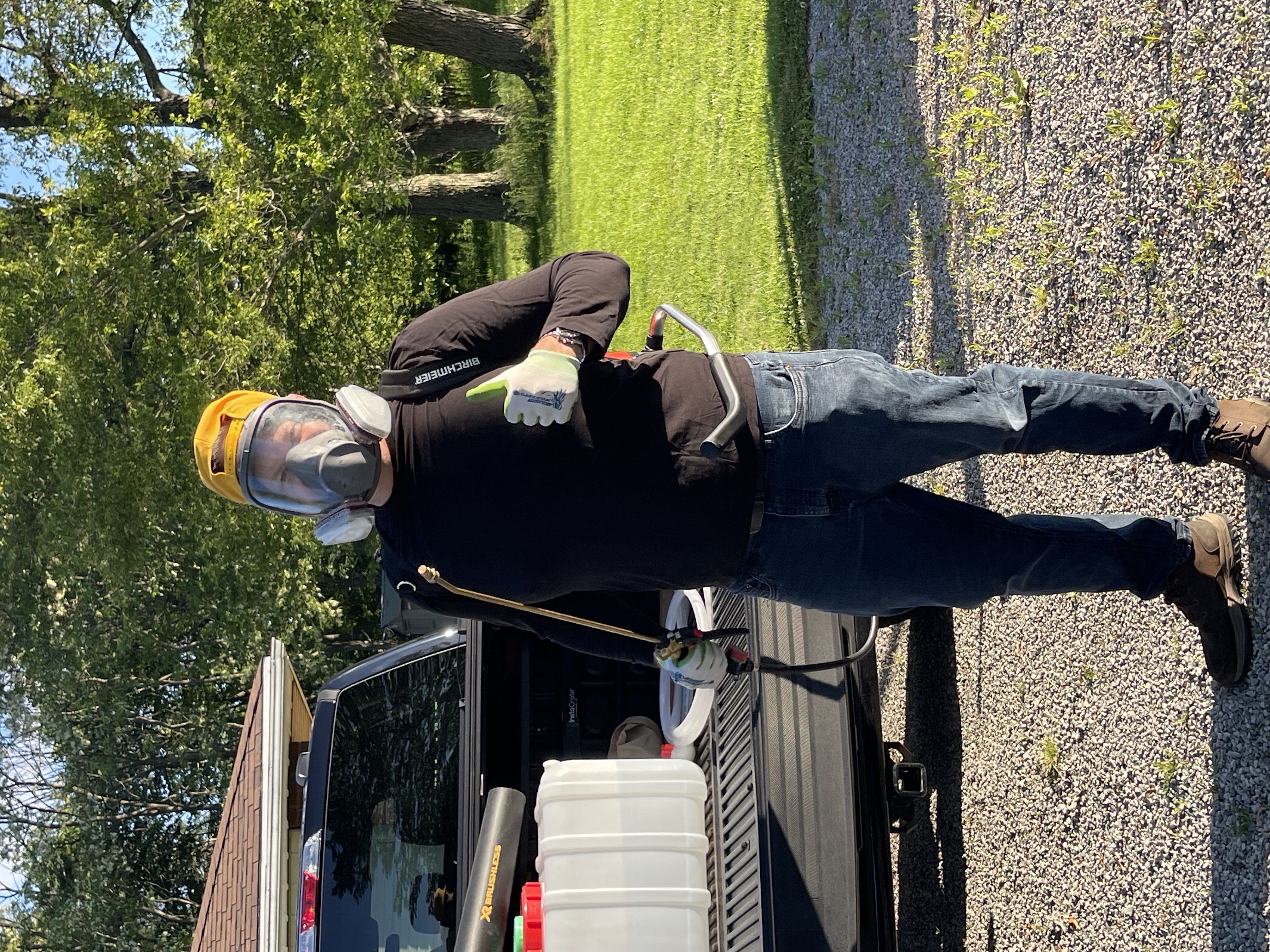
Spring treatment covers the full exterior envelope of your home - the surfaces and entry points where overwintered spiders emerge and where hatchlings first encounter the property.
Full application along the base of the structure, extending 60 to 90 cm up the foundation wall and 30 cm outward onto the adjacent ground surface. This intercepts spiders emerging from overwintering sites in soil and foundation cracks as they begin moving upward and outward in spring.
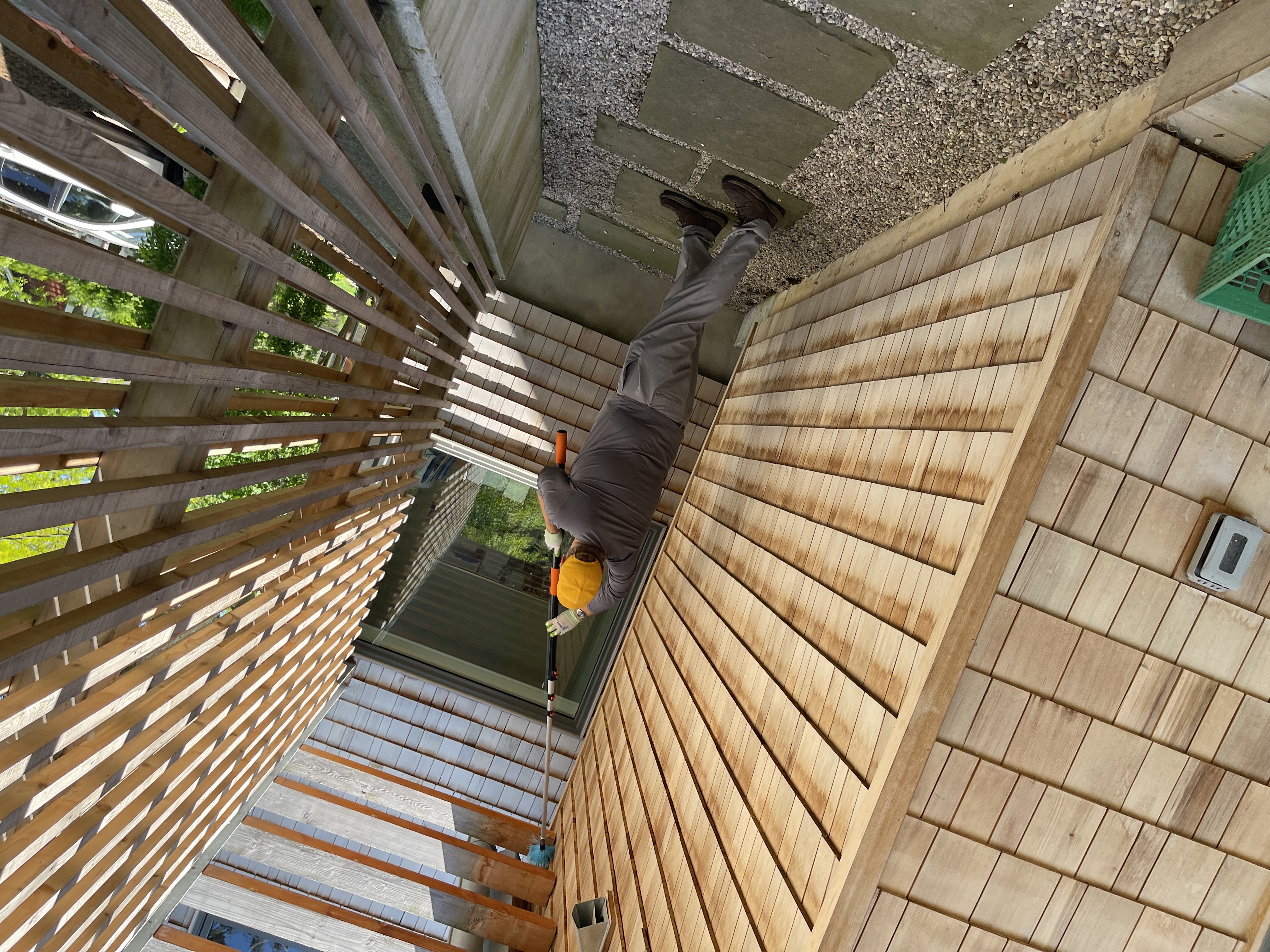
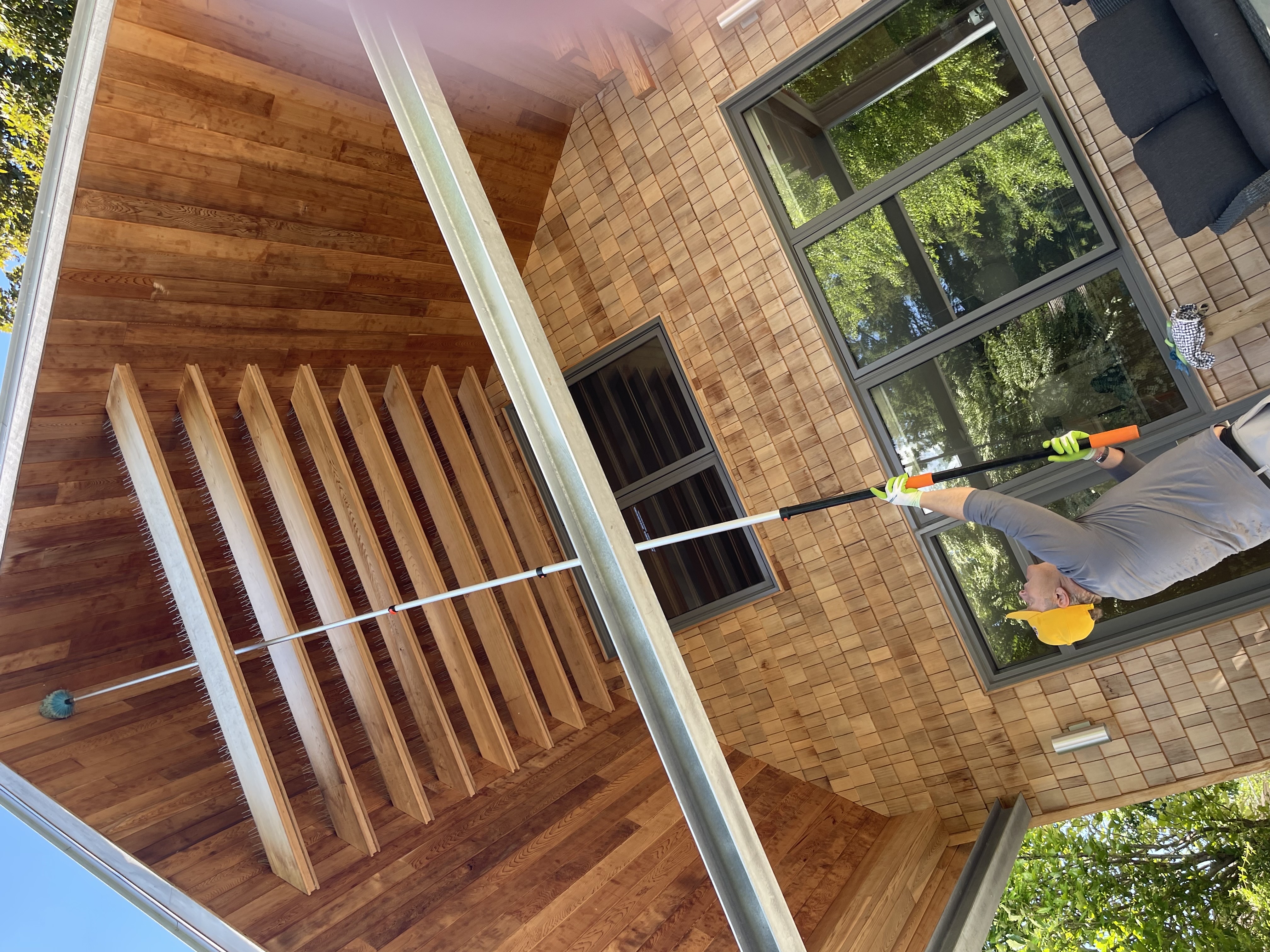
Eaves are prime overwintering sites and spring web-building zones. We treat the underside of soffits, fascia boards, and the junction between the roofline and walls - clearing overwintered adults and discouraging new web establishment before the season begins.
Every window frame, door frame, and threshold is treated. These are the most common entry points for spring-emerging spiders and the locations where egg sacs from the previous fall are most frequently found attached to frames and sill ledges.
Foundation plantings, mulch beds, garden borders within 2 metres of the structure, wood piles, sheds, and detached garages. These are the harborage sites where the overwintered population is densest in early spring. Treating these areas removes spiders before they can migrate onto the structure and begin the breeding season.
Overwintered spiders remain dormant. Ground temperatures too low for product curing. Good time to book your spring treatment appointment so you're first in the schedule when the window opens.
Daytime temperatures consistently above 10°C. Overwintered spiders beginning to emerge. Egg sacs present but not yet hatching. Prime treatment window - book here.
Egg sacs beginning to hatch through May. Treatment now eliminates hatchlings on contact and addresses adults establishing webs in eaves and window frames. Still a highly effective treatment window.
Spring hatch complete. Spider populations actively growing. Summer treatment now more appropriate than spring treatment framing. Clients on the annual plan receive their summer treatment in June-July.
When should I get spring spider treatment in Ontario?
The ideal window is late April through mid-May, when daytime temperatures are consistently above 10 degrees Celsius but before egg sacs from overwintered females have hatched. Treating during this window eliminates the overwintering population and places a barrier before the season's first hatch cycle.
Why treat in spring if I already treated in the fall?
A fall treatment stops the migration in and reduces the overwintering population. But spiders that overwintered in wall voids and protected exterior areas begin emerging in spring. A spring treatment eliminates this emerging population and refreshes the barrier before the breeding season begins in May and June. Fall and spring together give you year-round protection.
What does spring treatment target?
The full exterior perimeter - foundation, eaves, window and door frames, utility penetrations, and garden bed borders. We also address visible overwintering egg sacs, which can produce hundreds of hatchlings per sac if left untreated.
How long does spring treatment remain effective?
Our treatment applied in spring remains active on exterior surfaces for 3 to 6 months under Ontario conditions - covering early and peak summer. Annual maintenance plan clients receive a follow-up treatment in late summer, providing continuous coverage through the active season.
Is spring treatment safe for pets and children?
Yes. Our treatment products are PMRA-registered and safe for people and pets once dried - typically 30 to 60 minutes after application. We treat exterior surfaces only. Gardens and play areas are accessible again once surfaces have dried.
Can you treat in early spring when it's still cold?
Application requires temperatures above 7 degrees Celsius to cure properly. We schedule spring treatments for days with forecast daytime highs above 10 degrees Celsius - typically late April through May in southern Ontario.
Spring Booking Now Open
April and May spots fill quickly. Call to book your spring treatment before the hatch cycle begins.
📞 905-938-7498 View All ServicesPremium Protection
Choose the protection barrier your property needs. Simple, professional, and guaranteed.

Our flagship exterior structural barrier targets the full perimeter of your home — foundations, soffits, window frames, eaves, and all entry points. Repels and eliminates spiders, ants, and crawling insects before they enter.

A comprehensive yard-level barrier applied to shaded vegetation, ornamental shrubs, deck skirting, and property borders. Reduces adult mosquito and tick populations around your outdoor living space.
SpiderShield™ perimeter barrier
SpiderShield™ creates an invisible exterior barrier that prevents more than just spiders — blocking ants, earwigs, crickets, and other seasonal crawlers from entering your home.
Wherever You Need Us
From the shores of Lake Erie to cottage-country docks — if bugs are a problem, we’re already on the way.
Spider Squad is an owner-operated family business — not a national franchise or outsourced call centre. Our certified technicians live in the communities we serve, ensuring rapid dispatch, personal accountability, and treatments engineered for Southern Ontario's pest pressures.
Don’t Let Spiders Take Over

Tell us about your property and we’ll respond within hours to book your service. No obligation, no pressure.
Personalize pest outlooks, live condition alerts, and dispatch availability for your area.