Ontario Spider Season
Spider season in Ontario lasts six months, with two distinct activity peaks. Here's what's happening with spiders from April through October - and how to stay ahead of it.
Ontario has a compressed but intense spider season. Cold winters keep spider populations dormant for five or six months, but when temperatures rise, the activity cycle plays out quickly and predictably. Understanding the pattern helps you time treatment to maximum effect rather than reacting to problems after they've developed.
There are two primary peaks Ontario homeowners experience: the spring hatch in May and June, when overwintered egg sacs release hundreds of hatchlings onto the property, and the fall migration in August through October, when outdoor spiders seek shelter inside structures as temperatures drop. Between these peaks, spider populations grow steadily outdoors through the summer, building the pressure that drives the fall migration.
Temperatures above 10°C trigger emergence from overwintering sites in wall voids, crawl spaces, eaves, and protected exterior areas. Activity is low but the population is present and beginning to feed and move. Best time for spring barrier treatment.
Egg sacs from overwintered females begin hatching. Hatchlings are tiny and largely invisible but are establishing on the property in large numbers. Web-building begins in eaves, window frames, and foundation plantings. Jumping spiders and orb weavers become visible outdoors.
Spider populations expanding rapidly on the property exterior. Webs visible in eaves, under deck railings, in garden beds. Indoor pressure remains low as long as exterior populations are managed. Summer treatment now appropriate.
Maximum spider population outdoors. Dock spiders active near waterfront properties. Orb weavers building large webs in gardens and tree lines. Yellow sac spiders active in garden beds and under eaves. Annual maintenance plan clients receive summer treatment this month.
Nights cool. Male spiders begin roaming in search of mates. Foundation pressure increases as outdoor spiders begin orienting toward structures. Critical treatment window - late-summer barrier prevents fall invasion.
Fall migration at maximum intensity. Indoor sightings spike. Wolf spiders crossing floors. House spiders establishing in corners. Cellar spiders multiplying in basements. This is when most homeowners call - but mid-August treatment would have prevented it.
Temperatures drop below 5°C for extended periods. Migration slows but continues on warmer days. Spiders already inside begin settling into overwintering positions. Last opportunity to treat exterior entry points before winter.
Spider activity stops outdoors. Any spiders inside your home are overwintering in wall voids, basement areas, and protected interior spaces. They'll re-emerge the following spring - and the cycle begins again.
Different species are active and visible at different points in the season. Here's what you're seeing and when.

Ontario's most widespread indoor spider. Present year-round in structures. Most visible in fall when males roam looking for mates. Builds cobwebs in corners, eaves, and window frames.

Active April through October outdoors. Moves indoors in fall, particularly alarming due to its size and speed. Ground-dwelling, does not build webs. Most sightings are September-October.

Thrives indoors year-round. Reproduces continuously in basements and crawl spaces. Fall and winter are when populations in uncontrolled structures become noticeably dense.

Active in spring and summer outdoors. Common on sunny exterior walls, window frames, and fences. Rarely a serious indoor pest - prefers warm, well-lit outdoor environments.

Garden and landscape spider. Builds large, circular webs in vegetation, between fence posts, and in eaves. Active through summer into October. Not an indoor spider - encounters are outdoors.

Ontario's largest spider. Active near waterfront properties, docks, and boathouses throughout the warm season. A significant concern for cottage and waterfront homeowners from late spring through Thanksgiving.
Full identification guides for all 9 common Ontario spider species: Spider ID Guide →
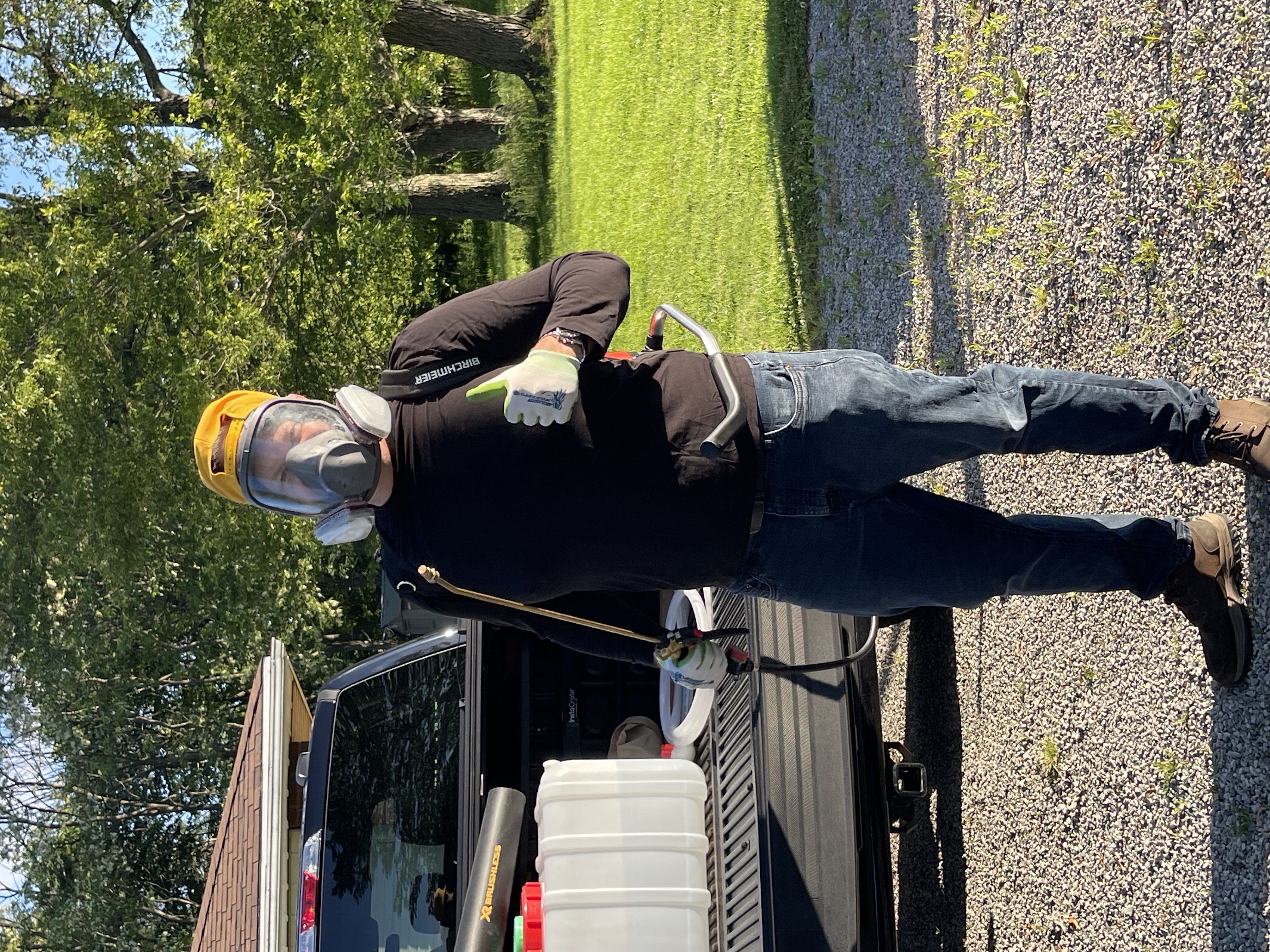
Spider Squad's annual maintenance plan covers your home with three timed applications that address each stage of Ontario's spider season.
Eliminates overwintering population as it emerges. Intercepts hatchlings on contact with treated surfaces. Sets the barrier for early season. Ideal window: late April to mid-May.
Refreshes the barrier at peak outdoor spider density. Addresses new web establishment in eaves and window frames. Prevents the population buildup that drives the fall migration.
Places the fall barrier before migration begins. The most important single treatment for stopping the September invasion. Residual protection carries through October and into winter.
When is spider season in Ontario?
Spider season in Ontario runs from approximately late April through October. Activity begins when temperatures consistently exceed 10 degrees Celsius in spring. The first peak occurs in May and June as overwintered egg sacs hatch. The second, more visible peak happens in late August and September as spiders migrate toward warm structures. October sees the final migration push before temperatures drop below freezing.
What month are spiders worst in Ontario?
September is typically the worst month for spider encounters in Ontario homes. The fall migration is at its peak, with spiders moving from outdoor harborage sites into structures as nighttime temperatures drop. Indoor sightings often spike dramatically between August 25 and October 15.
Are there dangerous spiders in Ontario?
Ontario has no established spider species capable of causing serious medical harm. The yellow sac spider can cause mild localized irritation from its bite but is not medically significant. Brown recluse and black widow spiders occasionally arrive via shipping containers but are not established populations and cannot survive Ontario winters outdoors. The vast majority of Ontario spiders are completely harmless.
Why do I see more spiders in September than any other month?
September combines the fall migration push with peak adult male roaming behavior. Males abandon their webs and wander openly in search of mates before winter - making them far more visible than the sedentary females. The combination of migration and mate-seeking makes September the month when indoor spider sightings spike across Ontario.
How do I get rid of spiders for the whole season in Ontario?
The most effective whole-season approach is Spider Squad's annual maintenance plan: spring treatment in April-May, summer treatment in July, and late-summer treatment in August. Each treatment uses our licensed treatment product, a PMRA-registered bifenthrin product with 3 to 6 months of residual effectiveness on exterior surfaces.
Year-Round Protection
Our annual maintenance plan schedules all three seasonal treatments automatically. One call, covered all year.
📞 905-938-7498 Annual Plan DetailsPremium Protection
Choose the protection barrier your property needs. Simple, professional, and guaranteed.

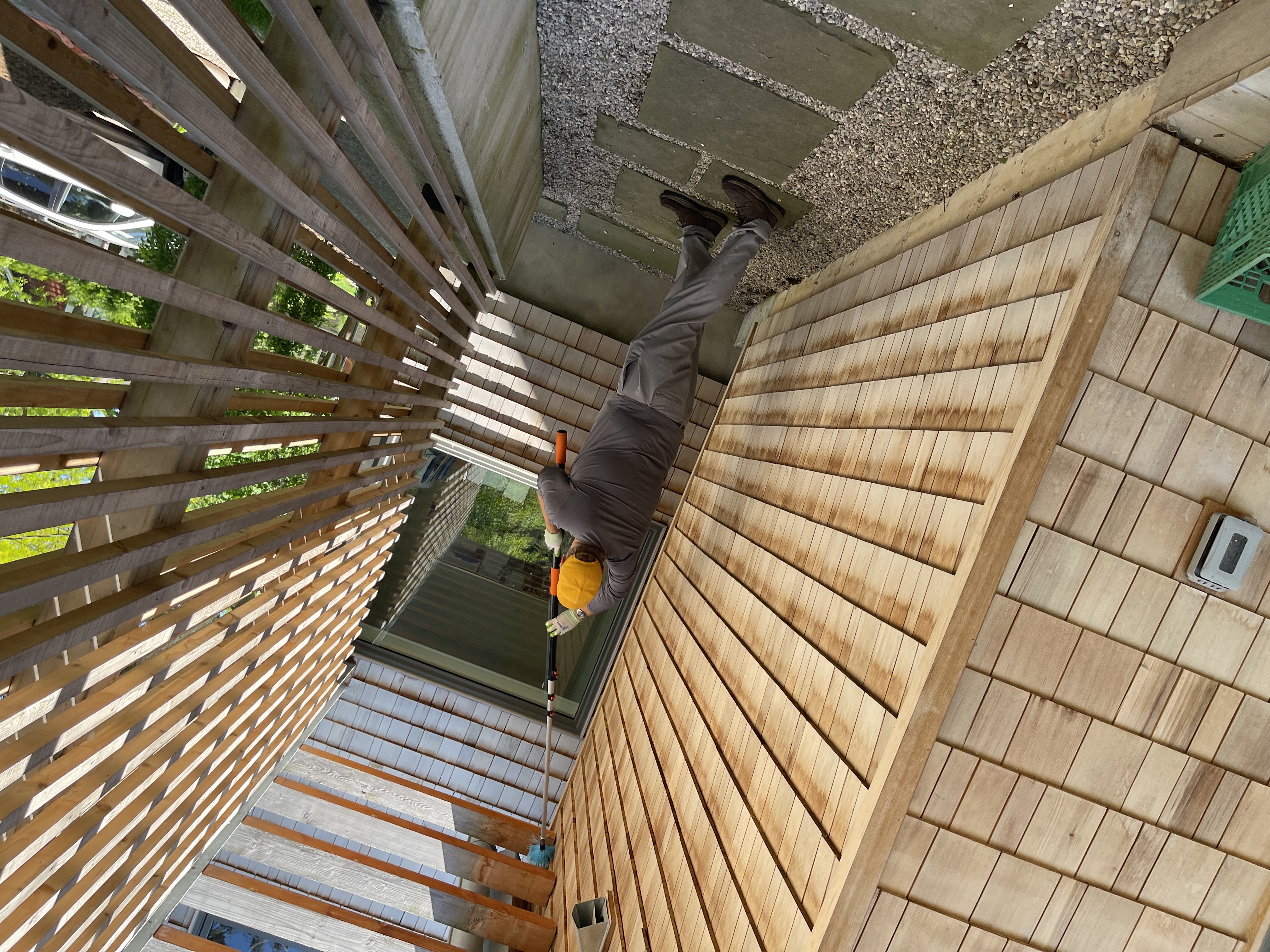
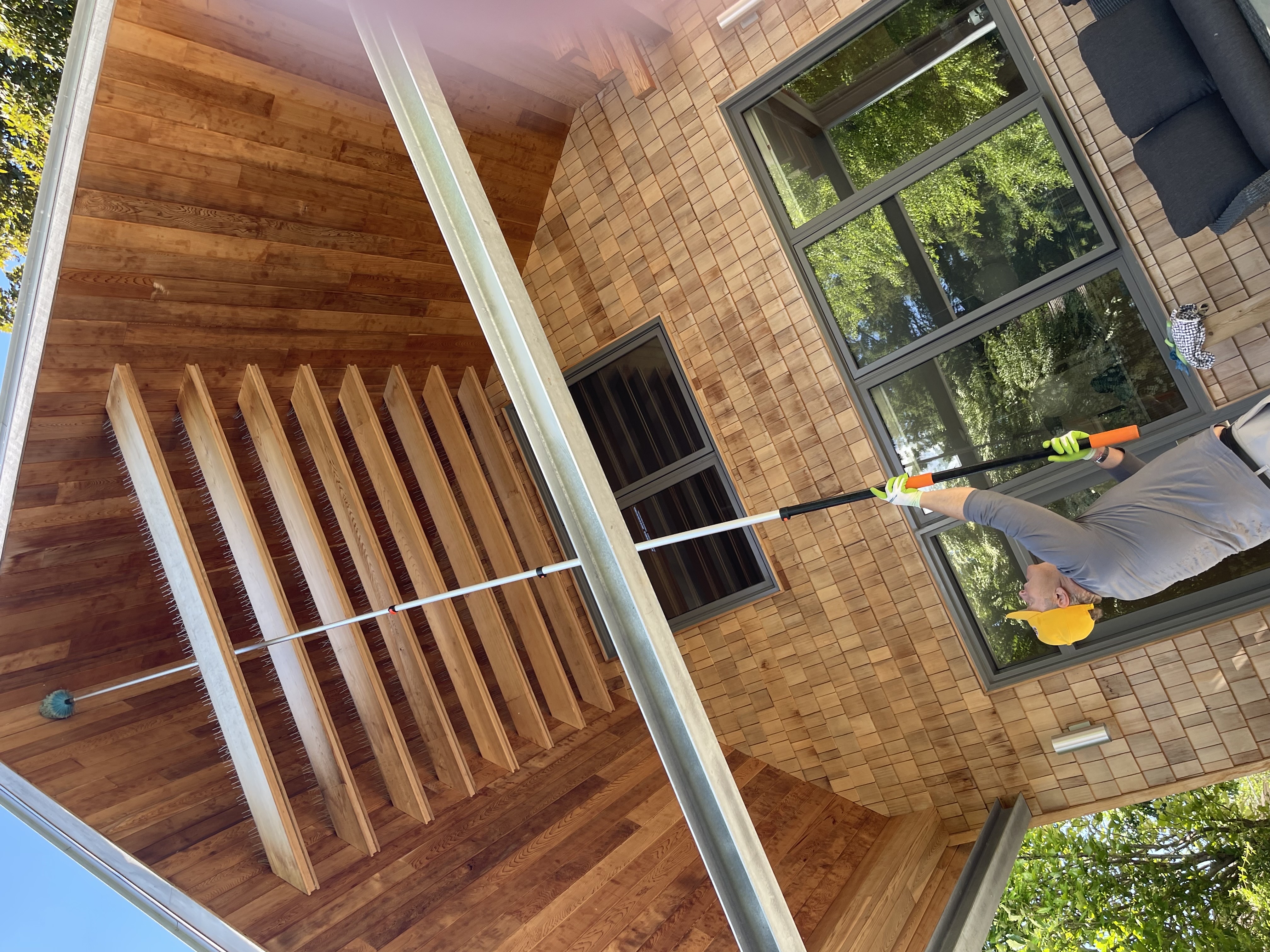
Our flagship exterior structural barrier targets the full perimeter of your home — foundations, soffits, window frames, eaves, and all entry points. Repels and eliminates spiders, ants, and crawling insects before they enter.

A comprehensive yard-level barrier applied to shaded vegetation, ornamental shrubs, deck skirting, and property borders. Reduces adult mosquito and tick populations around your outdoor living space.
SpiderShield™ perimeter barrier
SpiderShield™ creates an invisible exterior barrier that prevents more than just spiders — blocking ants, earwigs, crickets, and other seasonal crawlers from entering your home.
Wherever You Need Us
From the shores of Lake Erie to cottage-country docks — if bugs are a problem, we’re already on the way.
Spider Squad is an owner-operated family business — not a national franchise or outsourced call centre. Our certified technicians live in the communities we serve, ensuring rapid dispatch, personal accountability, and treatments engineered for Southern Ontario's pest pressures.
Don’t Let Spiders Take Over

Tell us about your property and we’ll respond within hours to book your service. No obligation, no pressure.
Personalize pest outlooks, live condition alerts, and dispatch availability for your area.