Garage Spider Control
Ontario garages are among the most spider-dense areas on any property. Large gaps, abundant insects, and year-round partial warmth make them ideal habitat. Here is what is there and how to address it.
The gap around a standard garage door is one of the largest structural openings in any home - often 10 to 20mm on each side and across the top. Weather seals degrade over time, creating permanent entry points for any spider that wants in. Unlike windows and doors with functional seals, garage doors are frequently left partially open or have compromised perimeter seals.
Garages accumulate insects attracted to stored organic material, vehicles (insects enter on cars), recycling, yard equipment, and the insects that enter through the same gaps spiders use. This creates a concentrated food supply that sustains large spider populations year-round.
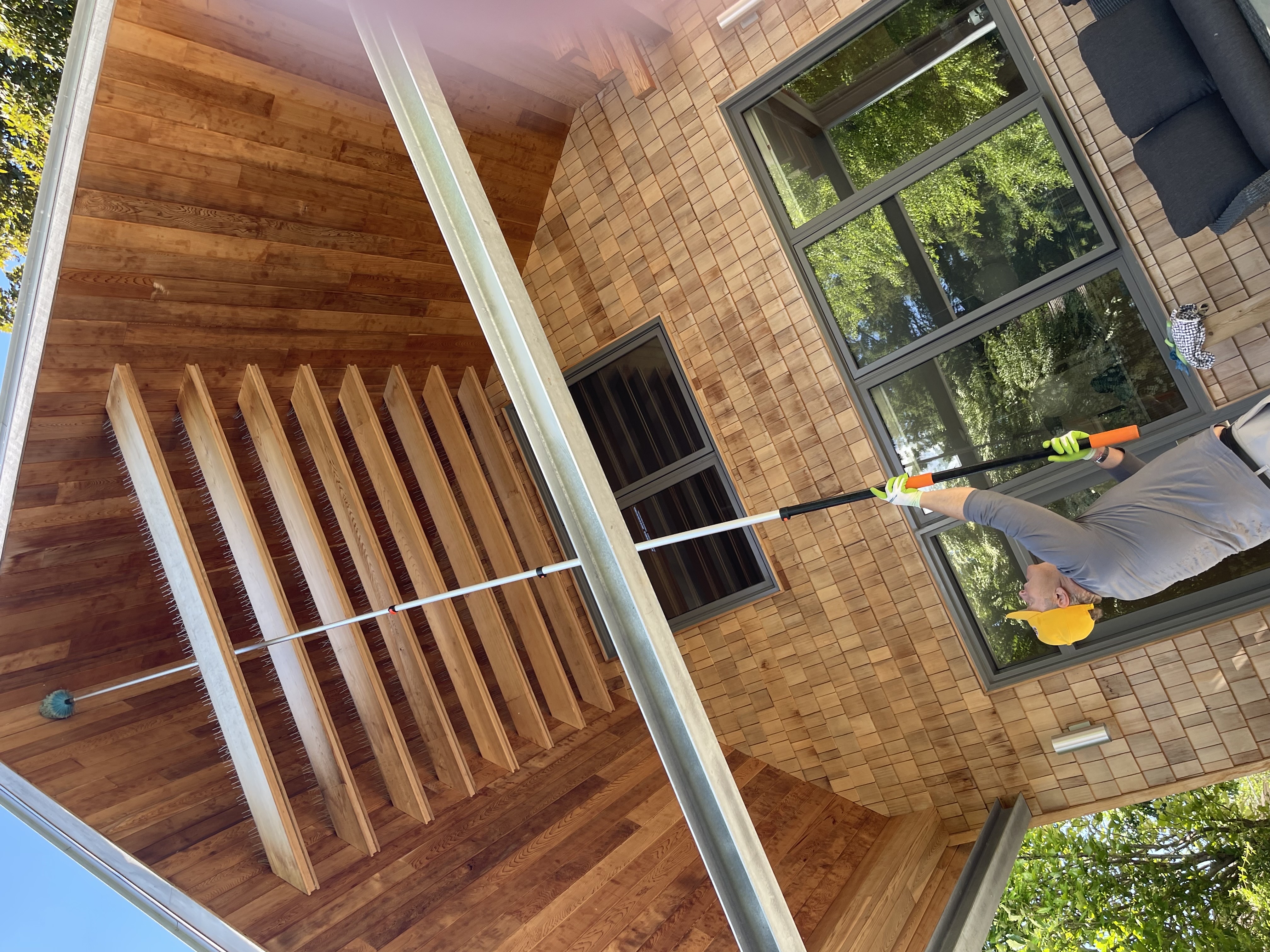
Garage rafters, wall studs between drywall, shelf undersides, the space above cabinets, and the area behind stored equipment provide undisturbed, protected web-building sites. In contrast to living spaces that are cleaned and disturbed regularly, garage storage areas can host established populations for years without intervention.
Attached garages connected to heated homes maintain temperatures above freezing through Ontario winters. This prevents the cold-induced dormancy that limits outdoor spider activity and allows cellar spiders and house spiders to reproduce continuously through the year.
Note on garage-to-home entry: The door connecting your garage to your home interior is the primary pathway for spiders moving from the garage population into living spaces. If your garage has a significant spider population, the garage-to-home door frame treatment is one of the highest-value application zones on the property.
Why do I have so many spiders in my garage?
Garages offer large entry gaps (particularly around garage doors), abundant insects, year-round partial warmth in attached garages, and numerous undisturbed web-building sites in rafters and storage areas. They are among the most spider-dense areas on any Ontario property.
How do I get rid of garage spiders?
Interior perimeter treatment along wall-floor junctions, overhead rafter lines, and the garage door frame perimeter, combined with exterior foundation treatment. Replacing degraded garage door weatherstripping and cardboard storage with sealed plastic bins improves results between treatments.
Are the spiders in my garage dangerous?
The species common in Ontario garages - house spiders, cellar spiders, and wolf spiders - are all harmless. No established spider species in Ontario poses a medical risk in a garage environment.
Premium Protection
Fall is when crawlers leave the yard and look for a way in. Choose the protection barrier your property needs — simple, professional, and guaranteed.
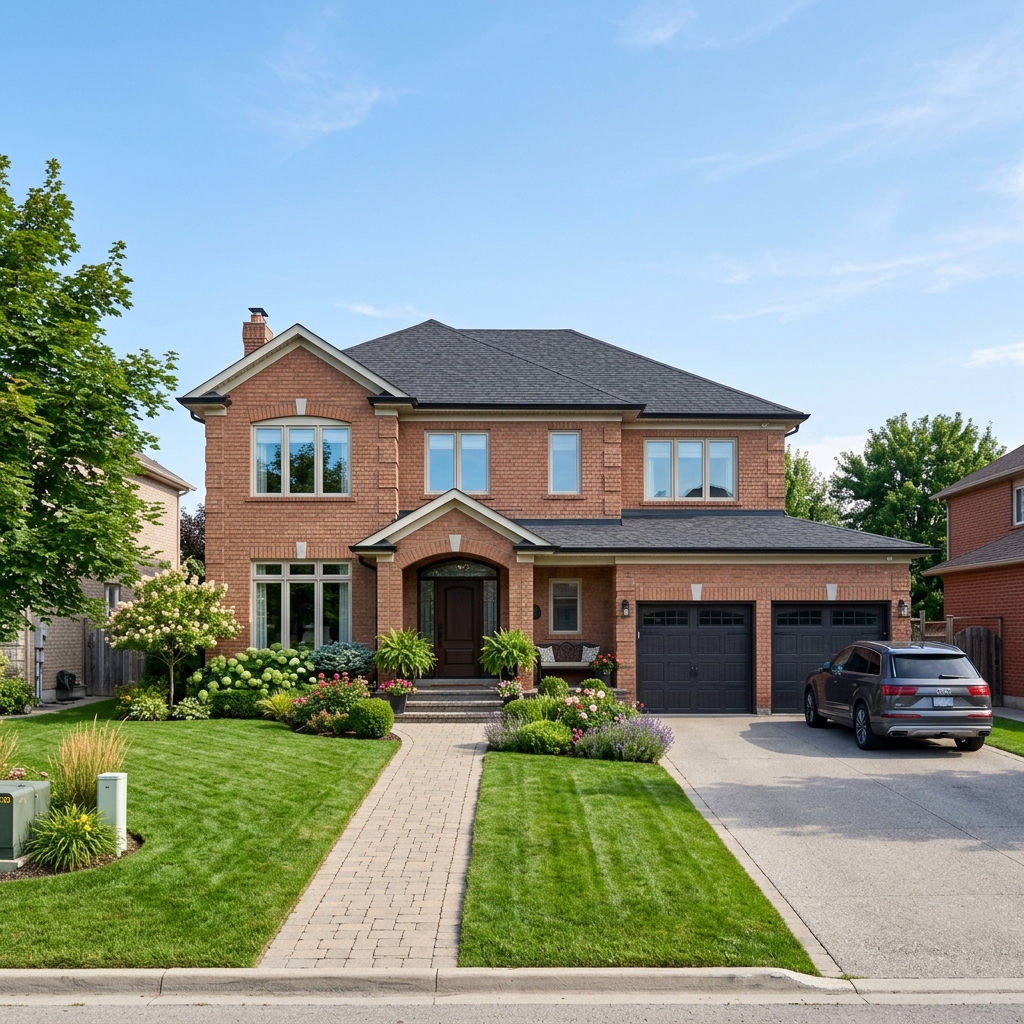
Our flagship exterior structural barrier targets the full perimeter of your home — foundations, soffits, window frames, eaves, and all entry points. Repels and eliminates spiders, ants, and crawling insects before they enter.

A comprehensive yard-level barrier applied to shaded vegetation, ornamental shrubs, deck skirting, and property borders. Reduces adult mosquito and tick populations around your outdoor living space.
SpiderShield™ perimeter barrier
SpiderShield™ creates an invisible exterior barrier that prevents more than just spiders — blocking ants, earwigs, crickets, and other seasonal crawlers from entering your home.
Wherever You Need Us
From the shores of Lake Erie to cottage-country docks — if bugs are a problem, we’re already on the way.
Spider Squad is an owner-operated family business — not a national franchise or outsourced call centre. Our certified technicians live in the communities we serve, ensuring rapid dispatch, personal accountability, and treatments engineered for Southern Ontario's pest pressures.
Don’t Let Spiders Take Over

Tell us about your property and we’ll respond within hours to book your service. No obligation, no pressure.
Personalize pest outlooks, live condition alerts, and dispatch availability for your area.