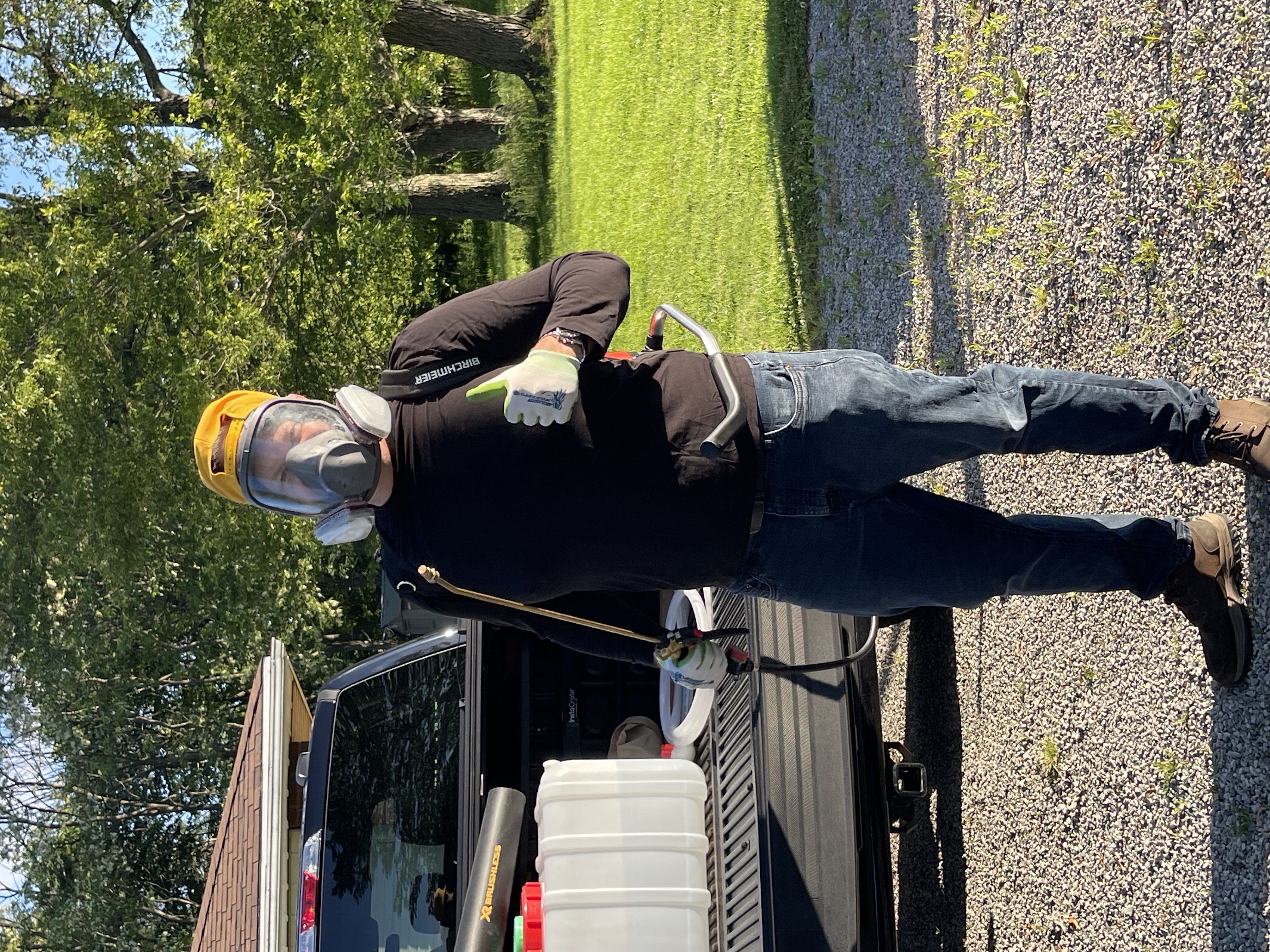
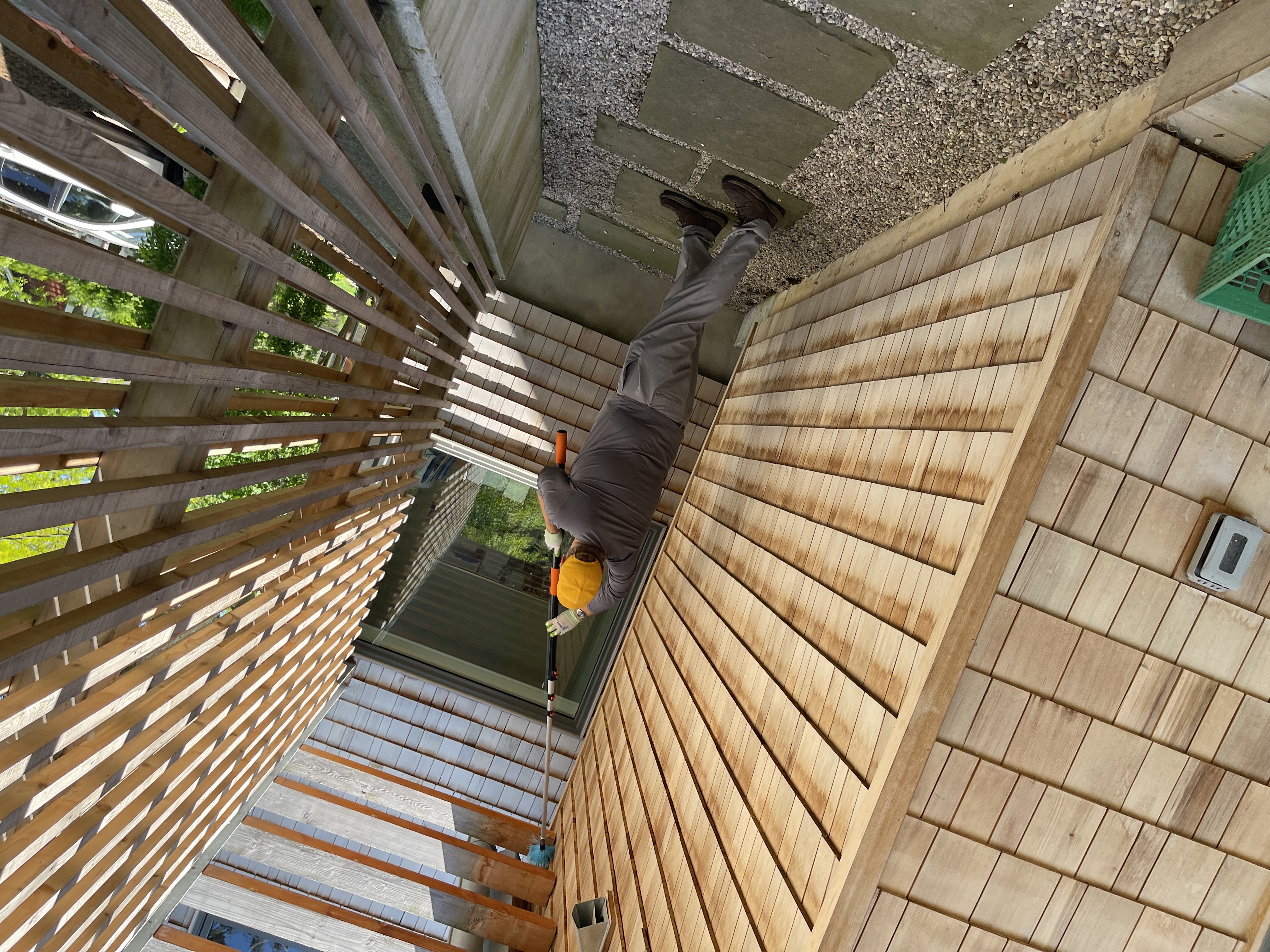
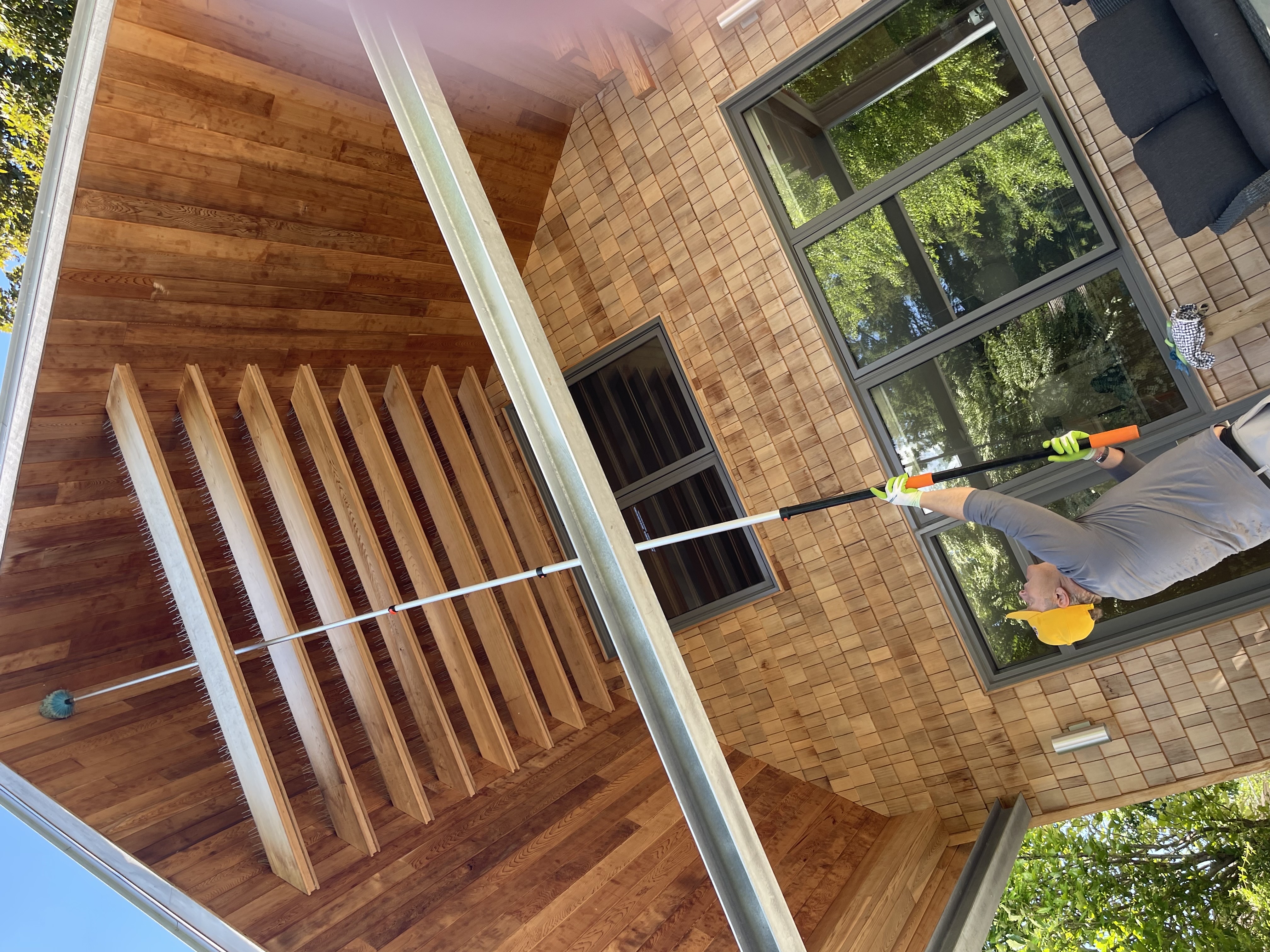
Ants exploit every crack, gap, and gap in your home's foundation. Our exterior barrier treatment hits foraging trails right where they originate - but only if we can reach the full perimeter. Here's exactly how to set our technician up for success.
Ant control is almost entirely an exterior job. Pavement ants nest under concrete slabs, foundation footings, and mulch - not inside your walls. Carpenter ants forage from satellite nests near the foundation before moving indoors. Our residual barrier treatment stops both species at their entry points and foraging paths.
To do that effectively, we need a clear, unobstructed walkway around the entire exterior of your home. If items block sections of foundation, those gaps in the barrier are exactly where ants will continue to enter.
Clear a minimum 3-foot zone around the entire exterior foundation - every wall, every corner, every entryway - before your technician arrives. The more access we have, the more complete the barrier.
Patio chairs, benches, tables, and BBQs should be moved at least 3 feet from the foundation. Ants trail along the wall base - if we can't reach it, we can't treat it. On decks and patios, shift everything toward the centre.
Planter soil stays consistently moist, attracting the insects ants hunt. Move every pot, window box, and hanging basket at least 3 feet from the house. This also allows us to treat beneath them - ant trails often run directly under pots along the foundation.
This is critical for ant treatment. Pavement ants nest right at the foundation footing - if mulch is piled against the base of the wall, we can't reach the soil and concrete joint where colonies begin. Rake mulch back 4 to 6 inches so we can apply product directly to the critical zone.
Carpenter ants are strongly attracted to wood-to-soil contact. Any lumber, firewood, or stored wood material directly against the foundation is a major risk factor and physically blocks treatment. Move stacks at least 10 feet from the house, elevated off the ground if possible.
Organic waste is one of the primary ant attractants. Bins stored against the house should be moved away for the day of treatment. If you have an outdoor compost bin touching the foundation, move it to the far end of the yard.
Garden tools leaning against the wall, coiled hoses, or stored equipment all block our spray line. Move them at least 3 feet out or into a shed for the appointment.
Shrubs, hedges, and climbing plants that contact the siding give ants a direct elevated highway into the structure - bypassing our ground-level barrier. Trim so there is visible clearance between plants and the wall surface.
While our treatment is exterior-focused, interior food sources keep ants motivated to push through barriers. Before your appointment, wipe down kitchen counters, seal dry goods in containers, empty and rinse recycling bins, and clean up any pet food bowls.
Keep all windows, doors, and pet doors closed while the technician applies product. This is especially important at basement level and near any known ant entry points.
The product needs 30 to 45 minutes to dry under normal conditions. Pets should not walk on treated foundation areas until dry. Small children should be kept inside during application and until surfaces are fully dry.
The concrete-to-soil interface at the base of your foundation is where pavement ant colonies establish. Our product is applied directly into this zone, targeting the nests and the foraging trails radiating outward from them.
Every door threshold, garage door seal, pipe penetration, and utility entry point is treated. These are the routes interior scouts use once they've found a food source inside.
Visible and invisible ant trails along the foundation line, sidewalk edges, and garden borders receive a residual application. Any ant crossing the treated zone picks up a lethal dose and carries it back to the colony.
Treatment remains active for 6 to 10 weeks under normal conditions. Rainfall reduces effectiveness at the surface - our product is designed to bond to the soil and concrete substrate, but a very heavy spring can warrant a touch-up.
Completely normal for the first 3 to 5 days. As foragers cross the treated zone, they become disoriented and may appear more active before dying. This activity peaks around day 2 and declines sharply from day 4 onward. Colony collapse typically completes within 2 to 3 weeks.
Ready to Book?
Same-week service available across Southern Ontario. Book your exterior barrier treatment today.
Call 905-938-7498 Learn About Ant ControlPremium Protection
Choose the protection barrier your property needs. Simple, professional, and guaranteed.
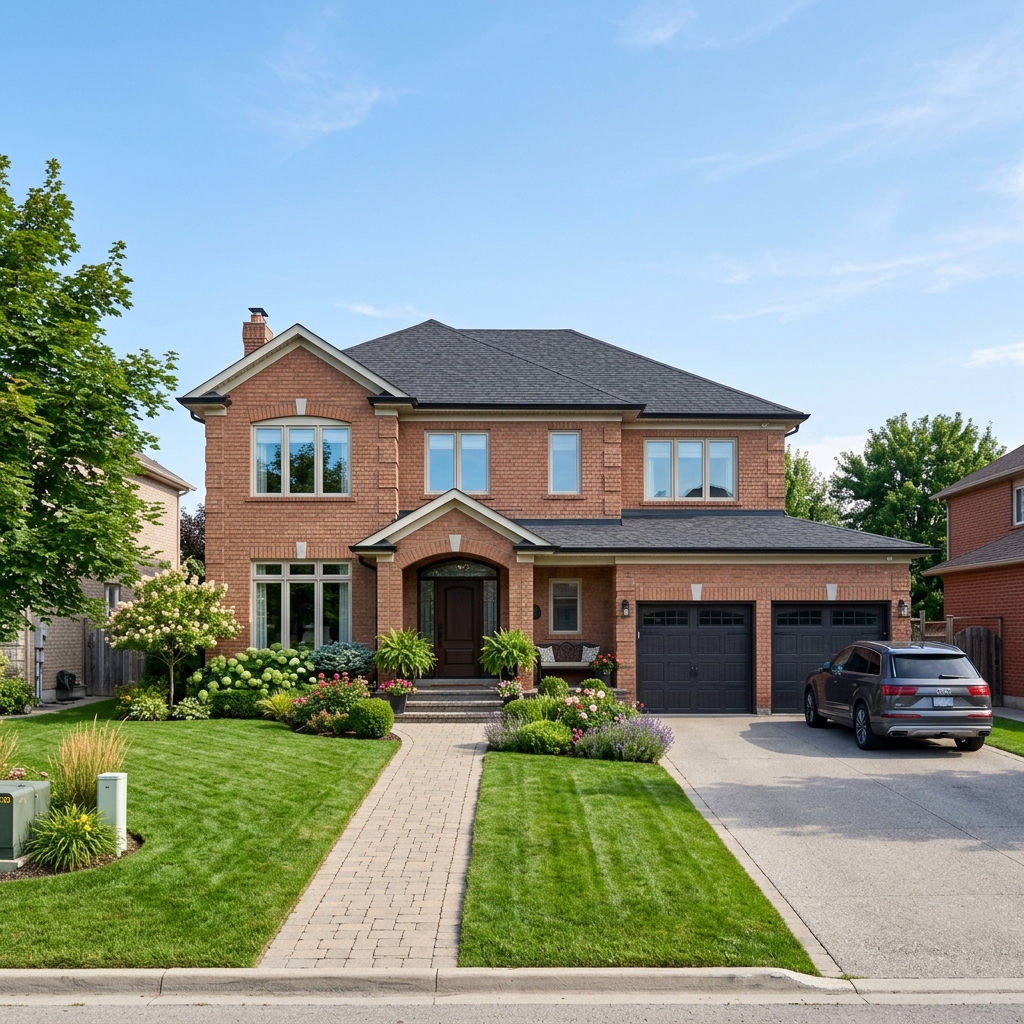
Our flagship exterior structural barrier targets the full perimeter of your home — foundations, soffits, window frames, eaves, and all entry points. Repels and eliminates spiders, ants, and crawling insects before they enter.

A comprehensive yard-level barrier applied to shaded vegetation, ornamental shrubs, deck skirting, and property borders. Reduces adult mosquito and tick populations around your outdoor living space.
SpiderShield™ perimeter barrier
SpiderShield™ creates an invisible exterior barrier that prevents more than just spiders — blocking ants, earwigs, crickets, and other seasonal crawlers from entering your home.
Wherever You Need Us
From the shores of Lake Erie to cottage-country docks — if bugs are a problem, we’re already on the way.
Genuinely Local Exterminators
Spider Squad is a family business — not a franchise, not a call centre. Our team lives in the communities we serve, which means faster scheduling, real accountability, and treatments designed for the pest pressures specific to this part of Ontario.
Don’t Wait
Same-week service available in most communities. Get a free assessment — no obligation.
Don’t Let Spiders Take Over

Tell us about your property and we’ll respond within hours to book your service. No obligation, no pressure.