Species Profile
Carpenter ants (Camponotus) are the largest ants in Ontario, with workers up to 13mm. They do not eat wood like termites do, but they excavate galleries through wood that is softened by moisture. Their presence indoors is usually a clue that something is wetter than it should be.
If the ant in your kitchen is large and very dark, you are almost certainly looking at a carpenter ant. Pavement ants and other small Ontario species do not approach the size of carpenter ant workers. The size combined with the indoor location matters: a single carpenter ant indoors is foraging, but indoor carpenter ant activity often signals that a parent or satellite colony is somewhere in the building envelope.
This is the single most common misconception about carpenter ants. Termites eat wood as a food source, digesting the cellulose with the help of gut symbionts. Carpenter ants do not. They cannot digest wood. They excavate galleries through wood with their mandibles, pushing the wood out as fine sawdust-like debris called "frass," and use the resulting gallery space to house the colony.
The practical implication: carpenter ants do not establish colonies in dry, sound, structural wood. They establish colonies in wood that has been softened by moisture. The chronic moisture sources that produce carpenter ant problems are predictable: roof leaks, plumbing leaks, condensation around poorly sealed windows, ice damming, deck ledger boards that channel water into the rim joist, exterior stairs that hold water, and old tree stumps near the foundation.
The control implication: eliminating the colony solves the immediate problem. Fixing the moisture source prevents the next colony.
Termites are not established in most of Ontario, but they exist in a few documented locations (parts of the Toronto area, the Niagara Peninsula, the Lake Erie shore). Where both can occur, the damage is distinguishable.
If you have any doubt, photograph what you find and contact a structural pest control company licensed for termite identification (we are not termite specialists; we hold the Structural exterminator licence which excludes termiticides). The Ontario MECP maintains lists of termite-experienced contractors.
Carpenter ant colonies grow slowly and live long. A founding queen mates with a male during a swarm flight, sheds her wings, and starts a colony in a small cavity. The first generation of workers is small (called minor workers) and tends the queen and brood. The colony grows over years, eventually producing major workers (the largest individuals, with massive heads and mandibles) and, in mature colonies, winged reproductives that swarm and start new colonies.
Mature carpenter ant colonies in Ontario contain anywhere from 2,000 to 20,000+ individuals. Many large carpenter ant colonies are actually networks of multiple connected nests: a main "parent" nest with the egg-laying queen, plus one or more "satellite" nests connected by foraging trails. Satellite nests can be inside the building envelope while the parent nest is outdoors in a stump or downed log nearby. Effective control treats both.
Carpenter ants are nocturnal. The peak foraging activity is between sunset and 2 AM. If you see carpenter ants indoors during the day, they are probably either workers from a colony stressed by treatment or major workers patrolling.
The standard approach for an Ontario residential carpenter ant problem:
What we do not do: drill walls and inject products into wall voids. That is interior structural work and we refer to specialists when an active wall-void colony is identified and the homeowner wants direct treatment.
How do I know if I have carpenter ants?
Three signs together are diagnostic: large (over 6mm) dark-coloured ants seen indoors, sawdust-like frass appearing near baseboards or window frames, and the sound of faint rustling or chewing in walls during quiet evenings. One sign alone is suggestive; all three together is essentially confirmation. Photographing a worker and comparing to the carpenter ant images on Public Health Ontario or university extension sites is a quick check.
Will carpenter ants destroy my house?
Carpenter ant damage is real but slower than termite damage. A mature colony can excavate enough wood over several years to compromise structural integrity in a localized area, particularly if the underlying moisture problem is not corrected. Most carpenter ant colonies discovered in Ontario homes are caught and eliminated before significant structural damage occurs. The bigger issue is usually the underlying moisture problem that allowed the colony to establish.
Can I just spray the ants I see?
No, for two reasons. First, you will only kill the few foragers visible at any given moment, while the queen and brood inside the wall continue producing replacements indefinitely. Second, contact spray on a foraging trail disrupts the trail and often causes the colony to send foragers along new routes, making them harder to track and treat. Slow-acting bait that the workers carry back to the colony, combined with a perimeter residual, is what eliminates the colony.
Where is the colony?
In and around a moisture-damaged area. Common locations: behind a leaking shower stall, in the rim joist below a leaking deck, in soffit insulation near an ice dam location, in window sills below condensing windows, in basement framing near foundation seepage, in old tree stumps within 30 metres of the foundation. Inspection at the time of treatment locates the active sites.
Should I worry about carpenter ants if my house is dry?
Less so. Carpenter ants do establish in dry buildings occasionally, particularly when a small moisture problem (a slow drip, condensation in one window) creates a microclimate they exploit. But the strongest predictor of carpenter ant problems is chronic moisture damage. A house with no moisture issues, well-maintained roofs and gutters, and good drainage is unlikely to develop a carpenter ant infestation even in carpenter-ant-rich neighbourhoods.
Spider Squad - Ontario Pest Control
Same-week availability across Niagara, Hamilton, and Halton. Quotes returned within one business day.
Call 905-938-7498 Request a QuoteFind Your Region
Direct service in Niagara, Hamilton, and Halton. Licensed local operators across 14 more regions.
Premium Protection
Choose the protection barrier your property needs. Simple, professional, and guaranteed.
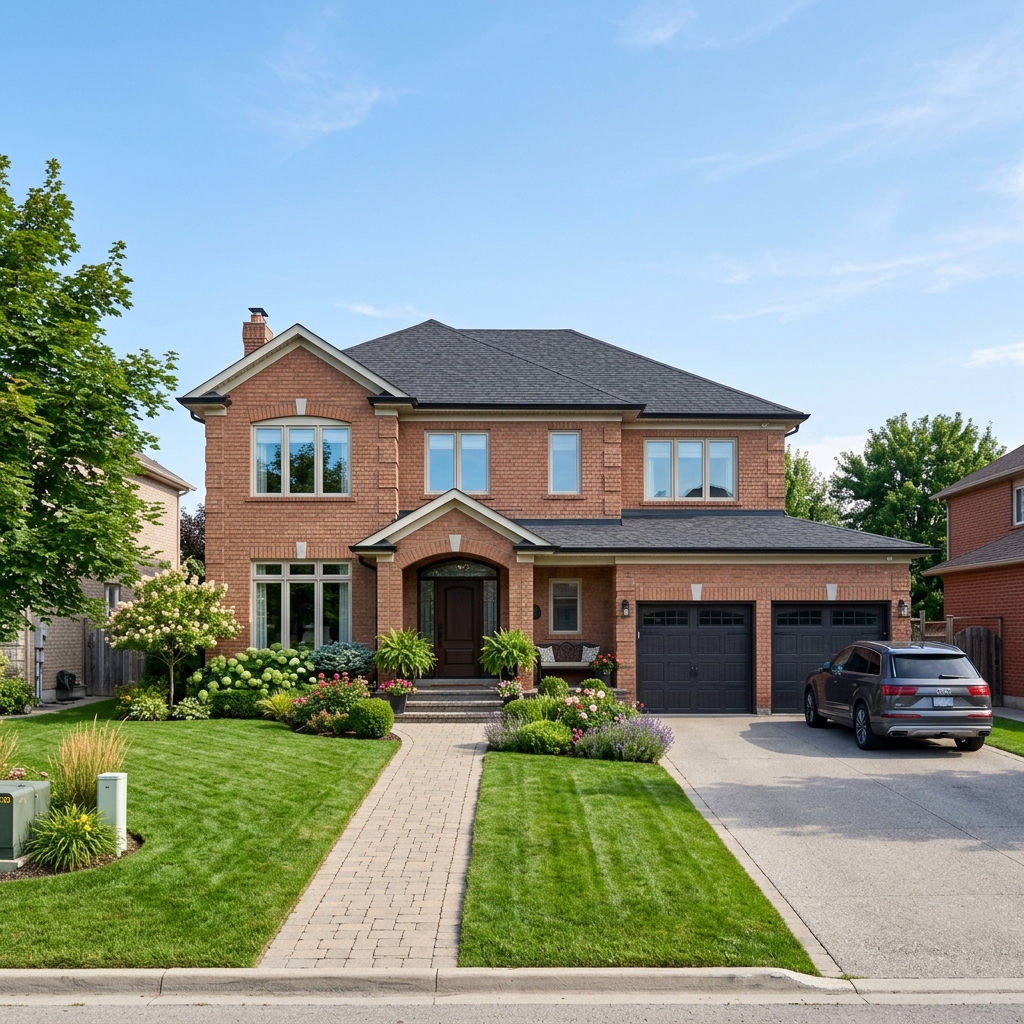
Our flagship exterior structural barrier targets the full perimeter of your home — foundations, soffits, window frames, eaves, and all entry points. Repels and eliminates spiders, ants, and crawling insects before they enter.

A comprehensive yard-level barrier applied to shaded vegetation, ornamental shrubs, deck skirting, and property borders. Reduces adult mosquito and tick populations around your outdoor living space.
SpiderShield™ perimeter barrier
SpiderShield™ creates an invisible exterior barrier that prevents more than just spiders — blocking ants, earwigs, crickets, and other seasonal crawlers from entering your home.
Wherever You Need Us
From the shores of Lake Erie to cottage-country docks — if bugs are a problem, we’re already on the way.
Genuinely Local Exterminators
Spider Squad is a family business — not a franchise, not a call centre. Our team lives in the communities we serve, which means faster scheduling, real accountability, and treatments designed for the pest pressures specific to this part of Ontario.
Don’t Wait
Same-week service available in most communities. Get a free assessment — no obligation.
Don’t Let Spiders Take Over

Tell us about your property and we’ll respond within hours to book your service. No obligation, no pressure.