Educational Profile
The German cockroach (Blattella germanica) is the most common indoor cockroach in Ontario apartments, restaurants, and dense housing. We do not service cockroaches because they require interior structural treatment outside our exterior-perimeter scope. Here is what they are, why they spread, and how to find a contractor who handles them properly.
Of the cockroach species in Ontario, the German cockroach is by far the most challenging because of its biology. The female carries the egg case (ootheca) until just before hatching rather than dropping it, which means the egg stage is mobile with the colony. The reproductive rate is high: a single female and her offspring can produce 10,000+ descendants in a year under favourable conditions. They prefer warm, humid microclimates close to food and water, which means kitchens, bathrooms, and the voids around dishwashers, refrigerators, hot water heaters, and stoves.
The species is essentially never outdoors in Ontario. They live indoors year-round, moving between adjacent units in apartment buildings via shared utility chases, plumbing penetrations, and along baseboards. This is why German cockroach problems in multi-unit buildings often require building-wide treatment to be durable; treating one unit while adjacent units are infested only resets the population temporarily.
The Ontario MECP Structural module discusses cockroach control extensively, and the consensus across the field is the same: targeted gel baiting beats broad-spectrum spraying for German cockroach control. Reasons:
The exception is severe infestations where bait alone is inadequate; in those cases an integrated program may include monitoring with sticky traps, growth regulators, dust applications in voids, and follow-up baiting over several months.
Confirming a German cockroach problem early is much easier than confirming it after the population has built up.
If you have confirmed German cockroach activity:
Why does Spider Squad not treat cockroaches?
Cockroach control is interior structural work that requires multi-visit baiting programs, monitoring, and (for apartment buildings) building-wide coordination. Our model is exterior pest control: spider, ant, mosquito, and tick perimeter treatments. We refer cockroach work to structural pest contractors who specialize in it.
Are cockroaches a health risk?
Yes, in two ways. Cockroach allergens are a documented asthma trigger, particularly in children with chronic exposure. Cockroaches also serve as mechanical vectors of pathogens (carrying bacteria from sewage and waste to food preparation surfaces) though they are not biological vectors of major human diseases in Ontario.
How quickly can a cockroach problem grow?
Fast. A single mated female German cockroach can theoretically produce 30 to 40 nymphs per egg case and several egg cases over her lifetime; nymphs reach adulthood in roughly 2 months under indoor conditions. An unaddressed problem doubles every few weeks.
Does sealing my apartment help?
Sealing food, fixing leaks, and reducing clutter all reduce the resources available to a cockroach population, slowing growth and improving the effectiveness of any treatment program. Sealing the apartment from neighbouring units is harder; cockroaches move through small voids in shared walls and utility runs.
Spider Squad - Ontario Pest Control
Same-week availability across Niagara, Hamilton, and Halton. Quotes returned within one business day.
Call 905-938-7498 Request a QuoteFind Your Region
Direct service in Niagara, Hamilton, and Halton. Licensed local operators across 14 more regions.
Premium Protection
Choose the protection barrier your property needs. Simple, professional, and guaranteed.
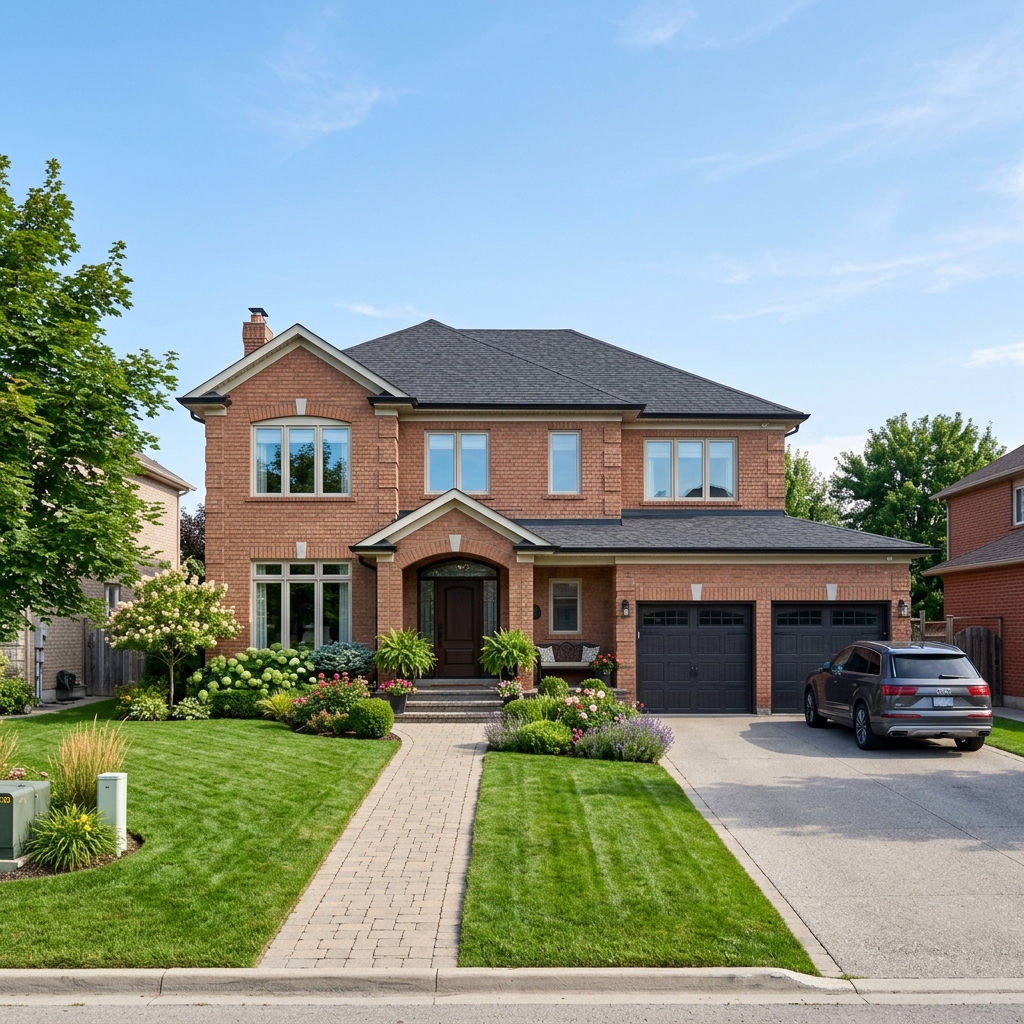
Our flagship exterior structural barrier targets the full perimeter of your home — foundations, soffits, window frames, eaves, and all entry points. Repels and eliminates spiders, ants, and crawling insects before they enter.

A comprehensive yard-level barrier applied to shaded vegetation, ornamental shrubs, deck skirting, and property borders. Reduces adult mosquito and tick populations around your outdoor living space.
SpiderShield™ perimeter barrier
SpiderShield™ creates an invisible exterior barrier that prevents more than just spiders — blocking ants, earwigs, crickets, and other seasonal crawlers from entering your home.
Wherever You Need Us
From the shores of Lake Erie to cottage-country docks — if bugs are a problem, we’re already on the way.
Genuinely Local Exterminators
Spider Squad is a family business — not a franchise, not a call centre. Our team lives in the communities we serve, which means faster scheduling, real accountability, and treatments designed for the pest pressures specific to this part of Ontario.
Don’t Wait
Same-week service available in most communities. Get a free assessment — no obligation.
Don’t Let Spiders Take Over

Tell us about your property and we’ll respond within hours to book your service. No obligation, no pressure.