Mosquitoes don't live in your lawn - they hide in it. They rest in dense vegetation, shaded shrubs, and anywhere humidity concentrates. A thorough yard treatment requires unobstructed access to every resting and breeding site. Here's how to get your yard ready so every drop counts.
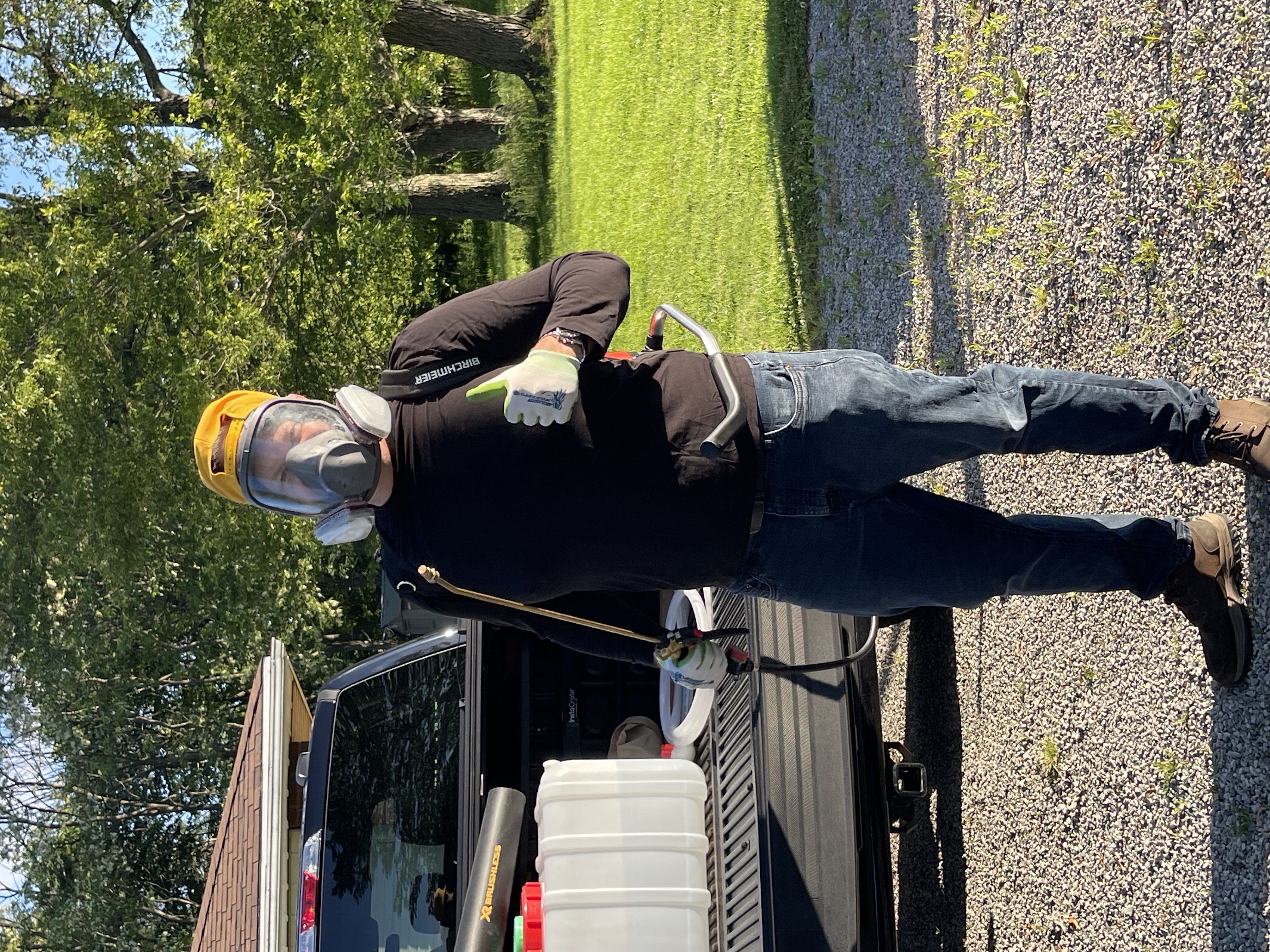
Unlike perimeter sprays for ants or spiders, mosquito treatment is a full-yard application. Our technician walks every square foot of your property targeting the foliage, shaded beds, fence lines, and damp areas where mosquitoes spend 90% of their time. Items left on the lawn don't just block coverage - they create sheltered pockets of moisture and shade where mosquitoes will continue to breed and rest.

Standing water is the other half of the equation. A single bottle cap of stagnant water can produce 300 mosquitoes in under a week. No product overcomes an active breeding site on your property. Eliminating every source of standing water before your technician arrives turns a good treatment into a great one.
Clear your entire lawn and yard of all personal items, toys, and moveable objects. Eliminate every source of standing water you can find. Mow the lawn before we arrive - shorter grass means product reaches soil level where larvae develop.
Mosquitoes rest in tall grass, especially in shaded areas. A freshly cut lawn gives product direct access to the blades and soil surface, maximising contact with resting adults. Don't mow after treatment - you'll clip treated blades and reduce effectiveness.
Ride-on toys, balls, buckets, sandboxes, water tables, and climbers should all be moved to the garage or shed before treatment. Open containers collect water. Plastic crevices hold moisture. Removing them improves coverage and protects items from unnecessary product contact.
Move chairs, loungers, ottomans, and side tables onto a hard surface like a deck or driveway. If your furniture stays in the yard, it creates shaded ground beneath it - exactly the humid, still-air pocket mosquitoes prefer. Our technician needs to treat under and around all vegetation, not around obstacles.
Walk the entire yard and tip over or empty: flowerpot saucers, buckets, watering cans, tarps with pooled water, wheelbarrows, kids' wading pools, bird baths, pet water dishes, and any decorative containers. A container doesn't need to look like a pond - even a centimetre of standing water is enough. Drill drainage holes in any containers you can't move.
Clogged gutters are one of the most overlooked mosquito breeding sites. If your gutters hold standing water or have organic debris collecting moisture, clean them before your appointment. Check that downspout extensions drain well away from the foundation and aren't pooling at the base.
Any standing water - including a dog's outdoor water bowl - is a breeding site. Move all pet dishes inside before treatment and leave them indoors for at least an hour after your technician finishes. Refill them with fresh water once the treated surfaces have dried.
Birdbaths, low bowls, decorative urns, and any garden ornament with a depression or basin should be emptied and dried or moved to the garage. Stone birdbaths can be scrubbed and left dry for the day. Refill them 24 hours after treatment once product has cured.
Mosquitoes cluster in the humid, still air inside thick ornamental shrubs - especially along fence lines and north-facing beds. If you have overgrown hedges or densely branched shrubs, our technician will treat into them but you can improve penetration by trimming any dead interior growth or tying back overhanging branches that close off the centre.
Anything fabric that's been left outside - seat cushions, throw pillows, drying laundry, hammocks - should be brought in before the technician arrives. Product drift can lightly contact fabric surfaces. Wait until treated surfaces are fully dry (usually 30–45 minutes) before returning items.
Stay indoors with pets during the treatment. Once the technician is done, wait at least 30 to 60 minutes before re-entering the yard, or until all treated surfaces are visibly dry. This is the full re-entry interval - not an estimate. Children and pets are typically the last back out, after adults have confirmed the yard is dry.
Understanding what we're targeting helps you make sure nothing is blocking those areas on treatment day.

The underside of leaves and inner stems of shrubs, ornamental grasses, hostas, hedges, and garden beds - anywhere mosquitoes rest during the day when temperatures peak. This is the primary treatment zone.
The north side of the house, fence lines, wooded edges, and any densely shaded section of the yard. These areas retain humidity and stay cool - prime resting habitat from mid-morning through late afternoon.
Low-lying turf that stays damp, downspout discharge areas, ditch edges, and any ground that doesn't dry out quickly after rain. These zones produce the most active adults and larvae.
Our mosquito treatment typically provides 3–4 weeks of protection. Heavy rainfall, especially within the first few hours of application, can reduce effectiveness. If you experience significant rain shortly after treatment, contact us - we'll assess whether a touch-up is warranted. Ongoing standing water on the property will continuously reintroduce breeding adults regardless of treatment, which is why water source elimination is so important.
Southern Ontario's mosquito season peaks from June through August. Book now and enjoy your yard all summer - no prep, no product, no problem.
Get a Free QuotePremium Protection
Choose the protection barrier your property needs. Simple, professional, and guaranteed.

Our flagship exterior structural barrier targets the full perimeter of your home — foundations, soffits, window frames, eaves, and all entry points. Repels and eliminates spiders, ants, and crawling insects before they enter.

A comprehensive yard-level barrier applied to shaded vegetation, ornamental shrubs, deck skirting, and property borders. Reduces adult mosquito and tick populations around your outdoor living space.
SpiderShield™ perimeter barrier
SpiderShield™ creates an invisible exterior barrier that prevents more than just spiders — blocking ants, earwigs, crickets, and other seasonal crawlers from entering your home.
Wherever You Need Us
From the shores of Lake Erie to cottage-country docks — if bugs are a problem, we’re already on the way.
Genuinely Local Exterminators
Spider Squad is a family business — not a franchise, not a call centre. Our team lives in the communities we serve, which means faster scheduling, real accountability, and treatments designed for the pest pressures specific to this part of Ontario.
Don’t Wait
Same-week service available in most communities. Get a free assessment — no obligation.
Don’t Let Spiders Take Over

Tell us about your property and we’ll respond within hours to book your service. No obligation, no pressure.